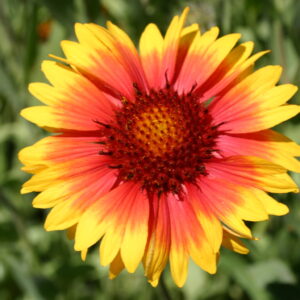


Coreopsis – Lance Leaved
$2.50 – $12.00Price range: $2.50 through $12.00
TO ORDER & SEE PRICING SCROLL DOWN
Lance-Leaved Coreopsis (Coreopsis lanceolata), also known as Tickseed, is a hardy perennial wildflower recognized for its bright yellow, daisy-like flowers and narrow, lance-shaped foliage. Plants generally grow about 18–36 inches tall, with upright stems rising from a clumping base.
Lance-Leaved Coreopsis is adaptable to a variety of soils and performs particularly well in well-drained, sandy, rocky, or relatively dry soils. It grows best in full sun, although it can tolerate light shade. Plants in heavier shade may become taller and produce fewer flowers.
The bright yellow flowers generally bloom from late spring through summer, providing a long-lasting display in meadows, prairies, roadsides, wildflower gardens, and naturalized landscapes.
Lance-Leaved Coreopsis is well suited to pollinator gardens, prairie plantings, restoration projects, meadows, roadsides, and other open landscapes. Its upright growth and bright flowers make it a useful component of mixed perennial wildflower plantings.
The flowers provide nectar and pollen for bees, butterflies, beetles, flies, and other pollinating insects.
Lance-Leaved Coreopsis is a perennial and can return for many years once established. Plants develop a stronger root system and more substantial flowering as they mature.
Native Range
Southeastern Canada and the central and eastern United States.
Lance-Leaved Coreopsis is native primarily to eastern and central North America. It has been introduced outside its native range, including in Oregon and Washington.
Pacific Northwest Planting
Lance-Leaved Coreopsis can be grown successfully in the Pacific Northwest even though it is not native to the region.
Seed can be planted in either fall or early spring. Prepare a firm, weed-free seed bed and broadcast the seed over the soil surface. Press the seed firmly into good contact with the soil.
Fall planting allows the seed to experience natural winter conditions. Early spring planting is an alternative where fall planting is not practical.
Fall Planting
Fall planting is a good option where the soil can be prepared before winter.
Sow after temperatures have cooled and fall moisture is available. Broadcast the seed evenly over the prepared area and press it firmly into the soil surface.
Avoid burying the seed deeply.
Spring Planting
Lance-Leaved Coreopsis can also be planted in early spring.
Prepare a firm seed bed and broadcast the seed directly onto the soil surface. Press it into good contact with the soil rather than covering it deeply.
Plant as early as practical while temperatures remain cool and keep competing weeds under control during establishment.
Planting in Other Regions
Lance-Leaved Coreopsis is adaptable across much of the temperate United States.
Choose a site with full sun and good drainage. It can perform well in relatively dry, sandy, rocky, or infertile soils, making it useful for sites where some other wildflowers may struggle.
In areas with hot summers, adequate moisture during establishment will help young plants develop. Once established, plants can tolerate relatively dry conditions.
Establishment & Growth
Lance-Leaved Coreopsis establishes best in a firm seed bed with limited competition from weeds and aggressive grasses.
The seed is small and should be planted from the soil surface to approximately 1/8 inch deep. Good seed-to-soil contact is important for germination.
During its first growing season, the plant may focus primarily on developing its roots and basal foliage. Established plants produce upright flowering stems and become more substantial with age.
Flowering generally occurs from late spring through summer, depending on location and growing conditions.
Allowing some flowers to mature can provide seed for natural reseeding in suitable plantings.
Choosing the Right Site
Choose a location with full sun and well-drained soil.
Lance-Leaved Coreopsis is particularly well suited to:
- Wildflower meadows
- Prairie plantings
- Pollinator gardens
- Restoration projects
- Roadsides
- Open grasslands
- Dry meadows
- Naturalized landscapes
- Rock and gravel gardens
- Mixed perennial wildflower plantings
Its upright growth makes it useful in the middle or back portions of mixed wildflower plantings.
Pollinator & Wildlife Value
Lance-Leaved Coreopsis provides nectar and pollen for a variety of pollinating insects, including native bees, bumble bees, honey bees, butterflies, beetles, and flies.
Its extended flowering period makes it a useful seasonal component of perennial pollinator plantings.
Larger Quantities
For quantities larger than those currently listed for sale, please contact us for availability and pricing.
Seeding Rates
The broadcast rate for seeding is 20–25 pounds per acre.
The seed drill rate for seeding in rows is 10 pounds per acre.
| Purchasing Options | Price | Quantity | |
|---|---|---|---|
| Small Packet | $2.50 | ||
Covers approximately 5 square feet. |
|||
| 10 Gram | $3.00 | ||
Covers approximately: |
|||
| 1/4 Pound | $12.00 | ||
Covers approximately: |
|||
| Scientific Name | Coreopsis lanceolata |
|---|---|
| Product Type | Native Flower |
| Color | Yellow |
| Cycle | Perennial |
| Origin | NW Native species, North American Native species |
| Height | 18-36" |
| Germination Time | 14-30 days |
| Planting Season | Spring, Fall |
| Bloom Season | Spring, Summer |
| Weeks to Bloom | 4 to 6 weeks |
| USDA Zone | 2 to 11 |
| Seeds Per Pound | 221,000 |
| Seeding Rate (lb./acre) | 10 |
| Pollen/Nectar | Nectar, Pollen |
| Pollinator(s) | Bumble Bees, Butterflies, Honey Bees, Native Bees |
| Notes | The Lance Leaved Coreopsis is a hardy, drought tolerant perennial |
| Light Requirement | Full Sun, Part Sun/Shade |
Related products
-
Blanketflower – Indian Perennial
Native Flower, Perennial$2.50 – $57.00Price range: $2.50 through $57.00