

Coneflower – Purple
$2.50 – $48.00Price range: $2.50 through $48.00
TO ORDER & SEE PRICING SCROLL DOWN
Purple Coneflower
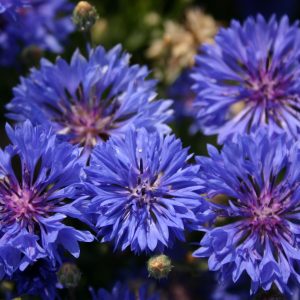
Purple Coneflower (Echinacea purpurea) is a hardy, long-lived perennial known for its attractive purple-pink flowers surrounding a prominent raised central cone. It is a popular choice for pollinator gardens, perennial borders, meadows, naturalized plantings, and cut-flower gardens.
Purple Coneflower performs best in full sun, although it can tolerate some partial shade. It is adaptable to a variety of soil types and performs best in well-drained soil. Once established, it is relatively drought tolerant and can handle heat and a wide range of growing conditions.
The flowers attract bees, butterflies, and other pollinators, while mature seed heads can provide food for birds. The sturdy stems and long-lasting flowers also make Purple Coneflower an excellent choice for cut flowers and dried arrangements.
Native Range
Purple Coneflower is native primarily to central and eastern North America. Its native range extends from Texas and Oklahoma north through the Great Plains and into parts of the Midwest and eastern United States.
Pacific Northwest Planting
Purple Coneflower can be planted in either spring or fall in the Pacific Northwest.
Spring planting is a reliable option once soil conditions are suitable. Sow seed directly into a prepared, weed-free planting area and cover lightly with soil.
Fall planting can also be successful. Sow after the heat of summer has passed and temperatures have cooled. Fall planting allows the seed to experience natural winter conditions before spring germination.
Spring Planting
Sow seed directly outdoors once the soil can be worked and conditions are suitable.
Prepare a firm, weed-free seed bed and sow the seed shallowly, covering it lightly with soil. Keep the planting area consistently moist during germination and early establishment.
Purple Coneflower does not require special seed treatment for spring planting, although exposure to natural winter conditions can also be beneficial for germination.
Fall Planting
Fall planting is a good option for Purple Coneflower.
Sow after temperatures have cooled and the hottest part of summer has passed. Cover the seed lightly and provide moisture if fall conditions are dry.
Fall planting allows the seed to experience natural winter conditions before spring germination.
Planting in Other Regions
Purple Coneflower is adaptable to a wide range of climates and is generally suited to USDA Zones 3–9.
In colder regions, spring planting is a reliable option once the soil can be worked. Fall planting can also be successful where the seed can experience normal winter conditions.
In warmer regions, fall and winter planting can be particularly useful, while spring planting should be timed for cooler conditions.
Regardless of region, choose a well-drained planting site and avoid areas that remain saturated for extended periods.
Establishment & Long-Term Growth
Purple Coneflower is a perennial and may take time to develop a strong root system and mature clumps.
Do not expect every plant to produce a large display during the first growing season. Some plants may flower during the first year under favorable conditions, while others will spend more time establishing before producing their best flowering display.
Once established, Purple Coneflower can provide years of dependable summer color with relatively little maintenance.
Choosing the Right Site
Choose a location with full sun and well-drained soil. Purple Coneflower is adaptable to different soil types but generally performs best where excess water can drain away.
It is especially useful for pollinator gardens, perennial borders, meadows, naturalized plantings, wildlife gardens, and cut-flower gardens.
Larger Quantities
For quantities larger than those currently listed for sale, please contact us for availability and pricing.
Seeding Rates
Broadcast seeding rate: 8–10 pounds per acre
Seed drill rate: 4 pounds per acre
| Purchasing Options | Price | Quantity | |
|---|---|---|---|
| Small Packet | $2.50 | ||
Covers approximately 5 square feet. |
|||
| 10 Gram | $3.00 | ||
Covers approximately: |
|||
| 1/4 Pound | $12.00 | ||
Covers approximately: |
|||
| 1 Pound | $48.00 | ||
Covers approximately: |
|||
| Scientific Name | Echinacea purpurea |
|---|---|
| Product Type | Native Flower |
| Color | Purple |
| Cycle | Perennial |
| Origin | North American Native species |
| Height | 24-36" |
| Germination Time | 10-15 days |
| Planting Season | Spring, Fall |
| Bloom Season | Summer |
| Weeks to Bloom | 5 to 7 weeks |
| USDA Zone | 3 to 8 |
| Seeds Per Pound | 115,700 |
| Seeding Rate (lb./acre) | 20 |
| Pollen/Nectar | Nectar, Pollen |
| Pollinator(s) | Bumble Bees, Butterflies, Honey Bees, Native Bees |
| Notes | It will draw the interest of Bees & birds and butterflies |
| Light Requirement | Full Sun, Part Sun/Shade |
Related products
-
Calendula – Pacific Beauty Mix
Flower, Flower Mix, Herb, Annual$2.50 – $36.40Price range: $2.50 through $36.40