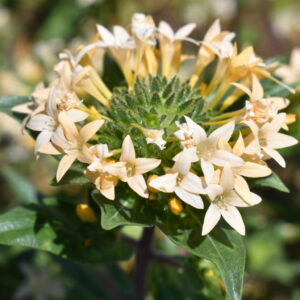


Rose Checker Mallow
$2.50 – $465.00Price range: $2.50 through $465.00
TO ORDER & SEE PRICING SCROLL DOWN
Rose Checker Mallow (Sidalcea virgata) is a native perennial wildflower in the mallow family, known for its upright flowering stems and showy pink to magenta flowers. Plants generally grow about 8–40 inches tall, depending on growing conditions.
Rose Checker Mallow grows well in full sun to partial shade and is adaptable to a range of soils, including clay. It can grow in both seasonally moist and relatively dry sites and becomes fairly drought tolerant once established.
This species is well suited to native prairies, meadows, restoration projects, pollinator gardens, grassy hillsides, roadsides, woodland edges, and naturalized landscapes. Its upright form adds color and structure to mixed native plantings.
The flowers provide nectar and pollen for bees, butterflies, and other beneficial insects. Rose Checker Mallow is an important nectar source for Fender’s blue butterfly and also supports the specialist native bee Diadasia nigrifrons.
Rose Checker Mallow is a perennial that can return for many years once established. Plants typically flower from late spring into summer, with blooming generally occurring from May through June and potentially extending later under favorable conditions.
Native Range
Oregon and southwestern Washington.
Rose Checker Mallow is primarily associated with western Oregon, including the Willamette Valley and surrounding inland valleys and foothills. It occurs in prairies, meadows, grassy hillsides, roadsides, and other open habitats.
Pacific Northwest Planting
Fall is the preferred planting season for Rose Checker Mallow in the Pacific Northwest.
Prepare a firm, weed-free seed bed and broadcast the seed over the soil surface. Press it firmly into good contact with the soil rather than burying it deeply.
Fall planting allows the seed to experience natural winter conditions before spring growth.
Fall Planting
Sow after temperatures have cooled and fall moisture is available. Broadcast the seed evenly over the prepared planting area and press it into the soil surface.
Keep competing weeds and aggressive grasses under control while plants become established.
Spring Planting
Rose Checker Mallow can also be seeded in early spring.
Prepare a firm, weed-free seed bed and sow the seed shallowly. Press it into good soil contact and avoid deep burial.
Early spring planting gives young plants access to spring moisture while temperatures remain moderate.
Planting in Other Regions
Rose Checker Mallow is best suited to climates with cool, moist winters and moderate spring and summer conditions.
It can tolerate summer dryness once established, although plants generally flower longer when adequate moisture is available during the growing season.
Establishment & Growth
Rose Checker Mallow establishes from seed and develops into a long-lived perennial.
Plants produce upright flowering stems above basal foliage and generally bloom from late spring into summer. Good weed control during establishment is important because young plants can be outcompeted by aggressive grasses and other vegetation.
Choosing the Right Site
Choose a location with full sun to partial shade and soil that drains well while providing adequate moisture during the growing season.
Rose Checker Mallow is particularly well suited to:
- Native prairie plantings
- Wildflower meadows
- Restoration projects
- Pollinator gardens
- Grassy hillsides
- Woodland edges
- Roadsides
- Naturalized landscapes
- Native perennial gardens
- Mixed native wildflower plantings
Pollinator & Wildlife Value
Rose Checker Mallow is an important native pollinator plant. Its flowers attract bees, butterflies, and other beneficial insects.
It is one of the important nectar sources used by the endangered Fender’s blue butterfly and is also a host plant for skipper butterflies. The specialist native bee Diadasia nigrifrons is closely associated with Sidalcea species in the Willamette Valley.
Larger Quantities
For quantities larger than those currently listed for sale, please contact us for availability and pricing.
Seeding Rates
The broadcast rate for seeding is 20–25 pounds per acre.
The seed drill rate for seeding in rows is 10 pounds per acre.
| Purchasing Options | Price | Quantity | |
|---|---|---|---|
| Small Packet | $2.50 | ||
Covers approximately 5 square feet. |
|||
| 5 Gram | $3.00 | ||
Covers approximately: |
|||
| 1/32 Pound | $12.00 | ||
Covers approximately: |
|||
| 1 Pound | $465.00 | ||
Covers approximately: |
|||
| Scientific Name | Sidalcea virgata |
|---|---|
| Product Type | Native Flower |
| Color | Purple |
| Cycle | Perennial |
| Origin | NW Native species |
| Height | 24-36" |
| Bloom Season | Spring |
| Weeks to Bloom | 4 to 6 weeks |
| USDA Zone | 7 to 10 |
| Seeds Per Pound | 75,000 |
| Seeding Rate (lb./acre) | 10 |
| Pollen/Nectar | Pollen |
| Pollinator(s) | Beneficial Insects, Butterflies |
| Planting Season | Fall |
Related products
-
Lupine – Small Flowered Bi-Color
Native Flower, Perennial$2.50 – $294.95Price range: $2.50 through $294.95