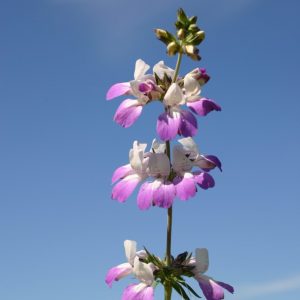


Candytuft – Dwarf Fairy Mix
$2.50 – $23.50Price range: $2.50 through $23.50
TO ORDER & SEE PRICING SCROLL DOWN
Candytuft ‘Dwarf Fairy Mix’ (Iberis umbellata) is a charming annual flower known for its compact growth and clusters of delicate blooms in shades of pink, lavender, purple, and white. This dwarf mix forms neat, rounded plants that generally grow about 10 inches tall, making it well suited to flower gardens, borders, rock gardens, containers, cottage gardens, and smaller planting spaces.
Candytuft is a hardy, easy-to-grow annual that performs well in full sun to partial shade. It is particularly well suited to well-drained soils and can tolerate poorer soils than many garden flowers. The compact growth habit and soft colors make Dwarf Fairy Mix an attractive choice for edging, low-growing flower beds, and mixed plantings.
Candytuft is an introduced species in North America and is native to southern Europe. It is commonly found growing in open fields and along roadsides and is well adapted to the lime-rich and chalky soils of the Mediterranean region and parts of western and central Europe.
Pacific Northwest Planting
Candytuft can be planted in both fall and spring in the Pacific Northwest. Fall planting can be useful in areas with mild winters, allowing plants to establish during cooler weather and produce earlier flowers the following growing season.
Fall Planting
Fall planting is recommended in areas with mild winter conditions. Sow after temperatures have cooled enough to prevent premature germination.
In western Oregon and other areas with suitable winter conditions, fall-planted Candytuft can establish before winter and resume growth as temperatures rise in late winter and spring.
Spring Planting
Spring planting is a reliable option throughout the Pacific Northwest once soil conditions are suitable.
Sow directly into a prepared seed bed and provide good seed-to-soil contact. Candytuft can also be started indoors and transplanted before flowering begins.
Planting in Other Regions
Candytuft is adaptable to a wide range of climates and is listed for USDA Zones 3–9. It can be planted in spring or fall depending on local growing conditions.
In colder regions, spring planting is generally the most reliable option. In areas with mild winters, fall planting can allow plants to establish during cooler weather and bloom earlier the following season.
In warmer regions, fall planting can be particularly useful because Candytuft prefers cooler growing conditions. In hot climates, planting where plants receive some afternoon shade can help reduce heat stress.
For detailed information on site preparation, seeding methods, planting depth, and general planting practices, see our Planting Directions page.
Establishment & Growth
Candytuft is an annual that establishes readily from seed and generally grows to about 10 inches tall. Dwarf Fairy Mix produces compact, rounded plants covered with clusters of small flowers in pink, lavender, purple, and white.
Candytuft generally blooms approximately 7–8 weeks after planting, with flowering occurring primarily during summer and fall depending on planting date and growing conditions.
For best results, provide well-drained soil and good seed-to-soil contact. Seeds may be started indoors, but plants should be transplanted before blooming begins to encourage stronger establishment.
The small seeds can be difficult to distribute evenly when broadcast. Mixing the seed with a filler such as sand or fine potting soil can help distribute the seed more evenly over the planting area.
Pollinator & Wildlife Value
Candytuft flowers provide pollen and nectar for flower-visiting insects. The flowers can attract butterflies, honey bees, native bees, and other pollinators during the flowering season.
Larger Quantities
For quantities larger than those currently listed for sale, please contact us for availability and pricing.
Seeding Rates
The broadcast rate for seeding is 30–37.5 pounds per acre.
The seed drill rate for seeding in rows is 15 pounds per acre.
| Purchasing Options | Price | Quantity | |
|---|---|---|---|
| Small Packet | $2.50 | ||
Covers approximately: |
|||
| 10 Gram | $3.00 | ||
Covers approximately: |
|||
| 1/4 Pound | $12.00 | ||
Covers approximately: |
|||
| 1 Pound | $23.50 | ||
Covers approximately: |
|||
| Scientific Name | Iberis umbellata |
|---|---|
| Product Type | Flower, Flower Mix |
| Cycle | Annual |
| Color | Pink, Purple, White |
| Height | 10" |
| Light Requirement | Full Sun, Part Sun/Shade |
| Germination Time | 20-30 days |
| Weeks to Bloom | 7 to 8 weeks |
| USDA Zone | 3 to 9 |
| Origin | Introduced species |
| Planting Season | Spring, Fall |
| Bloom Season | Summer, Fall |
| Seeds Per Pound | 200,000 |
| Pollen/Nectar | Nectar, Pollen |
| Pollinator(s) | Bats, Birds, Butterflies, Honey Bees, Native Bees |
| Seeding Rate (lb./acre) | 15 |
| Notes | You may want to add a filler such as sand or potting soil with your seeds before planting to help spread them more evenly and cover more area |
You may also like…


Related products
-
Bachelor Button – Dwarf Polka Dot Mix
Flower, Flower Mix, Herb, Annual$2.50 – $22.14Price range: $2.50 through $22.14