










Cascade Kaleidoscope Mix
$2.50 – $270.00Price range: $2.50 through $270.00
TO ORDER & SEE PRICING SCROLL DOWN
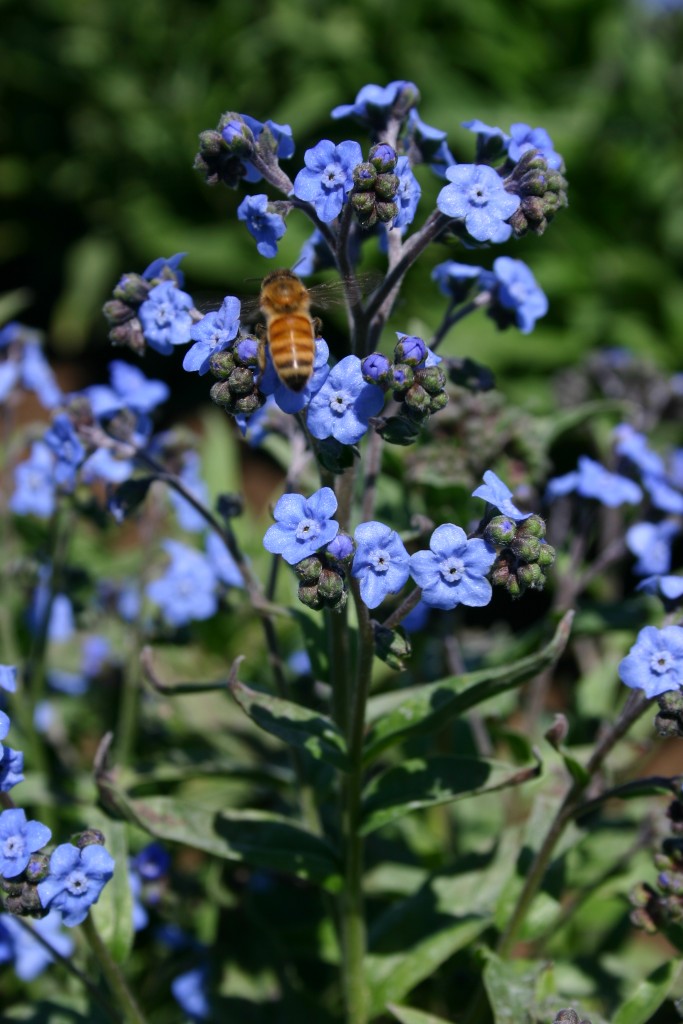
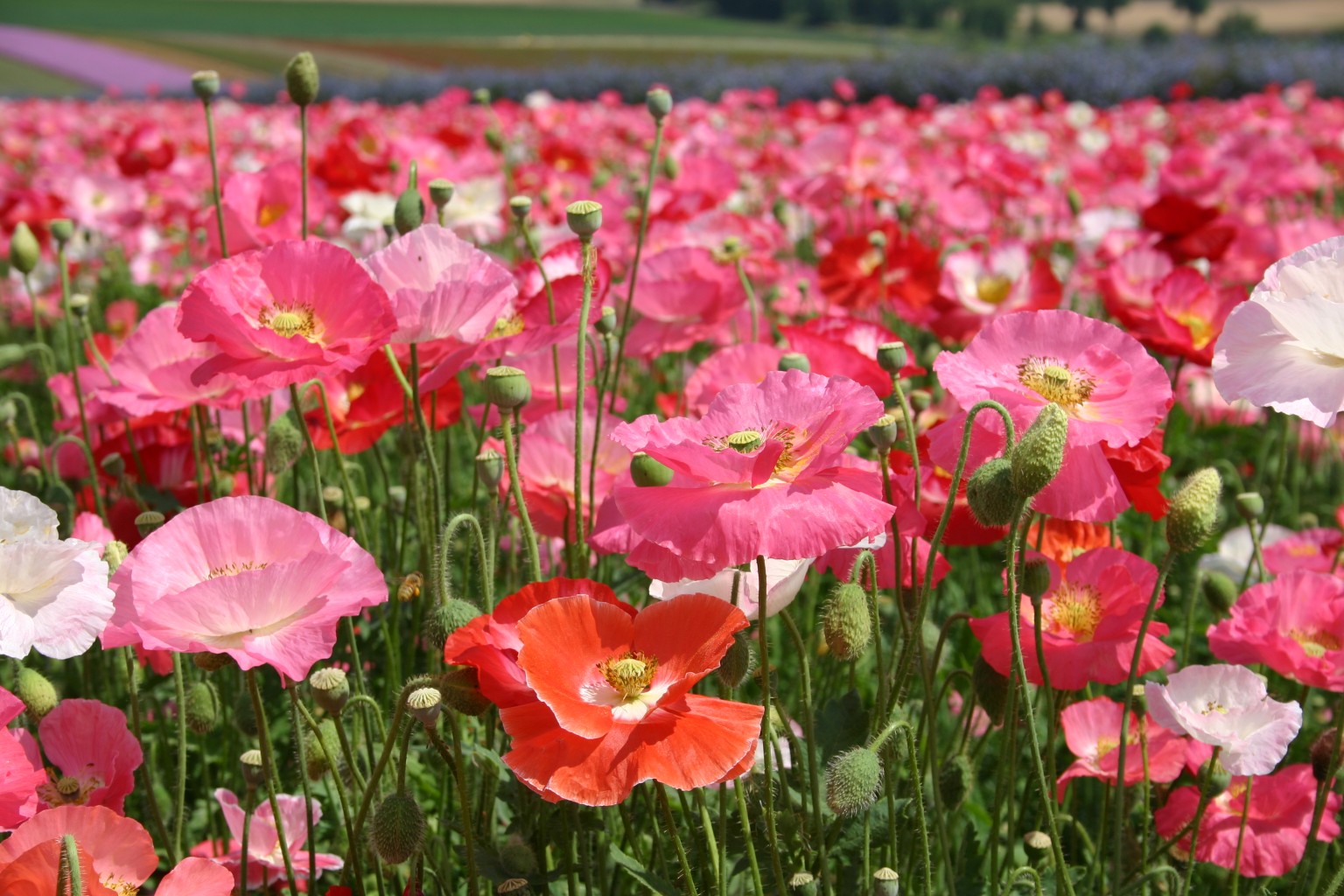
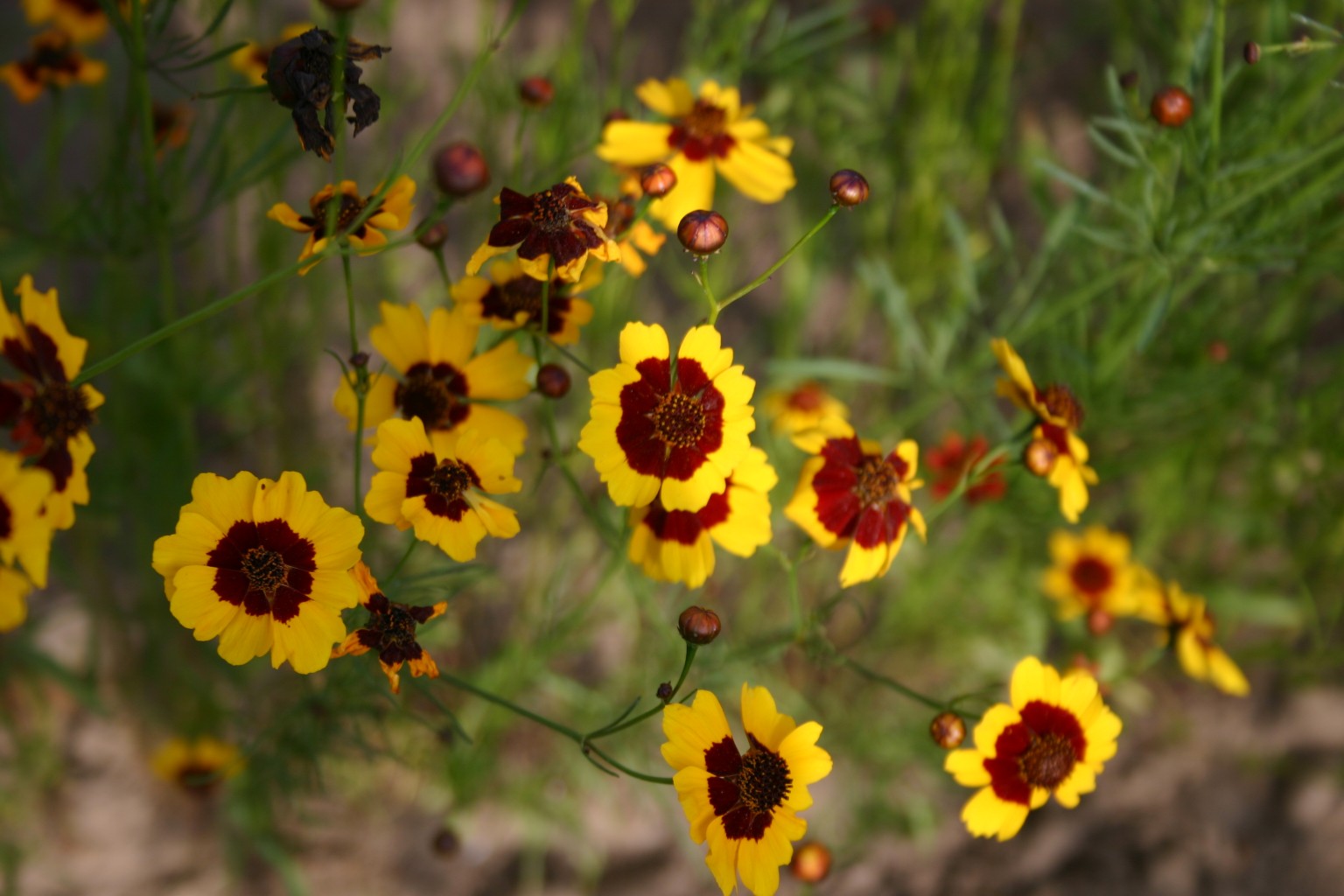
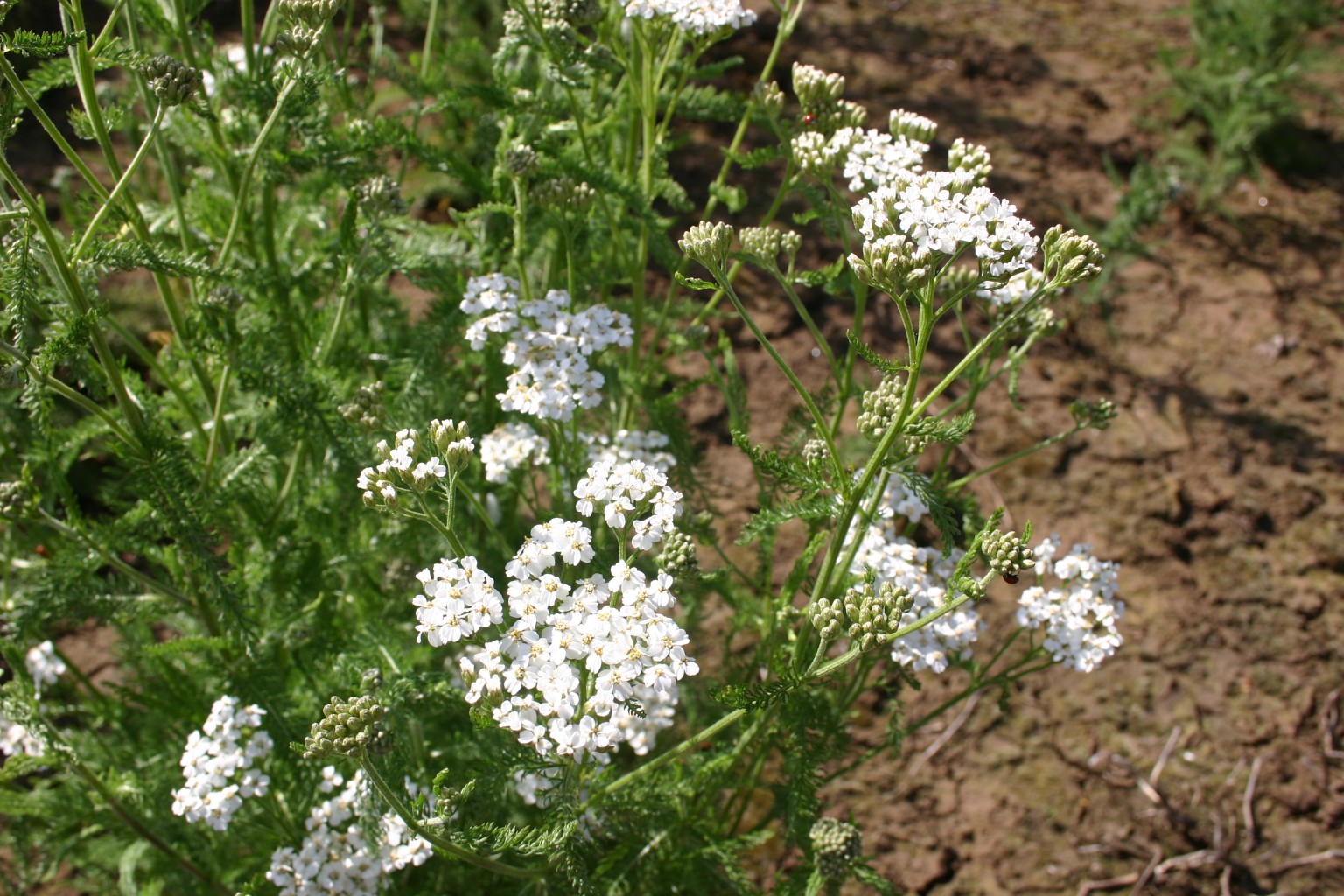
The Cascade Kaleidoscope Mix has over 30 different species of annual and perennial flowers. Cascade Kaleidoscope Mix offers a wide range of different colors and shapes that will blend excellently with any garden. This mix is designed to have a longer bloom time, a broader adaptation to different soil compositions and climates and more color. Since Cascade Kaleidoscope Mix is composed of a broad diversity of species, it works well as a test plot to help individuals decide on which flowers, they prefer to replant the following year. If you are not sure what you want to purchase but want a lot of variety and color this is a great mix to choose.
Ingredients: Calendula Fancy Mix (A), Chinese Forget-Me-Not – Blue (A), Bachelor Button – Dwarf Polka Dot Mix (A), Cosmos – bip Sensation Mix (A), Daisy – African Mix (A), Baby’s Breath – Covent Garden White (A), Flax – Scarlet (A), Larkspur – Rocket Mix (A), Candytuft – Dwarf Fairy Mix (A), Clarkia – Mountain Garland Mix (A), Alyssum – Sweet Tall White (A), Black-Eyed Susan (P), Catchfly (A), Phacelia – Bluebell California (A), Godetia – Dwarf Single Mix (A), Poppy – Shirley Single Mix (A), Toadflax – Northern Lights Mix (A), Poppy California Double Mix (A), Primrose – Evening (P), Flax – Blue (P), Phlox – Mountain (A), Blanketflower- Indian Perennial (P), Gilia – Globe (A), Coreopsis Plains Tall (A), Baby Blue Eyes (A), Wallflower – Siberian (B), Chinese Houses (A), Coreopsis – Lance Leaved (P), Five Spot (A), Gilia – Bird’s Eye(A), Rose Mallow – Dwarf Mix (A), Love-In-A-Mist – Mix (A), Daisy – Painted Mix (A), Tidy Tips (A), Yarrow – Western (P), Lupine – Russell Lupine Mix (P)
A = Annual / B= Biannual / P = Perennial
*Note: Ingredients may vary depending on seed availability.
Planting Information
Cascade Kaleidoscope Mix contains a diverse selection of flowers with different growing habits, temperature preferences, and bloom times. With proper site preparation and favorable growing conditions, this mix can create a colorful, informal flower planting that changes and develops from year to year.
When to Plant
Cascade Kaleidoscope Mix can generally be planted in spring or fall, depending on your region and local growing conditions.
- Pacific Northwest: Plant in spring when the soil is workable and temperatures are warming, or in fall when conditions favor fall or dormant seeding.
- Midwest: Plant in spring once the soil has thawed and is workable, or in fall when conditions are appropriate for dormant seeding before winter.
- East Coast: Plant in spring when the soil is workable and temperatures are warming, or in fall when conditions are suitable for fall or dormant seeding.
- Southern United States: Plant during cooler periods when temperatures and moisture conditions are favorable for germination and establishment. Fall and winter planting may be suitable in many areas, depending on local climate.
These are general guidelines. Local climate, soil conditions, and seasonal weather will influence the best planting time for your location.
Important Planting Considerations
Cascade Kaleidoscope Mix contains flowers with different growing habits and temperature preferences. Some species are cool-season flowers that perform best during cooler weather and may struggle during periods of intense heat and high humidity. In warmer regions, these flowers may perform better when planted during a cooler growing season. Partial shade during the hottest part of the day may help reduce heat stress for some species, although many flowers in this mix perform best in full sun.
Other species, such as cosmos, generally prefer warmer growing conditions and are best planted in spring after the danger of frost has passed in colder regions. Fall planting may favor some species while others may establish less successfully or emerge at different times.
Because this mix contains both cool-season and warm-season flowers, not every species will perform equally well under the same conditions. Spring and fall plantings may produce different results, and the variety and abundance of flowers may vary depending on planting time, climate, and growing conditions.
For the best overall results, choose a planting time that provides favorable conditions for the greatest number of species in your region.
Site Preparation
Choose a location with good sunlight and well-drained soil. Most flowers in this mix perform best in full sun with limited competition from weeds and existing vegetation.
Before planting:
- Remove existing weeds, grass, and unwanted vegetation.
- Lightly loosen the top 2–4 inches of soil.
- Rake the surface to create a fine, firm seedbed.
- Avoid deep tilling, which can bring additional weed seeds to the surface.
Good site preparation helps reduce competition and gives the flowers a better chance to establish successfully.
For broadcast planting, distribute the seed as evenly as possible over the prepared soil. For more uniform coverage, divide the seed into two portions and spread them in opposite directions.
After broadcasting, lightly rake or press the seed into contact with the soil. Avoid burying the seed too deeply, as many flower seeds require shallow coverage to germinate.
Watering and Germination
Keep the soil consistently moist during germination and early establishment if rainfall is insufficient. Avoid allowing the soil to dry out completely during this period, but do not keep the planting area waterlogged.
Germination times will vary among species. Some flowers may emerge quickly, while others take longer to germinate or establish. Allow time for slower-emerging species before assuming they have failed.
Once established, watering needs will vary according to the species, soil type, and local climate.
What to Expect
Cascade Kaleidoscope Mix contains a greater proportion of annual flowers than perennial flowers. Annuals typically grow, flower, produce seed, and complete their life cycle within one growing season. Biennials and perennials may take longer to establish or flower.
The mix is designed to provide variety, but the timing and abundance of blooms will depend on growing conditions. Not all species will flower at the same time, and some may be more successful than others in a particular location.
Over time, the mix may change in appearance as different flowers establish, compete, and reseed at different rates.
Will the Flowers Come Back Next Year?
Many annual flowers can reseed themselves if they are allowed to mature and drop their seeds onto the soil at the end of the growing season. When conditions are favorable, some flowers may return the following year without replanting.
For the best chance of natural reseeding, allow some flowers to finish blooming and develop mature seed heads before removing or cutting back the plants.
Reseeding success depends on the species, weather, soil conditions, moisture, and competition from other plants. Some flowers may return abundantly, while others may not reappear. Perennial flowers may return for multiple years once established, depending on their growing requirements and local conditions.
Additional Notes
- Seasonal variation: Spring and fall plantings may produce different results because the flowers in the mix have different temperature and growing requirements.
- Regional adaptation: A species that performs well in one region may be less successful in another, particularly where summer heat, humidity, winter cold, or soil conditions differ.
- Cool-season flowers: Some species may perform best during cooler weather and may decline during prolonged heat or high humidity.
- Annual reseeding: Allowing flowers to mature and drop seed may encourage natural reseeding, but regrowth is not guaranteed.
- Changing flower composition: The balance of colors and species may change from year to year as some flowers reseed or establish more readily than others.
- Ingredient availability: Ingredient varieties and proportions may vary depending on seed availability.
For quantities larger than those listed for sale, please contact Silver Falls Seed Company for availability and pricing.
Seeding Rates
- Broadcast seeding: 20–25 pounds per acre
- Seed drill (row seeding): 10 pounds per acre
| Purchasing Options | Price | Quantity | |
|---|---|---|---|
| Small Packet | $2.50 | ||
Covers approximately: |
|||
| 10 Gram | $3.75 | ||
Covers approximately: |
|||
| 1/4 Pound | $12.00 | ||
Covers approximately: |
|||
| 1/4 Pound Shaker | $14.00 | ||
Covers approximately: |
|||
| 1 Pound | $30.50 | ||
Covers approximately: |
|||
| 5 Pound | $135.00 | ||
Covers approximately: |
|||
| 10 Pound Bag | $270.00 | ||
Covers approximately: |
|||
| Product Type | Flower Mix |
|---|---|
| Color | Blue, Orange, Pink, Purple, Red, White, Yellow |
| Height | 6-48" |
| Planting Season | Spring |
| Bloom Season | Spring, Summer, Fall |
| Seeds Per Pound | 200,439 |
| Seeding Rate (lb./acre) | 10 |
Related products
-
Toadflax – Northern Lights Mix
Flower, Flower Mix, Annual$2.50 – $48.75Price range: $2.50 through $48.75 -
Cosmos – Bipinnatus Sensation Mix
Flower, Flower Mix, Annual$2.50 – $26.25Price range: $2.50 through $26.25


