

Five Spot
$2.50 – $43.50Price range: $2.50 through $43.50
TO ORDER & SEE PRICING SCROLL DOWN
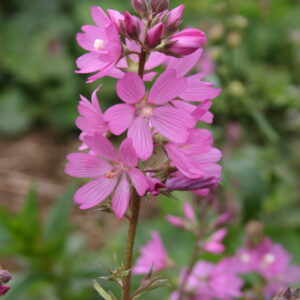
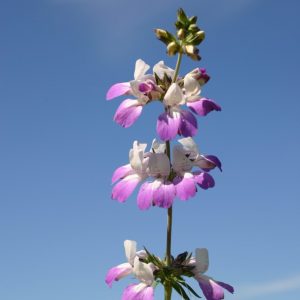
Five Spot (Nemophila maculata) is a charming, low-growing, cool-season annual known for its distinctive white, bowl-shaped flowers marked with purple or blue spots at the tips of each petal. The five-spotted flowers give this wildflower its common name. Plants generally grow 6–12 inches tall and form low, spreading mounds with delicate, finely divided foliage.
Five Spot grows best in cool, moist, well-drained soil and performs well in full sun to partial shade. In cooler climates, it can tolerate more direct sun, while afternoon shade or filtered light is beneficial in warmer areas. Consistent moisture during the growing season supports the best growth and flowering.
Five Spot is well suited to wildflower meadows, garden borders, rock gardens, containers, hanging baskets, woodland edges, and naturalized plantings. Its compact growth habit makes it especially useful where a shorter annual wildflower is desired.
The flowers provide pollen and nectar for bees and other pollinating insects. Its early spring flowering period makes it a useful addition to diverse pollinator and wildflower plantings.
Five Spot is an annual and completes its life cycle within one growing season. After flowering, plants produce seed and die back. Under favorable conditions, seed can fall naturally and produce new plants in subsequent years.
Native Range
California.
Five Spot is considered a California native and is described by the USDA Forest Service as endemic to California. It naturally occurs in a variety of open and woodland habitats, particularly in foothill regions.
Pacific Northwest Planting
Although Five Spot is native to California rather than the Pacific Northwest, it can be grown successfully as an annual in Pacific Northwest gardens and wildflower plantings.
For Oregon, Washington, and similar climates, seed can be planted in either fall or early spring. Fall planting is generally preferred in areas with relatively mild winters.
Prepare a firm, weed-free planting area and broadcast the seed over the soil surface. Press the seed firmly into good contact with the soil rather than burying it deeply.
Fall Planting
Fall planting works well in areas with relatively mild winters.
Sow after temperatures have cooled and fall moisture is available. Broadcast the seed evenly over the prepared soil and press it firmly into the surface.
Fall sowing allows the seed to experience natural winter conditions and take advantage of spring moisture when growth begins.
Choose a well-drained location and avoid areas where water remains standing for extended periods.
Spring Planting
Early spring is a good alternative in colder climates or where fall planting is not practical.
Sow as early as soil conditions allow while temperatures remain cool. Broadcast the seed directly onto the soil surface and press it firmly into good contact with the soil.
Keep the planting area adequately moist during germination and early growth.
Planting in Other Regions
Five Spot is best suited to areas with cool to moderate spring growing conditions.
In regions with mild winters, fall planting is generally preferred. In colder climates, early spring planting is recommended.
In warmer areas, select a location with morning sun, filtered light, or afternoon shade. Avoid sites exposed to prolonged heat and drought, as Five Spot performs best with adequate moisture during its growing season.
Establishment & Growth
Five Spot establishes best in a firm, weed-free seed bed. Because the seed should be planted shallowly, good seed-to-soil contact is more important than covering the seed with soil.
Keep competing weeds and aggressive grasses under control while plants are establishing.
Plants develop into low, spreading mounds and generally flower from early spring into late spring. In regions such as Oregon and northern California, flowering is typically concentrated during the spring before summer heat becomes established.
After flowering, plants produce seed and complete their life cycle. Allowing some plants to mature and drop seed can encourage natural reseeding in suitable plantings.
Choosing the Right Site
Choose a location with full sun to partial shade and well-drained soil.
Five Spot is particularly well suited to:
- Wildflower meadows
- Garden borders
- Rock gardens
- Containers
- Hanging baskets
- Naturalized plantings
- Woodland edges
- Partially shaded gardens
- Cool-season wildflower plantings
- Mixed annual wildflower gardens
In cooler climates, more direct sun can be used. In warmer climates, afternoon shade or filtered light is preferred.
Pollinator & Wildlife Value
Five Spot provides pollen and nectar for bees and other pollinating insects.
Its early-season flowers can help provide floral resources before many later-blooming wildflowers are in flower, making it a useful component of diverse pollinator plantings.
Larger Quantities
For quantities larger than those currently listed for sale, please contact us for availability and pricing.
Seeding Rates
The broadcast rate for seeding is 40–50 pounds per acre.
The seed drill rate for seeding in rows is 20 pounds per acre.
| Purchasing Options | Price | Quantity | |
|---|---|---|---|
| Small Packet | $2.50 | ||
Covers approximately 5 square feet. |
|||
| 10 Gram | $3.00 | ||
Covers approximately: |
|||
| 1/4 Pound | $12.00 | ||
Covers approximately: |
|||
| 1 Pound | $43.50 | ||
Covers approximately: |
|||
| Scientific Name | Nemophila maculata |
|---|---|
| Product Type | Native Flower |
| Color | Purple, White |
| Cycle | Annual |
| Origin | NW Native species, North American Native species |
| Height | 6-12" |
| Germination Time | 7-30 days |
| Planting Season | Spring, Fall |
| Bloom Season | Spring |
| Weeks to Bloom | 6 to 7 weeks |
| USDA Zone | 3 to 9 |
| Seeds Per Pound | 87,000 |
| Seeding Rate (lb./acre) | 20 |
| Pollen/Nectar | Nectar, Pollen |
| Pollinator(s) | Birds, Butterflies, Honey Bees |
| Notes | It blooms from early spring until the end of May |
| Light Requirement | Full Sun, Part Sun/Shade |
Related products
-
Northwest Grassland Economy Mix
Native Grass Mix, Perennial$2.50 – $135.00Price range: $2.50 through $135.00