


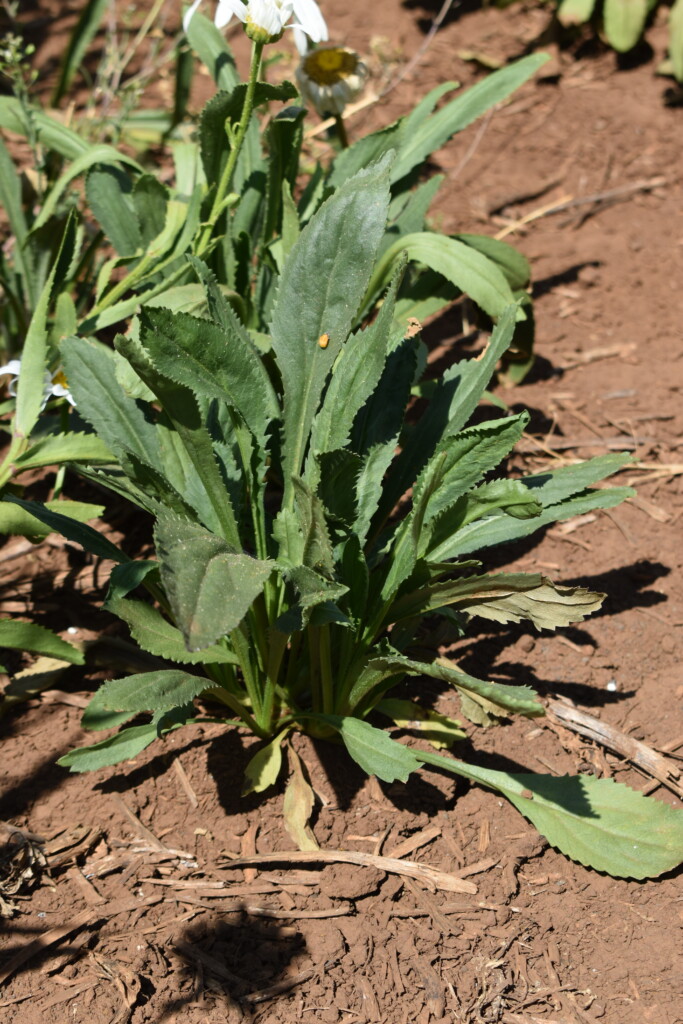
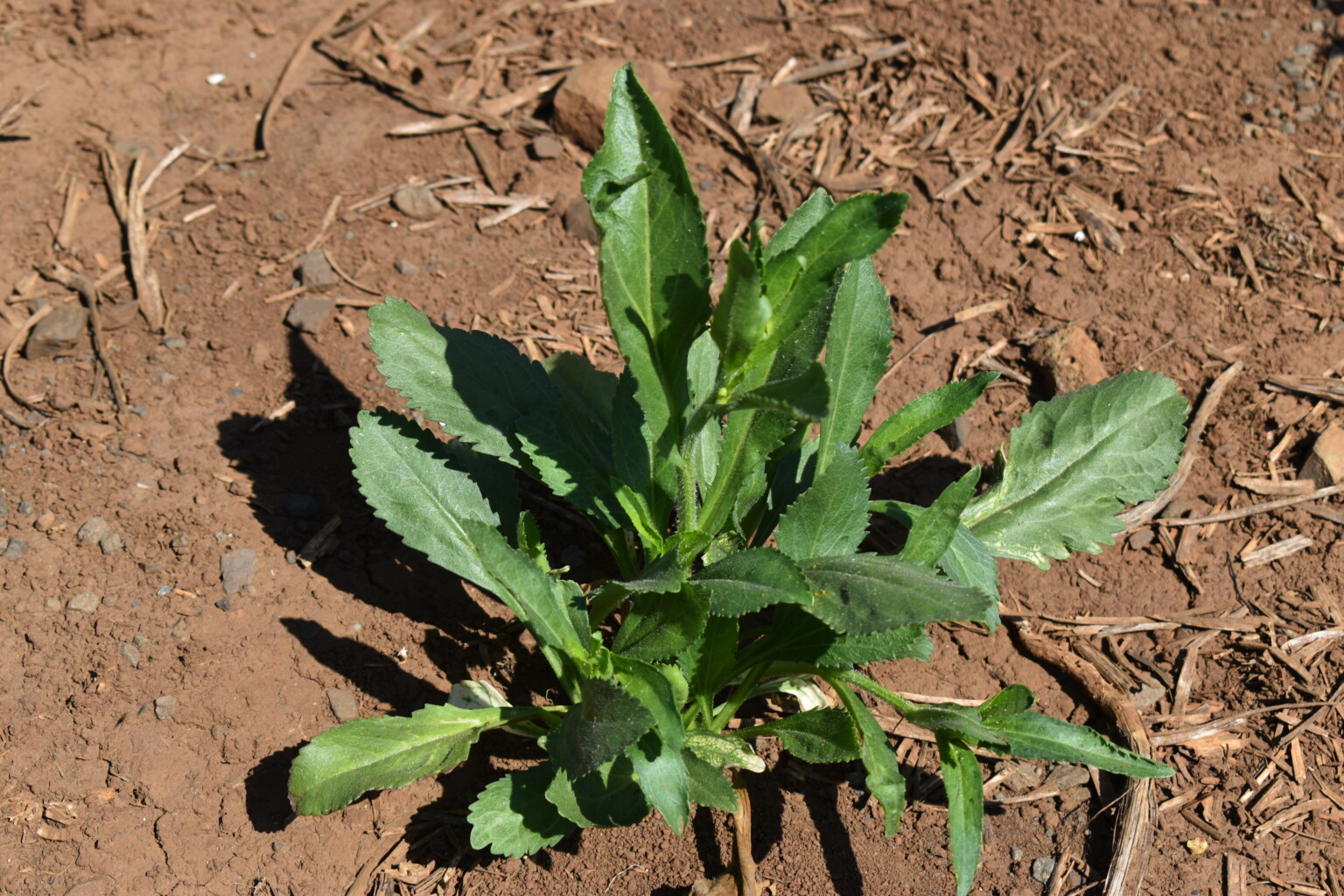
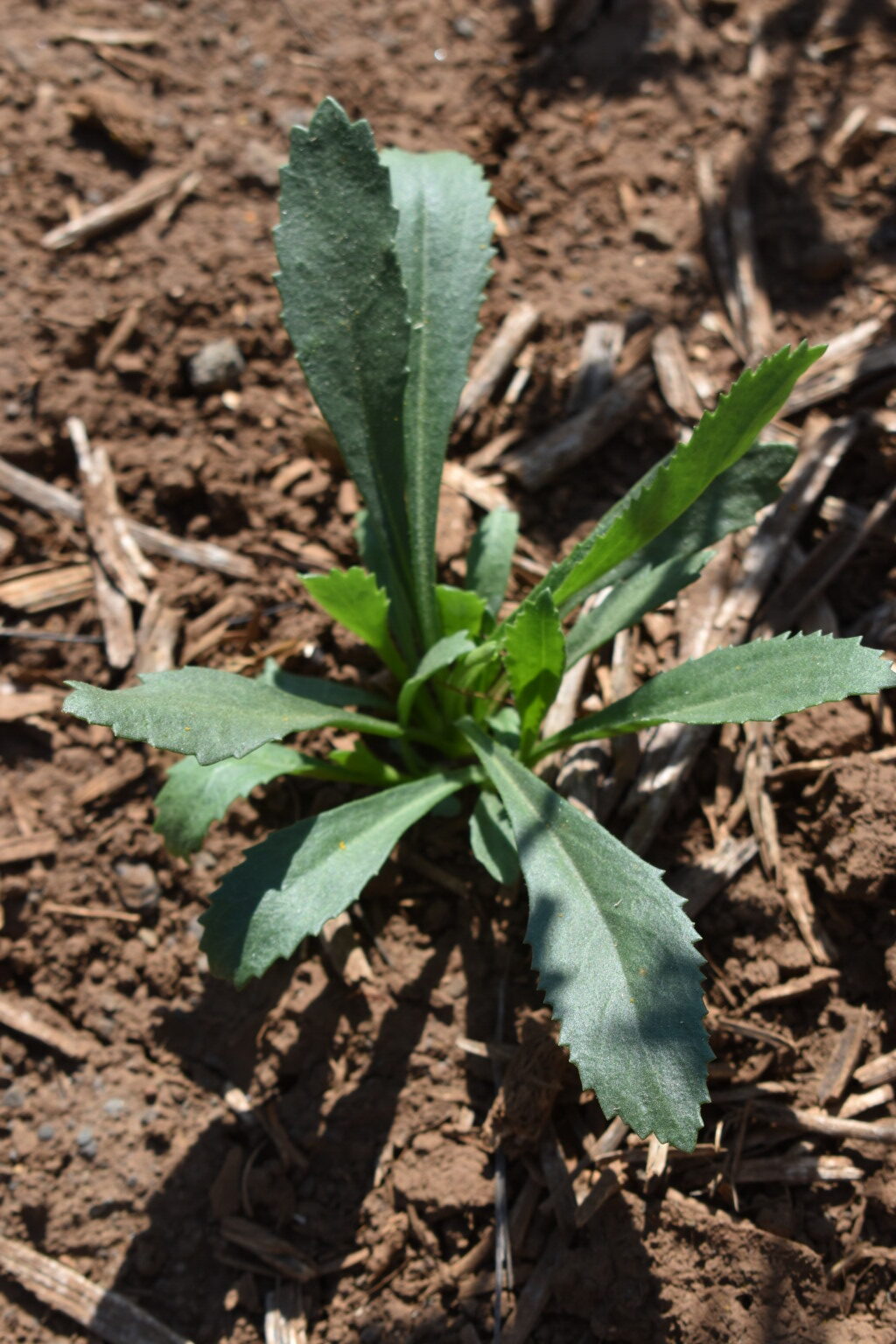
Daisy – Shasta
$2.50 – $52.50Price range: $2.50 through $52.50
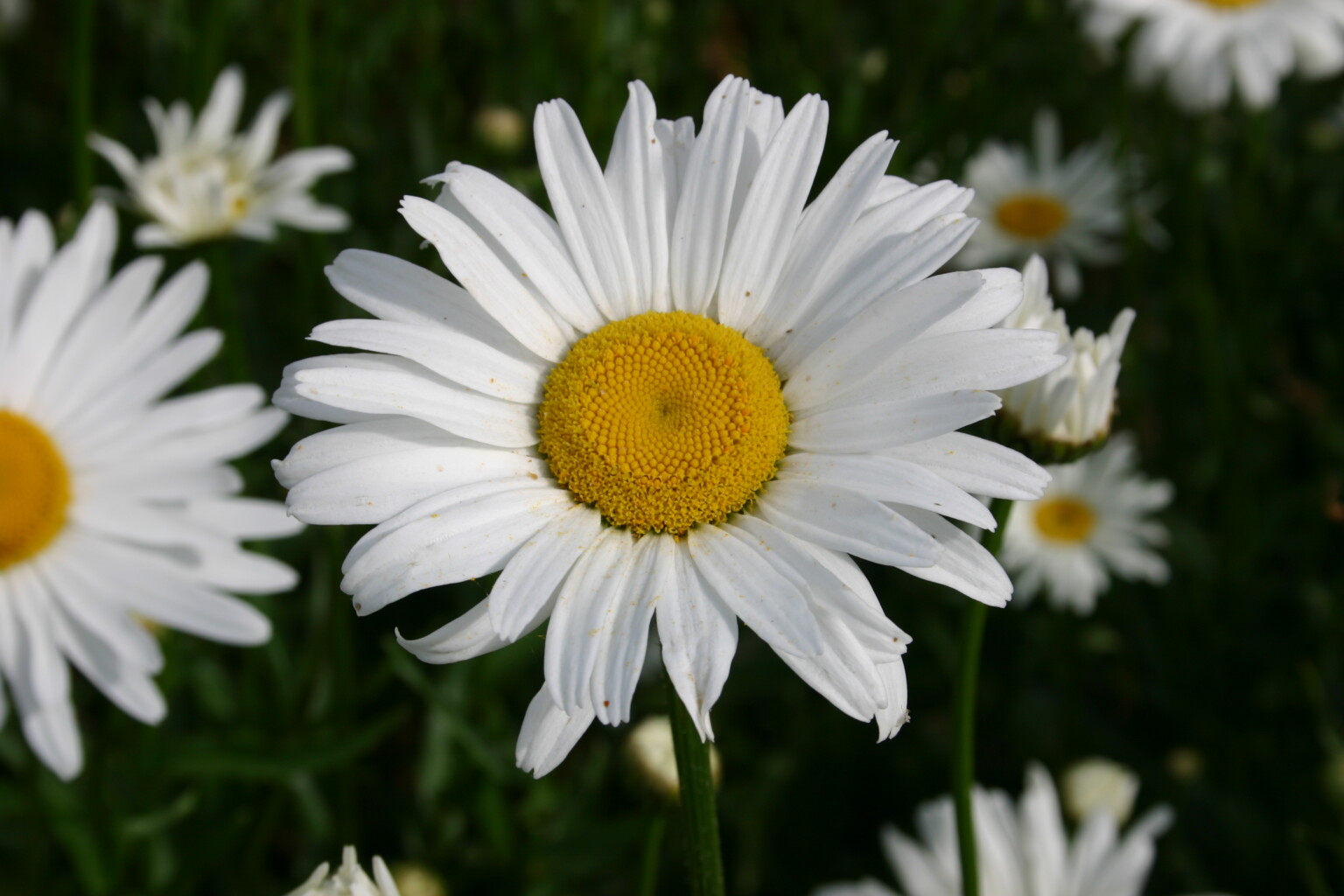
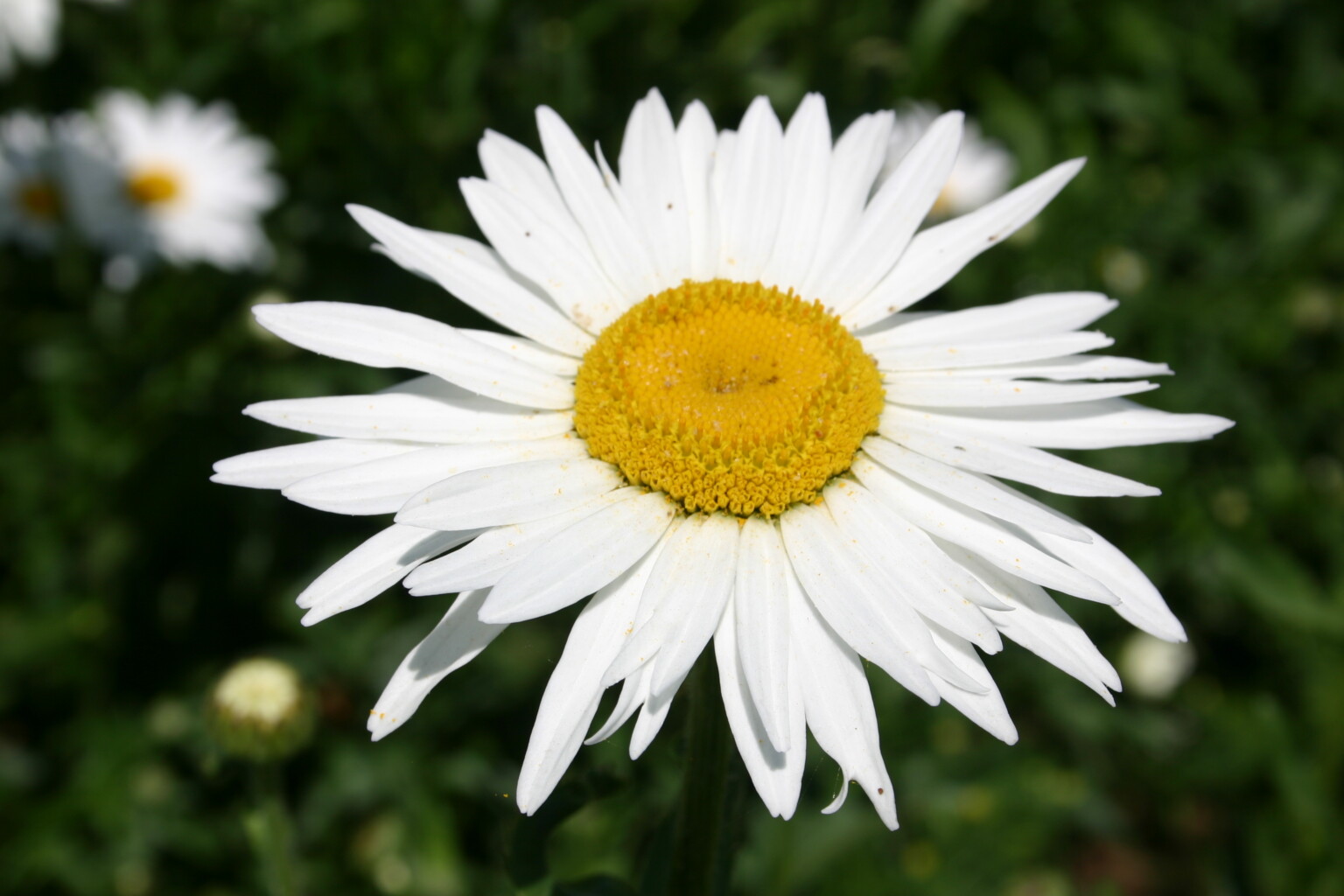
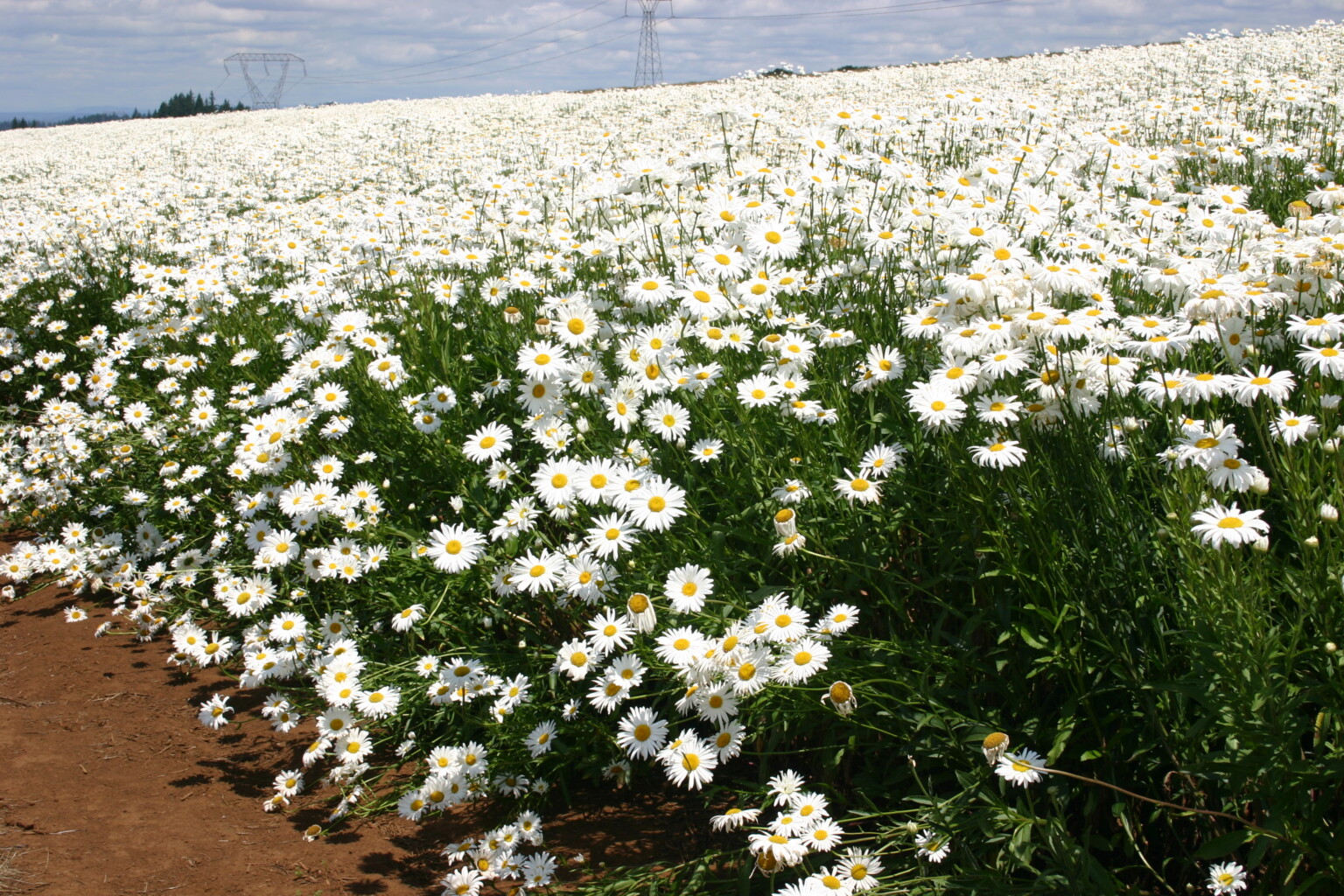
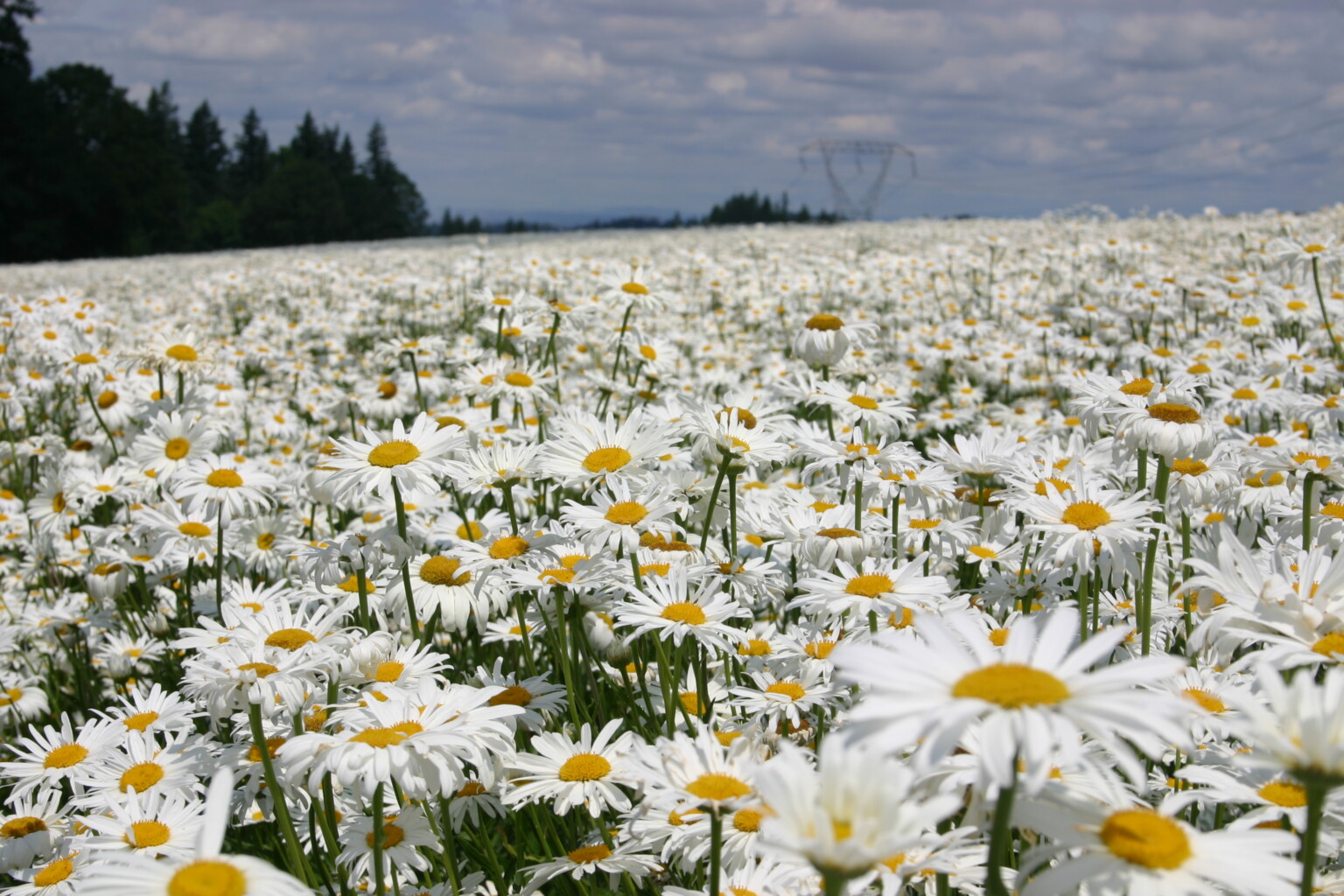
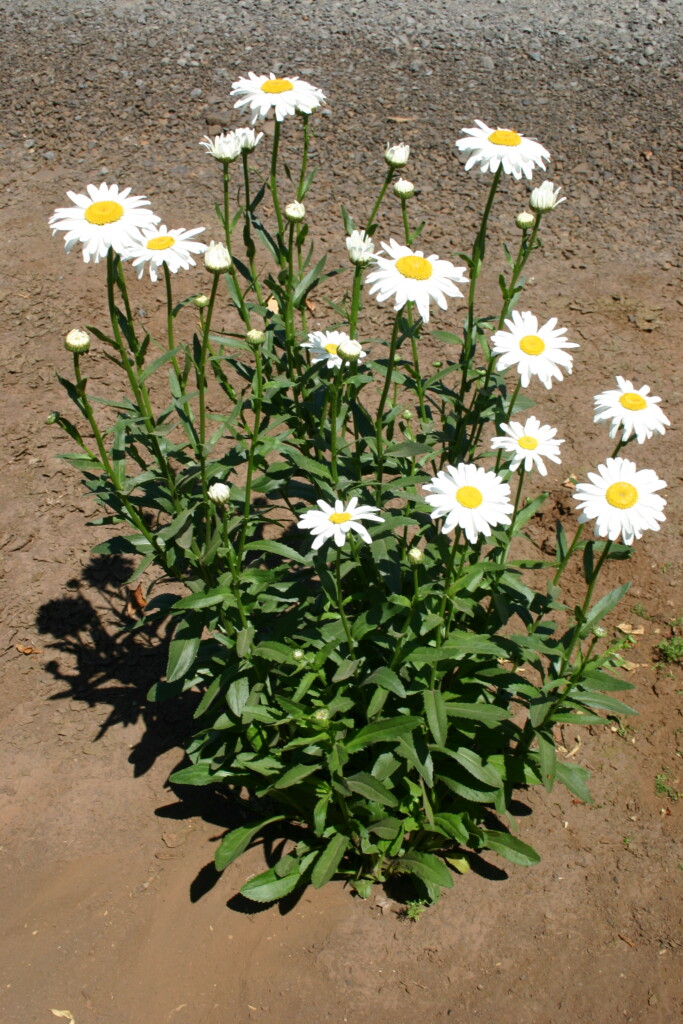
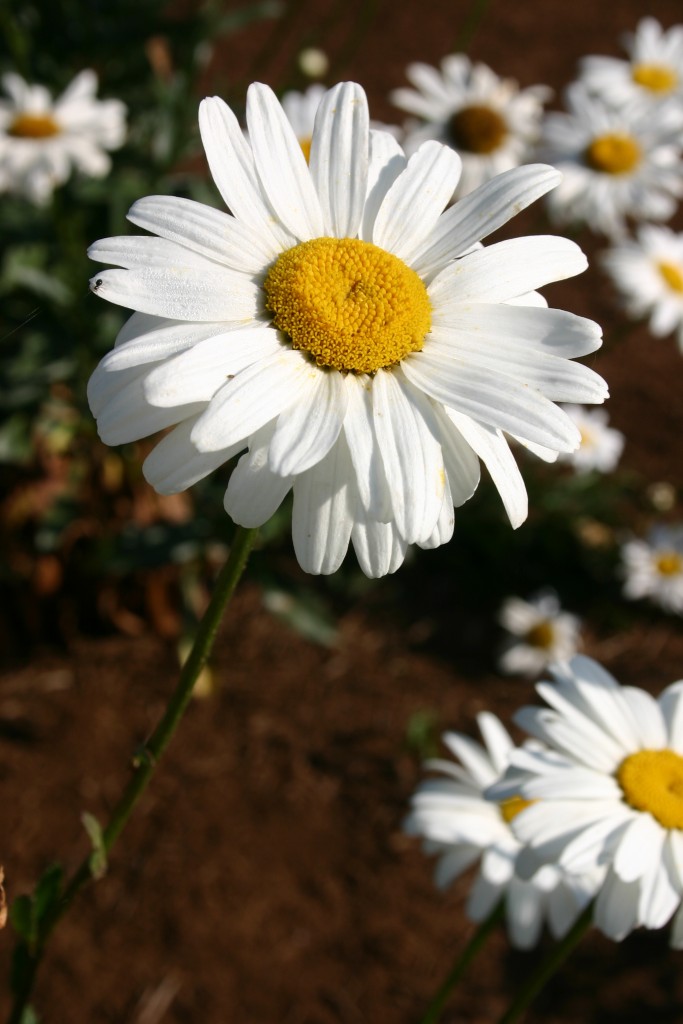
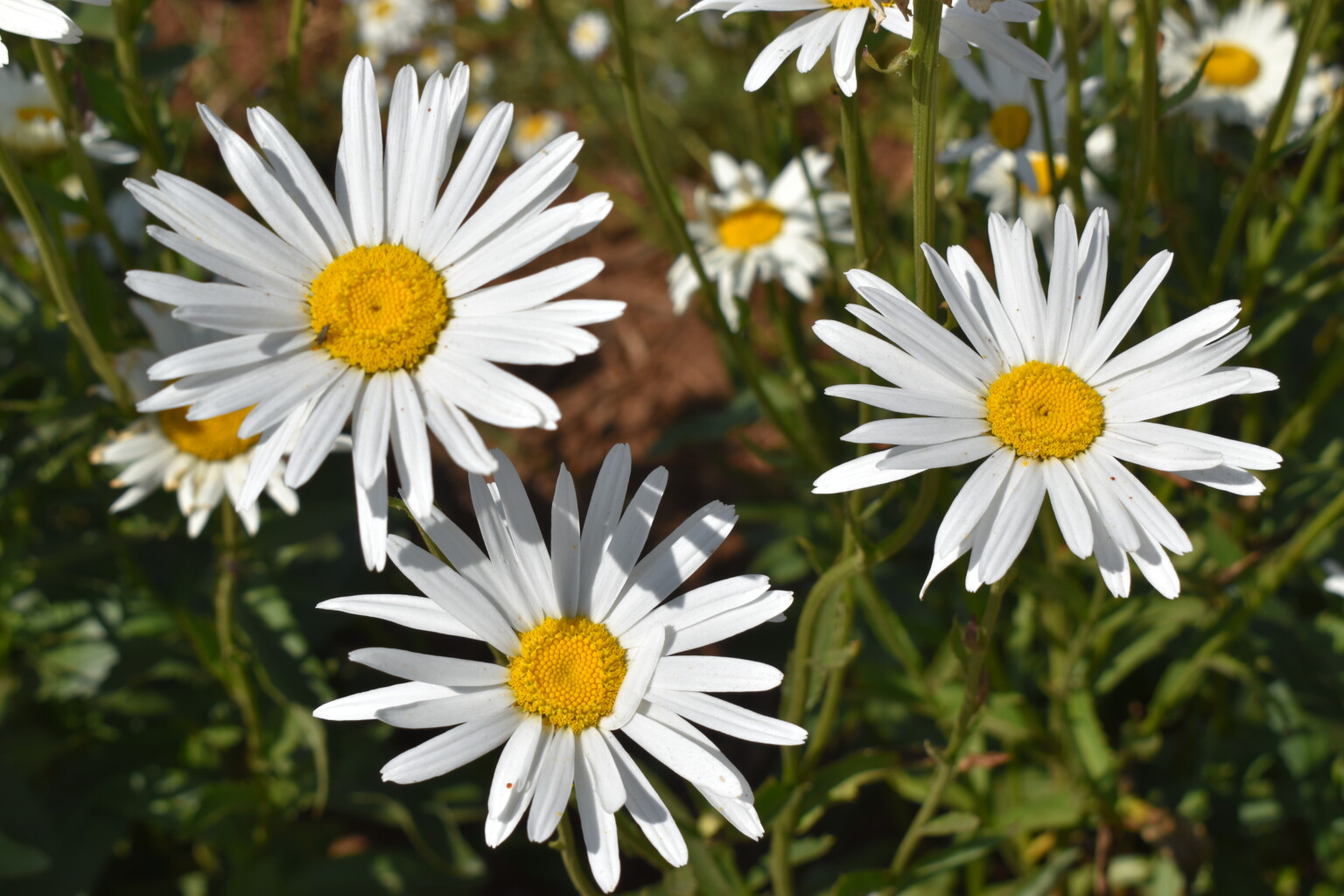
The Shasta Daisy is a hardy, long-lived perennial flower that brings classic beauty to the garden with its bright white petals and sunny yellow centers. Originally developed in the late 19th century by American horticulturist Luther Burbank, the Shasta Daisy is a hybrid derived from several daisy species, including the European Ox-Eye Daisy (Leucanthemum vulgare) and other related genera.
Shasta Daisies thrive in full sun but will also tolerate light partial shade, especially in hotter climates. Compared to their Ox-Eye relatives, they produce larger, more striking blooms and are valued for their long flowering period, typically blooming from early summer through early fall.
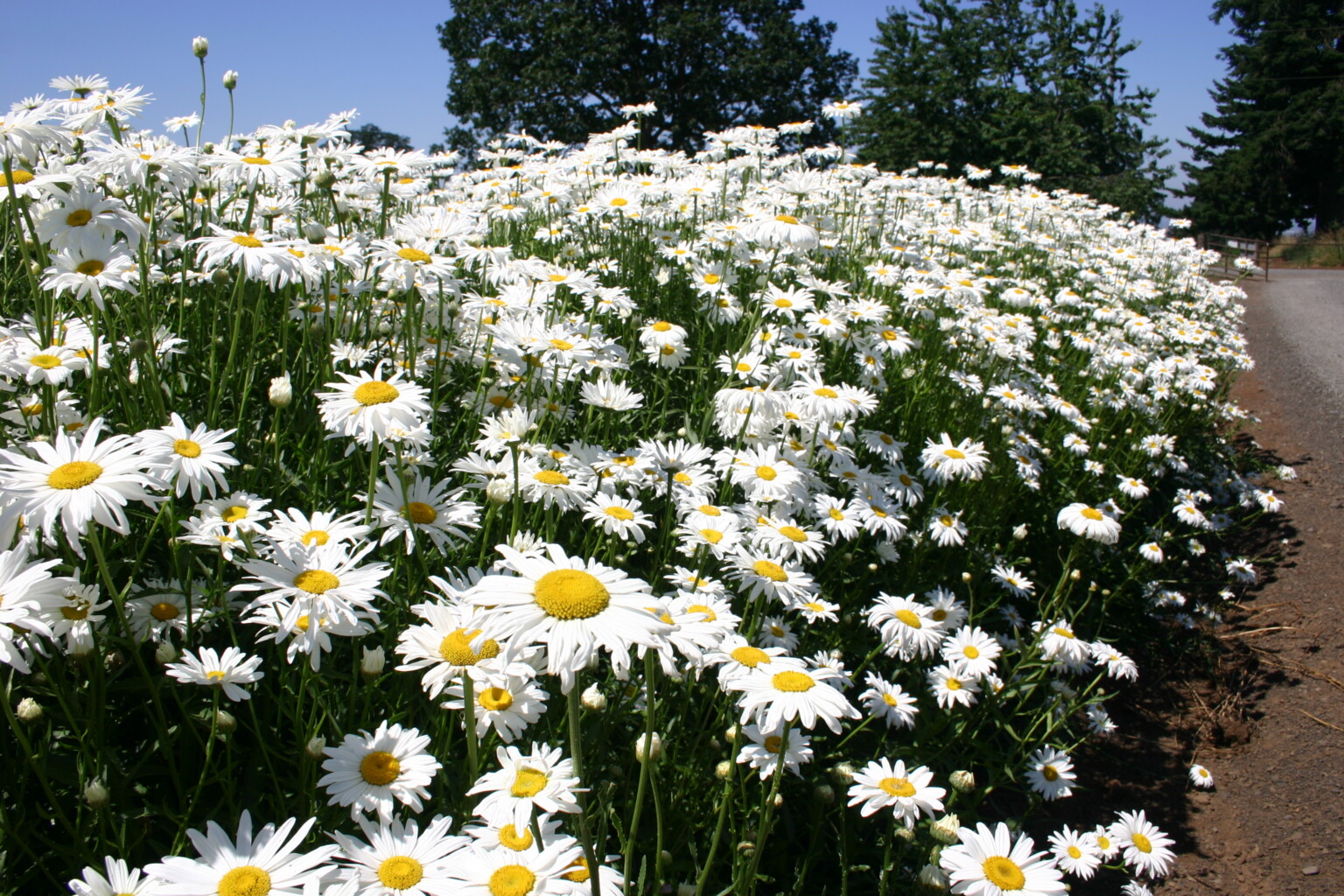
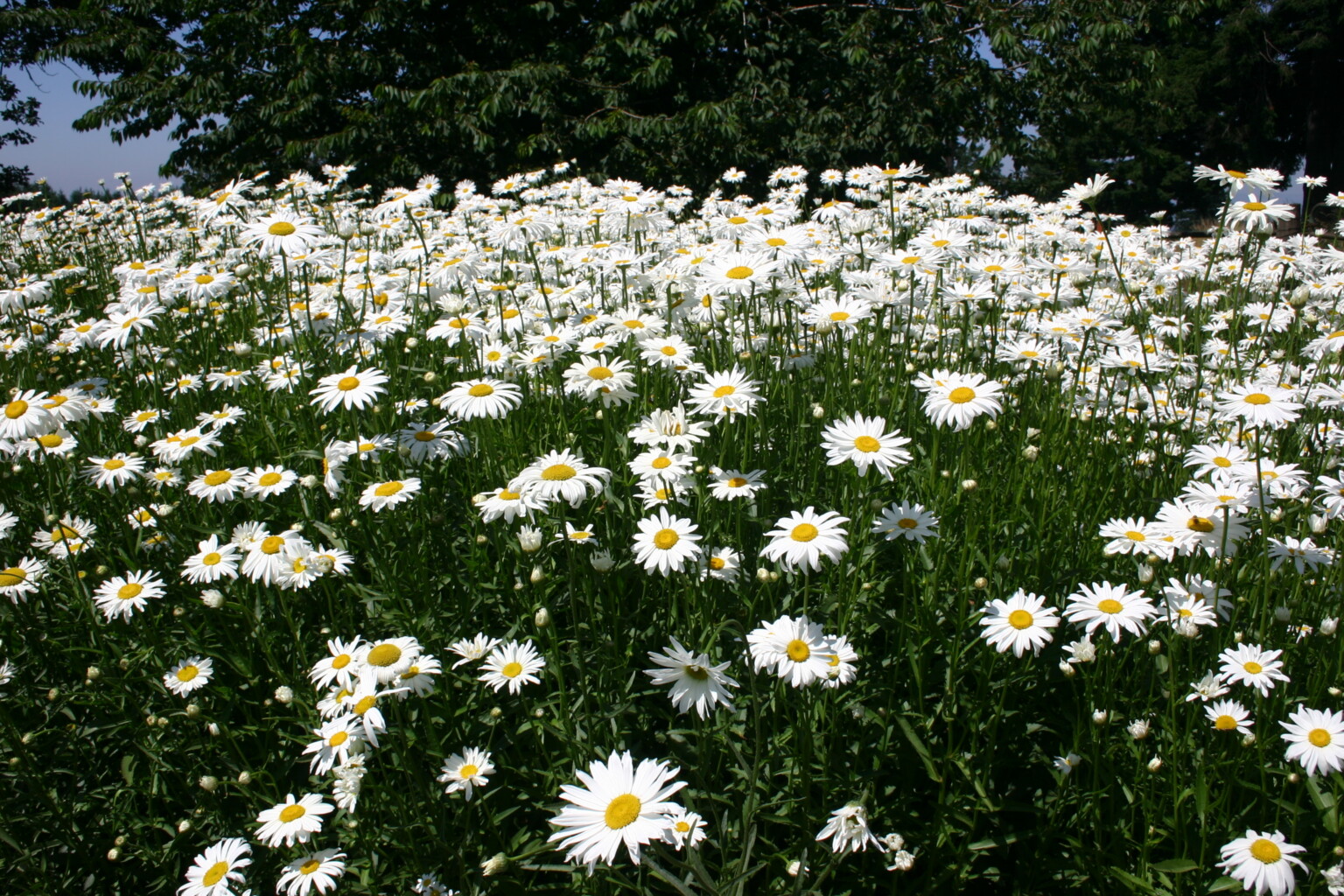
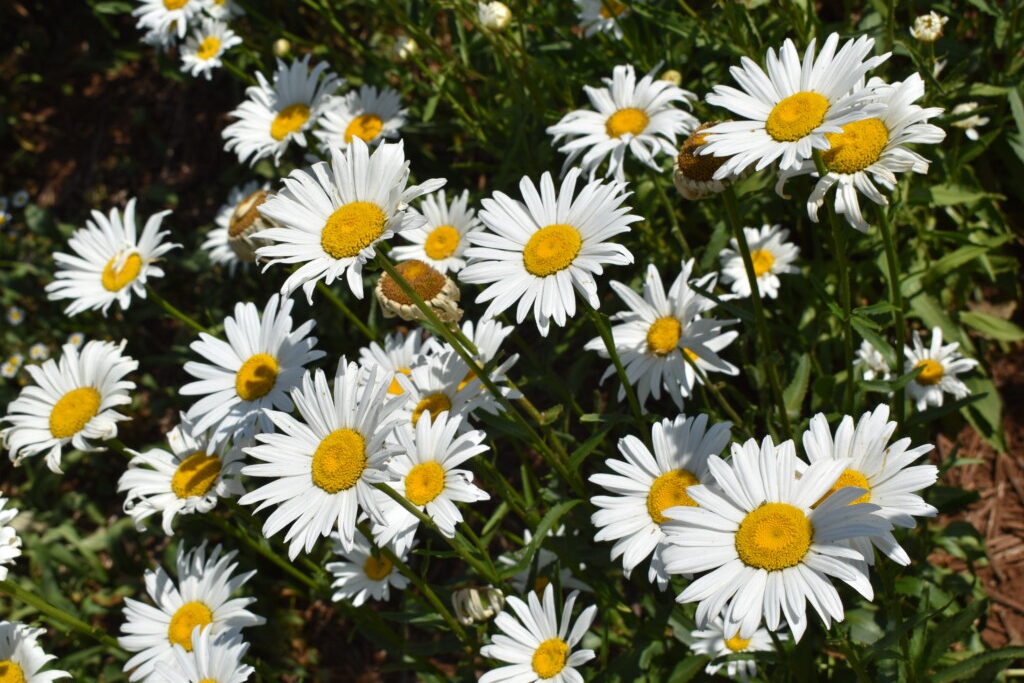
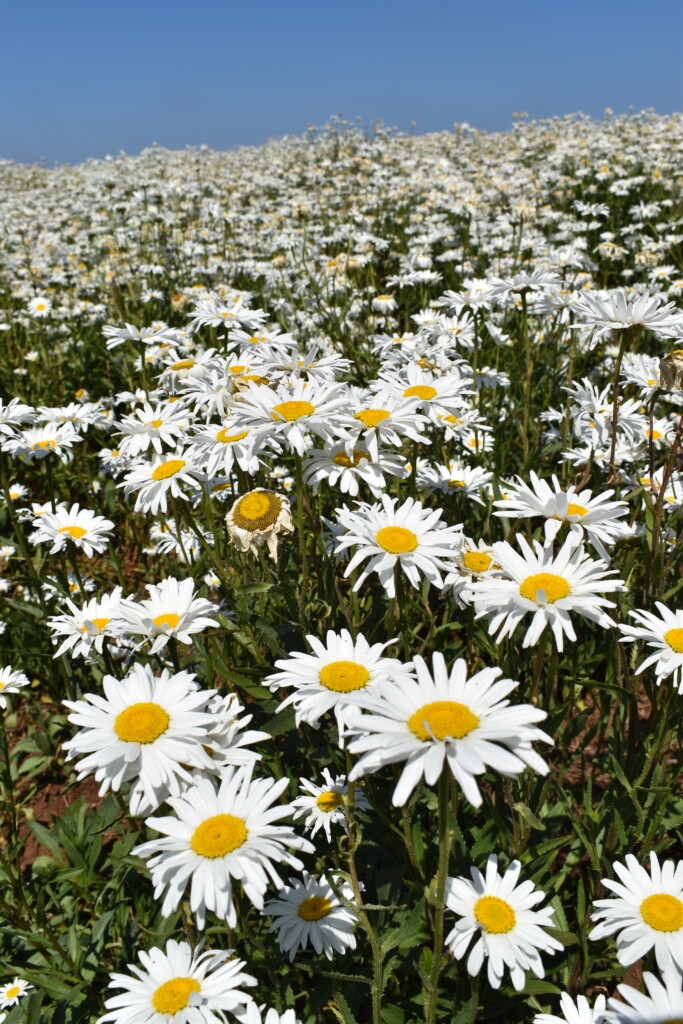
Once established in suitable conditions, Shasta Daisies can form large, spreading clumps or colonies, making them excellent for border plantings, cottage gardens, and cut flower arrangements. They prefer well-drained soil and are relatively drought-tolerant once mature.
Formerly classified under the genus Chrysanthemum, the Shasta Daisy was reclassified to Leucanthemum × superbum due to key botanical differences. For example, unlike true chrysanthemums, Shasta Daisies do not produce pyrethrin, the natural insecticide found in some chrysanthemum species. Additionally, Shasta Daisies are noted for emitting a mildly unpleasant odor, which is uncommon among garden flowers and one reason for the taxonomic revision.
Though some species in the Leucanthemum genus are considered invasive or weedy, Shasta Daisies remain a beloved garden favorite for their cheerful appearance, ease of care, and dependable growth.
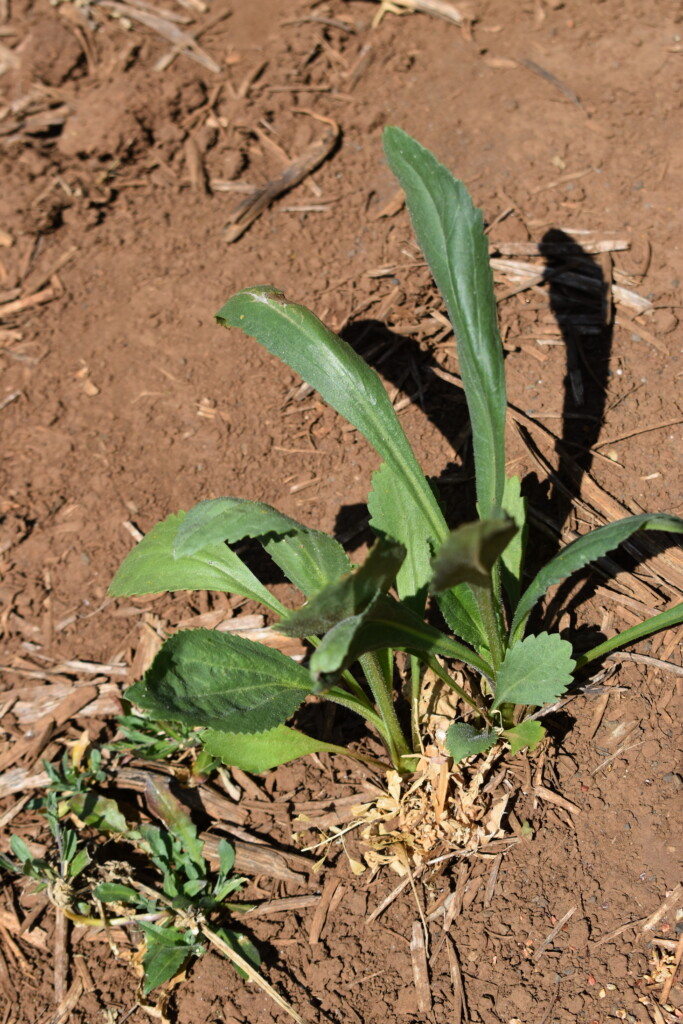
Please note: Most perennials grown from seed will not flower in their first year. Instead, they spend the first season developing strong root systems and foliage, with blooms typically appearing in the second year.
The broadcast rate for seeding is 10 – 12.5 pounds per acre.
The seed drill rate for seeding in rows is 5 pounds per acre.
| Purchasing Options | Price | Quantity | |
|---|---|---|---|
| Small Packet | $2.50 | ||
Covers approximately 5 square feet. |
|||
| 10 Gram | $3.00 | ||
Covers approximately: |
|||
| 1/8 Pound | $12.00 | ||
Covers approximately: |
|||
| 1 Pound | $52.50 | ||
Covers approximately: |
|||
| Scientific Name | Chrysanthemum maximum |
|---|---|
| Product Type | Flower |
| Color | White |
| Cycle | Perennial |
| Origin | Introduced species |
| Height | 12-36" |
| Germination Time | 15-31 days |
| Planting Season | Spring, Fall |
| Bloom Season | Spring, Summer |
| Weeks to Bloom | 4 to 6 weeks |
| USDA Zone | 5 to 9 |
| Seeds Per Pound | 436,000 |
| Seeding Rate (lb./acre) | 5 |
| Pollen/Nectar | Nectar, Pollen |
| Pollinator(s) | Bumble Bees, Butterflies, Honey Bees, Native Bees |
| Notes | the Shasta Daisy is still a common favorite among gardeners. |
| Light Requirement | Full Sun, Part Sun/Shade |