

Phacelia – Bluebell California
$2.50 – $42.00Price range: $2.50 through $42.00
TO ORDER & SEE PRICING SCROLL DOWN
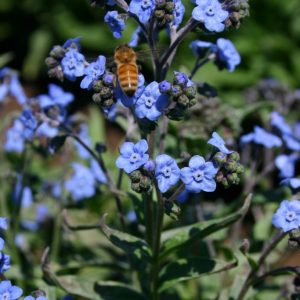
California Bluebell (Phacelia campanularia), also known as Desert Bluebell, is a striking annual wildflower known for its brilliant cobalt-blue, bell-shaped flowers, fuzzy green foliage, and distinctive reddish stems. Plants generally grow 8–20 inches tall and produce abundant flowers that create a vivid display of intense blue color.
Its unusual bell-shaped flowers and attractive foliage make California Bluebell particularly useful in wildflower meadows, flower beds, cottage gardens, rock gardens, and naturalized landscapes. Its brilliant blue flowers combine beautifully with orange, yellow, pink, white, and other wildflowers.
California Bluebell grows best in full sun to partial shade and well-drained soil. It is particularly well adapted to sandy and gravelly soils and can tolerate relatively dry conditions once established. Plants prefer cooler growing conditions during establishment and flowering and may struggle in locations with excessive moisture or prolonged high temperatures.
The flowers provide abundant nectar and pollen for honey bees, native bees, butterflies, and other visiting pollinators.
California Bluebell is particularly valued for its intense flower color, relatively compact growth habit, and ability to thrive in low-water garden settings.
Native Range
Southern California and the southwestern United States.
Phacelia campanularia is native primarily to the Mojave and Sonoran Desert regions of California and surrounding southwestern areas.
It occurs naturally in desert washes, sandy flats, rocky slopes, open desert habitats, and disturbed areas where seasonal rainfall provides sufficient moisture for germination and growth.
California Bluebell is well adapted to desert environments, where plants take advantage of cool-season moisture to establish, flower, and produce seed before summer heat and drought arrive.
It is widely cultivated throughout North America as an ornamental annual wildflower. California Bluebell is an introduced species in the Pacific Northwest, where it is valued for its brilliant blue flowers and drought-tolerant growing characteristics.
Pacific Northwest Planting
California Bluebell can be grown successfully in the Pacific Northwest, particularly western Oregon and Washington, when planted during the appropriate season.
Both fall and early spring planting are suitable. Fall planting allows seed to take advantage of natural winter moisture, while spring planting provides an opportunity to establish plants as temperatures begin to warm.
Prepare a firm, weed-free seed bed with well-drained soil. California Bluebell performs particularly well in sandy or gravelly soils and is well suited to locations where excess moisture does not accumulate.
Broadcast seed evenly over the prepared soil surface and cover lightly. Good seed-to-soil contact is important for successful germination.
Choose a location with full sun or light shade. Avoid heavily shaded locations and areas with poor drainage.
Direct seeding is recommended because California Bluebell establishes readily from seed and does not require indoor starting.
Fall Planting
Fall planting is an excellent option in western Oregon and Washington.
Sow seed directly into a prepared seed bed after summer temperatures have cooled. Fall planting allows seed to take advantage of seasonal rainfall and establish under cooler growing conditions.
Choose a well-drained location, particularly in areas receiving substantial winter precipitation.
California Bluebell is naturally adapted to seasonal rainfall patterns, making fall planting a suitable option where winter soil conditions are not excessively wet.
In colder regions with severe winters, early spring planting is generally more reliable.
Spring Planting
Spring planting is recommended throughout much of the Pacific Northwest.
Sow seed directly outdoors as early as practical once the soil becomes workable.
Broadcast seed evenly over the prepared soil surface and cover lightly. Avoid planting seed too deeply.
Maintain adequate moisture during germination and early establishment. Once plants become established, reduce supplemental watering as conditions allow.
Early planting is important because California Bluebell prefers mild growing conditions and generally flowers before the arrival of excessive summer heat.
Planting in Other Regions
California Bluebell is adaptable to many temperate climates and is particularly well suited to regions with cool, moist growing seasons followed by relatively dry summers.
In colder climates, plant in early spring after the soil becomes workable. In regions with mild winters, fall planting is generally preferable.
In warmer climates, fall or winter planting is recommended to allow plants to establish and flower before summer heat arrives.
Choose full sun to partial shade and well-drained sandy or gravelly soil. Avoid heavy clay soils, waterlogged locations, and areas with prolonged exposure to excessive moisture.
California Bluebell is particularly valuable in low-water landscapes and gardens designed to accommodate drought-tolerant annual flowers.
Establishment & Growth
California Bluebell establishes readily from seed when planted into a prepared seed bed with good seed-to-soil contact.
Germination generally occurs within 15–30 days under favorable conditions.
Plants generally grow 8–20 inches tall and develop attractive fuzzy foliage with reddish stems.
Flowering typically begins approximately 5–6 weeks after planting under favorable growing conditions. Blooming generally occurs during spring, depending on planting date and climate.
The distinctive flowers are brilliant cobalt blue and bell-shaped, creating an unusually vivid display of blue color.
California Bluebell is particularly valuable for ornamental plantings because of its relatively compact growth habit and abundant flowering.
Plants produce seed after flowering and can naturally reseed when growing conditions are favorable. Allowing some flowers to mature will provide seed for future plantings.
California Bluebell is an excellent choice for gardeners seeking a colorful annual flower that requires relatively little supplemental water once established.
Pollinator & Wildlife Value
California Bluebell provides abundant nectar and pollen for honey bees, native bees, butterflies, and other visiting insects.
Its numerous bell-shaped flowers provide valuable floral resources during the spring flowering season.
The intense blue flowers are particularly attractive to visiting pollinators and make California Bluebell a useful addition to ornamental pollinator gardens and mixed annual wildflower plantings.
The species is also identified as providing ecological value for birds and other wildlife in its native desert habitats.
Larger Quantities
For quantities larger than those currently listed for sale, please contact us for availability and pricing.
Seeding Rates
The broadcast rate for seeding is 6–7.5 pounds per acre.
The seed drill rate for seeding in rows is 3 pounds per acre.
For small garden plantings, you may want to mix seed with sand or potting soil before broadcasting. This helps distribute the relatively small seed more evenly and provides better coverage over the planting area.
| Purchasing Options | Price | Quantity | |
|---|---|---|---|
| Small Packet | $2.50 | ||
Covers approximately 5 square feet. |
|||
| 10 Gram | $3.00 | ||
Covers approximately: |
|||
| 1/4 Pound | $12.00 | ||
Covers approximately: |
|||
| 1 Pound | $42.00 | ||
Covers approximately: |
|||
| Scientific Name | Phacelia campanularia |
|---|---|
| Product Type | Native Flower |
| Cycle | Annual |
| Color | Blue |
| Height | 8-20" |
| Light Requirement | Full Sun, Part Sun/Shade |
| Germination Time | 15-30 days |
| Weeks to Bloom | 5 to 6 weeks |
| USDA Zone | 3 to 10 |
| Origin | North American Native species |
| Planting Season | Spring, Fall |
| Bloom Season | Spring |
| Seeds Per Pound | 856,000 |
| Pollen/Nectar | Nectar, Pollen |
| Pollinator(s) | Bats, Birds, Butterflies, Honey Bees, Native Bees |
| Seeding Rate (lb./acre) | 3 |
| Notes | You may want to add a filler such as sand or potting soil with your seeds before planting to help spread them more evenly and cover more area |