

Wildrye – Blue
$2.50 – $115.01Price range: $2.50 through $115.01
TO ORDER & SEE PRICING SCROLL DOWN
Blue Wildrye
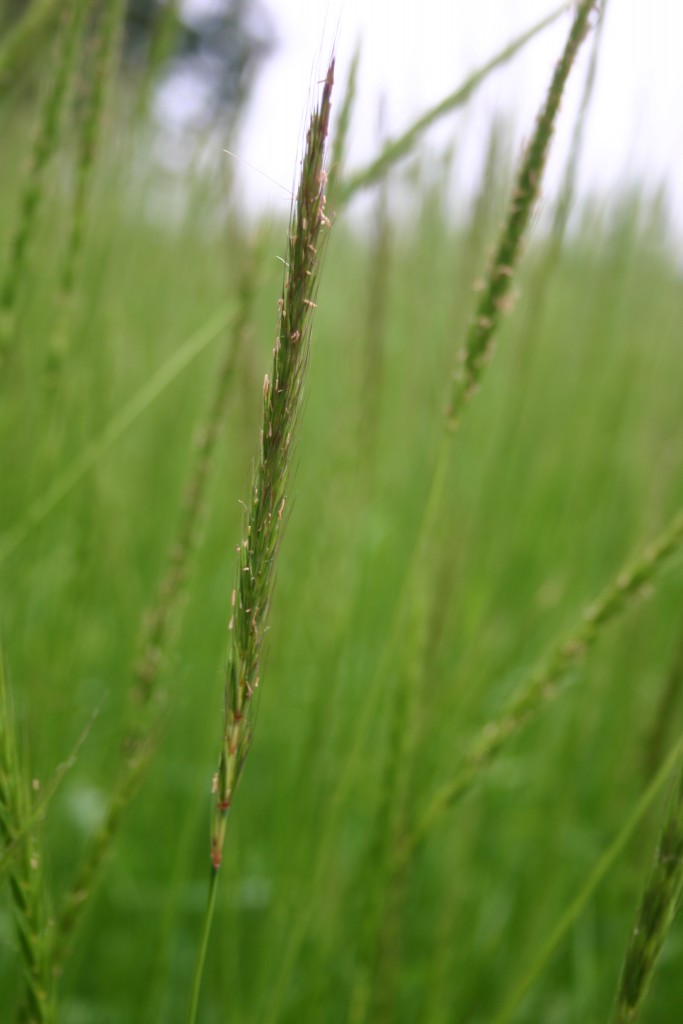
Blue Wildrye is a native, cool-season perennial bunchgrass found throughout much of the western United States, including the Pacific Northwest. It is naturally adapted to open woodlands, forest openings, prairies, dry meadows, hillsides, and disturbed areas.
Blue Wildrye produces upright clumps of blue-green foliage and can reach approximately 2–5 feet tall, depending on growing conditions. It has a deep, vigorous root system and is adaptable to a range of soils and moisture conditions.
Blue Wildrye is particularly useful for native plantings, erosion control, habitat restoration, woodland openings, disturbed sites, and naturalized landscapes. It can tolerate drought once established but generally performs best where some soil moisture is available.
Forage & Livestock
Blue Wildrye provides useful forage for livestock and wildlife, particularly when the plant is young and actively growing. New growth is palatable to cattle and horses, while mature foliage becomes coarser and less desirable. USDA rates its forage value as fair overall, with better forage quality earlier in the growing season.
For new seedings, allow the plants time to become well established before heavy grazing. Blue Wildrye does not tolerate heavy or continuous grazing well. For long-term forage plantings, rotational or deferred grazing practices are recommended, allowing plants adequate time to recover and produce seed.
Blue Wildrye can be a useful component of a native forage or pasture planting, but it is generally better used as part of a diverse forage mix rather than as a stand-alone pasture.
Fall Planting
Fall is an excellent planting season for Blue Wildrye in the Pacific Northwest.
Blue Wildrye has good seedling vigor and can be planted in either fall or spring. Fall planting allows seed to take advantage of natural fall and winter moisture and can provide an opportunity for plants to establish before the following summer.
Spring Planting
Spring planting is also an option.
In the Pacific Northwest, March and April can be good months for spring planting, depending on local temperatures, soil conditions, and moisture.
Plant when the soil is workable and beginning to warm. Keep the seed bed adequately moist during germination and early establishment.
Establishment & Long-Term Growth
Blue Wildrye is a short-lived perennial, so individual plants do not necessarily persist as long as some other native perennial grasses. However, it can establish relatively quickly and can be valuable as an early or pioneer species while longer-lived vegetation becomes established.
Do not expect a newly seeded stand to be ready for heavy grazing during its first growing season. Allow plants to develop strong roots and established clumps before significant livestock use.
Once established, Blue Wildrye can provide valuable forage, wildlife habitat, erosion control, and native vegetation cover.
Choosing the Right Site
Blue Wildrye is adaptable and can grow in full sun to partial shade. It is particularly well suited to open woodlands, woodland edges, prairies, dry to moderately moist meadows, hillsides, and disturbed areas.
It can tolerate periods of drought once established, although adequate moisture during germination and early growth is important for successful establishment.
Larger Quantities
For quantities larger than those currently listed for sale, please contact us for availability and pricing.
Seeding Rates
Broadcast seeding rate: 40–50 pounds per acre
Seed drill rate: 20 pounds per acre
| Purchasing Options | Price | Quantity | |
|---|---|---|---|
| Small Packet | $2.50 | ||
Covers approximately 5 square feet. |
|||
| 10 Gram | $3.00 | ||
Covers approximately: |
|||
| 1/4 Pound | $12.00 | ||
Covers approximately: |
|||
| 1 Pound | $42.00 | ||
Covers approximately: |
|||
| Scientific Name | Elymus glaucus |
|---|---|
| Product Type | Forage/Pasture Grass, Native Grass |
| Color | Green |
| Cycle | Perennial |
| Origin | NW Native species, North American Native species |
| Height | 24-60" |
| Planting Season | Spring, Fall |
| Bloom Season | Summer |
| Seeds Per Pound | 134,500 |
| Seeding Rate (lb./acre) | 20 |
Related products
-
Lupine – Small Flowered Bi-Color
Native Flower, Perennial$2.50 – $294.95Price range: $2.50 through $294.95