

Phlox – Large-Flowered
$2.50 – $99.00Price range: $2.50 through $99.00
TO ORDER & SEE PRICING SCROLL DOWN
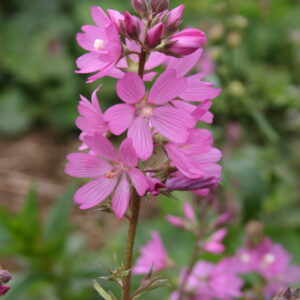
Large-Flowered Phlox (Collomia grandiflora) is a native, cool-season annual wildflower known for its clusters of pink, salmon, peach, cream, and yellowish flowers. The tubular, five-lobed flowers are produced near the tops of slender, upright stems and can add a colorful display to native meadows, prairies, open woodlands, restoration plantings, and naturalized gardens.
Large-Flowered Phlox generally grows about 4–36 inches tall, depending on growing conditions. Plants have narrow, lance-shaped leaves and slender stems topped with compact clusters of flowers. The flowers have distinctive blue anthers that contrast with the surrounding petals.
Large-Flowered Phlox grows best in full sun to light shade and well-drained soil. It is adaptable to a range of soil types and is particularly well suited to open, relatively dry sites, including meadows, grasslands, forest openings, woodland edges, and other areas with limited competition from dense vegetation.
Large-Flowered Phlox is well suited to native wildflower gardens, meadows, prairie plantings, pollinator gardens, restoration projects, woodland edges, and naturalized landscapes. Its annual growth habit makes it useful as a seasonal component of native wildflower seed mixes.
The flowers provide pollen and nectar for a variety of pollinating insects, including native bees, bumble bees, sweat bees, butterflies, and pollinating flies.
Large-Flowered Phlox is an annual and completes its life cycle within one growing season. After flowering, plants produce seed and die back. Under favorable conditions, the seed can naturally reseed the planting and produce new plants in following years.
Native Range
British Columbia, Washington, Oregon, California, Idaho, and other portions of western North America.
Large-Flowered Phlox is naturally found in open meadows, grasslands, forest openings, woodland edges, and other relatively open habitats.
Pacific Northwest Planting
For gardeners and restoration projects in the Pacific Northwest, Large-Flowered Phlox can be planted in either fall or early spring.
Fall planting is generally preferred. Sow seed directly into a prepared, weed-free planting area after temperatures have cooled and fall moisture is available.
Broadcast the seed over the soil surface and press it firmly into the soil for good seed-to-soil contact. The seed should be planted shallowly and should not be buried deeply.
Fall sowing allows the seed to experience natural cool and moist winter conditions before spring germination.
Early spring planting can also be successful where adequate spring moisture is available. Plant as early as practical while temperatures remain cool.
Fall Planting
Fall is an excellent planting season for Large-Flowered Phlox in the Pacific Northwest.
Prepare a firm, weed-free seed bed and broadcast the seed evenly over the soil surface. Press the seed into good contact with the soil rather than covering it deeply.
Fall planting allows natural winter moisture and cool temperatures to provide conditions favorable for spring establishment.
Choose a site with good drainage and adequate winter and spring moisture. Avoid areas where water remains standing for extended periods.
Spring Planting
Large-Flowered Phlox can also be planted in early spring.
Prepare a firm, weed-free seed bed and broadcast the seed directly onto the soil surface. Press the seed into good contact with the soil and avoid burying it deeply.
Keep the planting area adequately moist during germination and early growth.
Early spring planting is preferable to late spring planting because Large-Flowered Phlox is adapted to cool-season growing conditions.
Planting in Other Regions
Large-Flowered Phlox is well suited to much of the western United States and western Canada and performs best in regions with cool to moderate spring growing conditions.
In regions with mild winters, fall planting is generally preferred. In colder climates, early spring planting can be used once soil conditions are suitable.
In warmer or drier regions, choose a site where plants can complete their growth and flowering before intense summer heat and drought become severe.
Establishment & Growth
Large-Flowered Phlox establishes best in a firm, weed-free seed bed with good seed-to-soil contact.
Keep competing weeds and aggressive grasses under control during establishment. Young plants can be outcompeted by dense perennial vegetation, particularly where light is limited.
Under favorable conditions, plants establish during the cool season and generally flower from late spring into summer. Bloom timing varies with location, elevation, planting date, and weather.
After flowering, seed develops within the plant’s seed capsules. Allowing some plants to mature and release seed can encourage natural reseeding and help maintain the species in naturalized plantings.
Choosing the Right Site
Choose a location with full sun to light shade and well-drained soil.
Large-Flowered Phlox is particularly well suited to:
- Native wildflower meadows
- Prairie plantings
- Dry grasslands
- Open woodlands
- Forest openings
- Woodland edges
- Pollinator gardens
- Native restoration projects
- Naturalized landscapes
Avoid heavily shaded locations and areas dominated by dense, aggressive perennial vegetation.
Pollinator & Wildlife Value
Large-Flowered Phlox provides seasonal floral resources for a variety of pollinating insects. Native bees, including bumble bees and sweat bees, visit the flowers for pollen and nectar. Butterflies, pollinating flies, and other insects may also use the flowers.
Its inclusion in diverse native wildflower plantings can help provide a succession of flowering species and support a variety of pollinators.
Larger Quantities
For quantities larger than those currently listed for sale, please contact us for availability and pricing.
Seeding Rates
The broadcast rate for seeding is 24–30 pounds per acre.
The seed drill rate for seeding in rows is 12 pounds per acre.
| Purchasing Options | Price | Quantity | |
|---|---|---|---|
| Small Packet | $2.50 | ||
Covers approximately 5 square feet. |
|||
| 10 Gram | $3.00 | ||
Covers approximately: |
|||
| 1/8 Pound | $12.00 | ||
Covers approximately: |
|||
| 1 Pound | $99.00 | ||
Covers approximately: |
|||
| Scientific Name | Collomia grandiflora |
|---|---|
| Product Type | Native Flower |
| Color | Pink, White, Yellow |
| Cycle | Annual |
| Origin | NW Native species, North American Native species |
| Height | 4-36" |
| Bloom Season | Summer |
| Weeks to Bloom | 6 to 8 weeks |
| USDA Zone | 3 to 10 |
| Seeds Per Pound | 200,000 |
| Seeding Rate (lb./acre) | 12 |
| Pollen/Nectar | Nectar, Pollen |
| Pollinator(s) | Birds, Butterflies, Honey Bees |
| Notes | can be found in meadows and forests at low to mid elevations |
Related products
-
Northwest Grassland Economy Mix
Native Grass Mix, Perennial$2.50 – $135.00Price range: $2.50 through $135.00