

Lupine – Perennial Blue
$2.50 – $52.50Price range: $2.50 through $52.50
TO ORDER & SEE PRICING & SIZES AVAILABLE, SCROLL DOWN
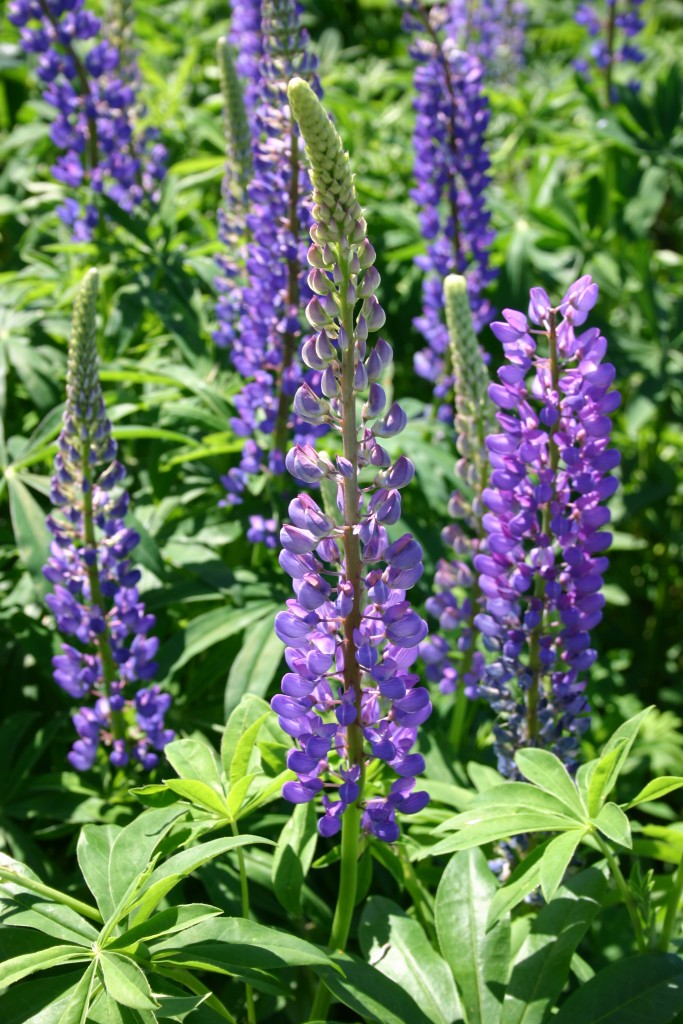
Perennial Blue Lupine (Lupinus perennis), also known as Sundial Lupine or Wild Lupine, is an attractive perennial wildflower known for its tall spikes of blue to purple flowers and distinctive palmate green foliage. Plants generally grow 12–36 inches tall and produce upright flowering stems above attractive, palm-shaped leaves.
Its beautiful blue and purple flowers make this species particularly useful in wildflower meadows, native plant gardens, perennial borders, naturalized landscapes, and pollinator plantings. The upright flower spikes provide excellent seasonal color and combine beautifully with yellow, white, pink, and other native wildflowers.
Perennial Blue Lupine grows best in full sun to partial shade and well-drained soil. It is particularly well suited to sandy and lighter-textured soils and performs best in locations where excess moisture does not accumulate. Once established, plants develop a strong root system and can tolerate relatively dry conditions.
The flowers attract bees, butterflies, and other visiting pollinators. Perennial Lupine is also an important host plant for certain native butterfly species.
Native Range
Eastern North America.
Lupinus perennis is native to eastern North America, where it occurs naturally in open woodlands, sandy grasslands, pine barrens, savannas, and other well-drained habitats.
It is particularly associated with sandy, relatively open environments where competing vegetation is limited.
Perennial Blue Lupine is cultivated throughout North America as an ornamental and ecological restoration species. It is not native to the Pacific Northwest and should not be confused with native western lupine species.
Pacific Northwest Planting
Perennial Blue Lupine can be grown in the Pacific Northwest when provided with suitable soil and growing conditions.
Fall planting is the primary recommended planting season. Sowing seed after summer temperatures have cooled allows seed to experience natural seasonal conditions before spring growth.
Prepare a firm, weed-free seed bed with good drainage. Lupine performs particularly well in sandy or lighter soils and may struggle in heavy, poorly drained locations.
Lupine seed has a naturally hard seed coat. Light scarification before planting can improve germination by allowing moisture to penetrate the seed coat.
Scarification involves gently scratching or nicking the outer seed coat without damaging the seed itself.
Direct seeding is recommended because Perennial Lupine develops a strong root system and does not transplant well once established.
Choose a location with full sun to partial shade and avoid areas where water remains standing.
Fall Planting
Fall is the recommended planting season for Perennial Blue Lupine in the Pacific Northwest.
Sow seed directly into a prepared, weed-free seed bed after the hottest part of summer has passed and temperatures have cooled.
Lightly scarify seed before planting to help improve germination. Sow seed shallowly and cover lightly with soil.
Fall planting allows seed to experience natural seasonal conditions and take advantage of winter and spring moisture.
Maintain adequate moisture during germination and early establishment, particularly if fall and winter rainfall is limited.
Choose a well-drained location, especially in areas receiving substantial winter precipitation.
Spring Planting
Spring planting is also suitable in regions where fall planting is not practical.
Sow seed directly outdoors as early as practical once the soil becomes workable.
Because Lupine seed has a hard outer seed coat, scarification before planting can help improve and encourage more uniform germination.
Sow seed shallowly into prepared soil and cover lightly. Maintain consistent moisture during germination and early growth.
Avoid overwatering or planting in poorly drained soil.
Spring-planted Lupine may establish more slowly than expected, and germination can occur over an extended period. Patience is important when growing this species from seed.
Planting in Other Regions
Perennial Blue Lupine is adaptable to regions with suitable temperate growing conditions and well-drained soils.
In colder climates, fall planting or early spring planting can be successful. In regions with mild winters, fall planting is generally preferable.
In warmer climates, planting during the cooler part of the year can help young plants establish before periods of extreme heat.
Choose a location with full sun to partial shade and well-drained soil. Sandy and lighter-textured soils are particularly suitable.
Avoid heavy clay soils, waterlogged locations, and areas with excessive competition from aggressive grasses and other vegetation.
Establishment & Growth
Perennial Blue Lupine establishes from seed when planted into a prepared seed bed with good seed-to-soil contact.
Germination generally occurs within 15–70 days under favorable conditions. The hard seed coat can contribute to variable germination, making scarification beneficial before planting.
Plants generally grow 12–36 inches tall and produce attractive palmate foliage with upright flowering stems.
As a perennial species, plants develop a strong root system and can return year after year under suitable growing conditions.
Flowering generally occurs during spring and summer, depending on planting date, climate, and establishment.
The distinctive flowers are arranged along upright spikes and range from blue to purple.
Allowing flowers to mature will produce seed pods that can be harvested for future planting and natural reseeding.
Pollinator & Wildlife Value
Perennial Blue Lupine provides an important source of nectar and pollen for bees, butterflies, and other visiting insects.
Its flowers are particularly attractive to bumble bees and other native pollinators.
Perennial Lupine is also an important larval host plant for the endangered Karner blue butterfly in portions of its native range. The butterfly depends on native lupine plants for its caterpillar development.
Its value to pollinators makes Perennial Blue Lupine a useful addition to native plant gardens, pollinator habitats, and ecological restoration projects within its appropriate growing range.
As a native eastern North American species, it should not be confused with native western lupines found naturally throughout the Pacific Northwest.
Important Planting Considerations
Lupine species can contain naturally occurring toxic alkaloids, particularly in their seeds and other plant material. Keep seeds and plant material away from children and pets.
Some lupine species can also be poisonous to livestock. Check with your state’s Department of Agriculture before planting to determine whether this species is restricted or considered invasive in your area.
Larger Quantities
For quantities larger than those currently listed for sale, please contact us for availability and pricing.
Seeding Rates
The broadcast rate for seeding is 70–87.5 pounds per acre.
The seed drill rate for seeding in rows is 35 pounds per acre.
| Purchasing Options | Price | Quantity | |
|---|---|---|---|
| Small Packet | $2.50 | ||
Covers approximately 5 square feet. |
|||
| 10 Gram | $3.00 | ||
Covers approximately: |
|||
| 1/8 Pound | $12.00 | ||
Covers approximately: |
|||
| 1 Pound | $52.50 | ||
Covers approximately: |
|||
| Scientific Name | Lupinus perennis |
|---|---|
| Product Type | Native Flower |
| Color | Blue, Purple |
| Cycle | Perennial |
| Origin | North American Native species |
| Height | 12-36" |
| Germination Time | 15-70 days |
| Planting Season | Fall |
| Bloom Season | Spring, Summer |
| Seeds Per Pound | 23,800 |
| Seeding Rate (lb./acre) | 35 |
| Light Requirement | Full Sun, Part Sun/Shade |
Related products
-
Calendula – Pacific Beauty Mix
Flower, Flower Mix, Herb, Annual$2.50 – $36.40Price range: $2.50 through $36.40 -
Candytuft – Dwarf Fairy Mix
Flower, Flower Mix, Annual$2.50 – $23.50Price range: $2.50 through $23.50