

Poppy – Shirley Single Mix
$2.50 – $33.75Price range: $2.50 through $33.75
TO ORDER & SEE PRICING SCROLL DOWN
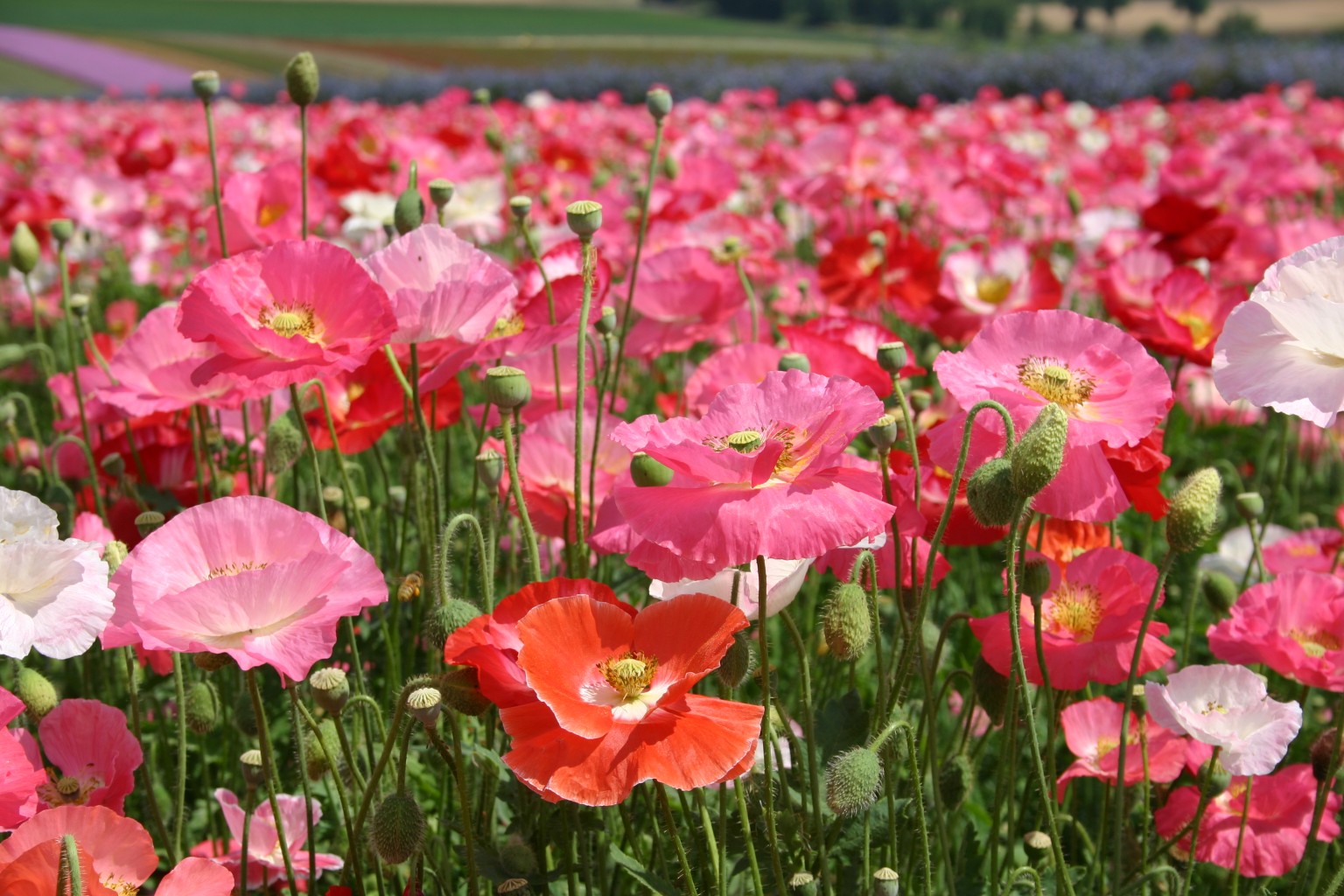
Shirley Single Poppy (Papaver rhoeas) is a charming, cool-season annual with delicate, single-petaled flowers in soft shades of pink, red, and white. This classic garden flower has a graceful, airy appearance and is well suited to cottage gardens, borders, wildflower plantings, cutting gardens, meadow plantings, and naturalized areas.
Our Shirley Single Mix produces single-petaled flowers in a mixture of pink, red, and white. The simple, open flowers provide a classic poppy appearance and add soft, cheerful color to sunny garden spaces.
Shirley Poppies grow best in full sun and well-drained soil. They are best sown directly outdoors because they do not tolerate root disturbance well. The seeds are very small and should be planted shallowly. Scatter seed over loose garden soil and gently water it in. If transplanting is necessary, move seedlings while they are very young.
Shirley Poppies can be planted in either spring or fall in most regions where growing conditions are suitable. Fall planting can provide earlier spring growth and flowering, while spring planting can provide blooms later in spring and into summer.
The delicate flowers provide nectar and pollen for a variety of pollinators, including bumble bees, butterflies, honey bees, and native bees.
Native Range & History
The Shirley Poppy is a cultivated form of the common field poppy, Papaver rhoeas, which is native to Europe and parts of North Africa and Asia.
The Shirley Poppy originated in Shirley, England, near Croydon. In 1880, Reverend William Wilks discovered a naturally occurring variation of the field poppy growing in his garden. The unusual flower had a narrow white edge around its petals.
Wilks saved seed from the plant and continued selecting plants with desirable characteristics. Over many years, this selection produced a strain of poppies in colors ranging from white and pale shades to pink and red.
Further selection eventually produced different flower forms, including single, semi-double, and double types. Our Shirley Single Mix features the classic single-petaled form.
Pacific Northwest Planting
For gardeners in the Pacific Northwest, Shirley Poppies can be planted in either fall or spring.
Fall planting is an excellent option because Shirley Poppies are cool-season annuals. Sow seed directly into a prepared, weed-free planting area after the heat of summer has passed and temperatures have cooled.
Fall planting allows the seed to experience cool conditions and can result in earlier spring growth and flowering. Choose a sunny location with well-drained soil, particularly in areas with wet winters.
Spring planting is also possible once soil conditions are suitable. Sow as early as practical while temperatures are still cool and provide consistent moisture during germination and early growth.
Spring Planting
Sow Shirley Poppy seed directly outdoors once soil conditions are suitable and temperatures are cool.
Prepare a firm, weed-free seed bed in a sunny location with well-drained soil. Scatter the small seed over the soil surface and gently water it in. If covering the seed, use only a very light layer of soil.
Germination generally takes approximately 10–30 days, depending on growing conditions.
In areas with warm springs and summers, spring planting should be timed early enough for the plants to complete their growth and flowering before intense summer heat arrives.
Fall Planting
Fall planting can be an excellent option for Shirley Poppies in the Pacific Northwest and other regions with suitable winter conditions.
Sow after the hottest part of summer has passed and temperatures have cooled. Prepare a loose, weed-free planting area in full sun with well-drained soil.
Scatter the small seed over the soil and gently water it in. Avoid planting the seed deeply.
For areas with wet winters, choose a well-drained planting location and avoid sites where water remains standing for extended periods.
Planting in Other Regions
Shirley Poppies are cool-season annuals and are best suited to regions where they can grow and flower before the arrival of intense summer heat.
In colder climates, spring planting is a reliable option once the soil can be worked and temperatures are suitable.
In regions with mild winters, fall planting can be an excellent option. Sow after summer heat has passed so the plants can establish during cooler weather and produce an early spring display.
In warmer climates with mild winters, fall or winter planting may be preferable where conditions allow. Provide adequate moisture during germination and establishment and avoid planting in areas that become excessively hot or waterlogged.
Larger Quantities
For quantities larger than those currently listed for sale, please contact us for availability and pricing.
Seeding Rates:
The broadcast rate for seeding is 4–5 pounds per acre.
The seed drill rate for seeding in rows is 2 pounds per acre.
| Purchasing Options | Price | Quantity | |
|---|---|---|---|
| Small Packet | $2.50 | ||
Covers approximately 5 square feet. |
|||
| 10 Gram | $3.00 | ||
Covers approximately: |
|||
| 1/4 Pound | $12.00 | ||
Covers approximately: |
|||
| 1 Pound | $33.75 | ||
Covers approximately: |
|||
| Scientific Name | Papaver rhoeas |
|---|---|
| Product Type | Flower, Flower Mix |
| Color | Pink, Red, White |
| Cycle | Annual |
| Origin | Introduced species |
| Height | 12-30" |
| Germination Time | 10-30 days |
| Planting Season | Spring, Fall |
| Bloom Season | Spring, Summer |
| Weeks to Bloom | 4 to 6 weeks |
| USDA Zone | 7 to 10 |
| Seeds Per Pound | 3,200,000 |
| Seeding Rate (lb./acre) | 2 |
| Pollen/Nectar | Nectar, Pollen |
| Pollinator(s) | Bumble Bees, Butterflies, Honey Bees, Native Bees |
| Notes | The Shirley Poppy was developed as a subspecies from the Red Poppy |
| Light Requirement | Full Sun |
Related products
-
Cosmos – Bipinnatus Dwarf Pink with Red Center
Flower, Annual$2.50 – $66.00Price range: $2.50 through $66.00