Wallflower – Siberian
$2.50 – $24.00Price range: $2.50 through $24.00
TO ORDER & SEE PRICING SCROLL DOWN
Growing Siberian Wallflower from Seed
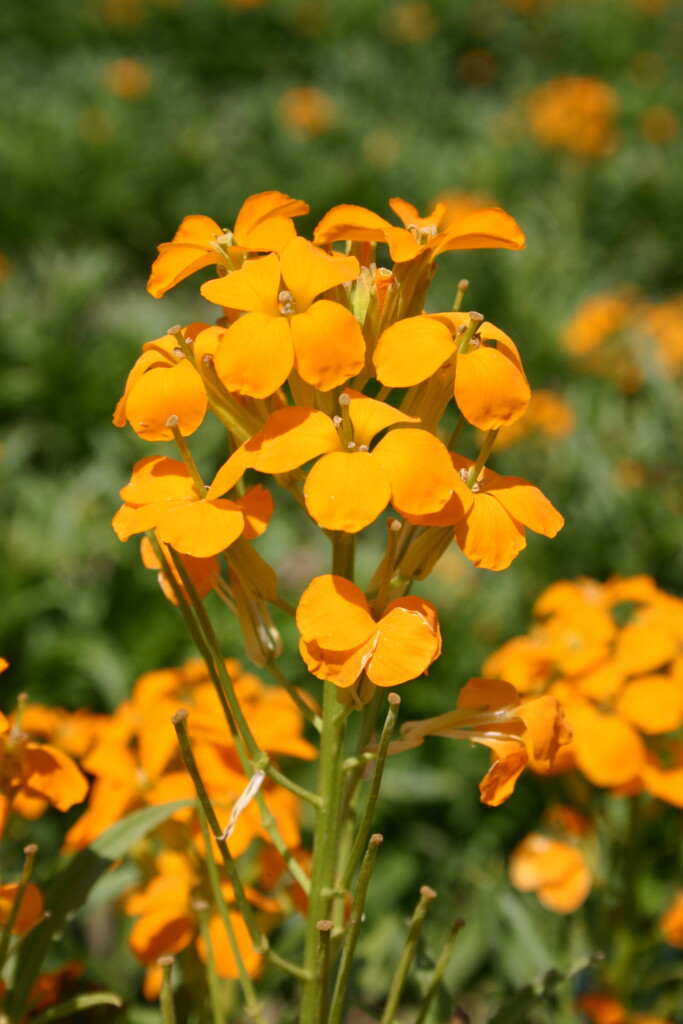
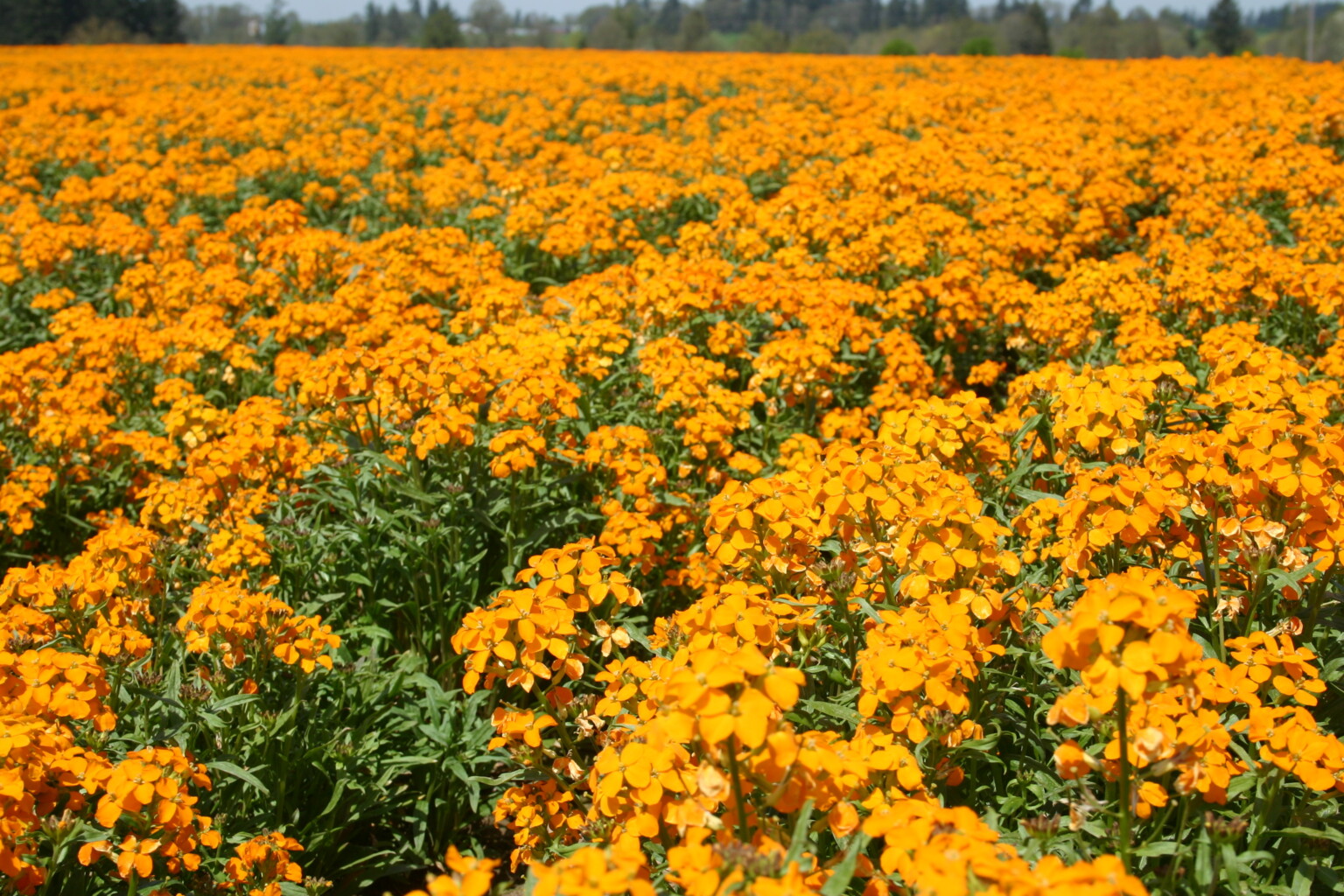
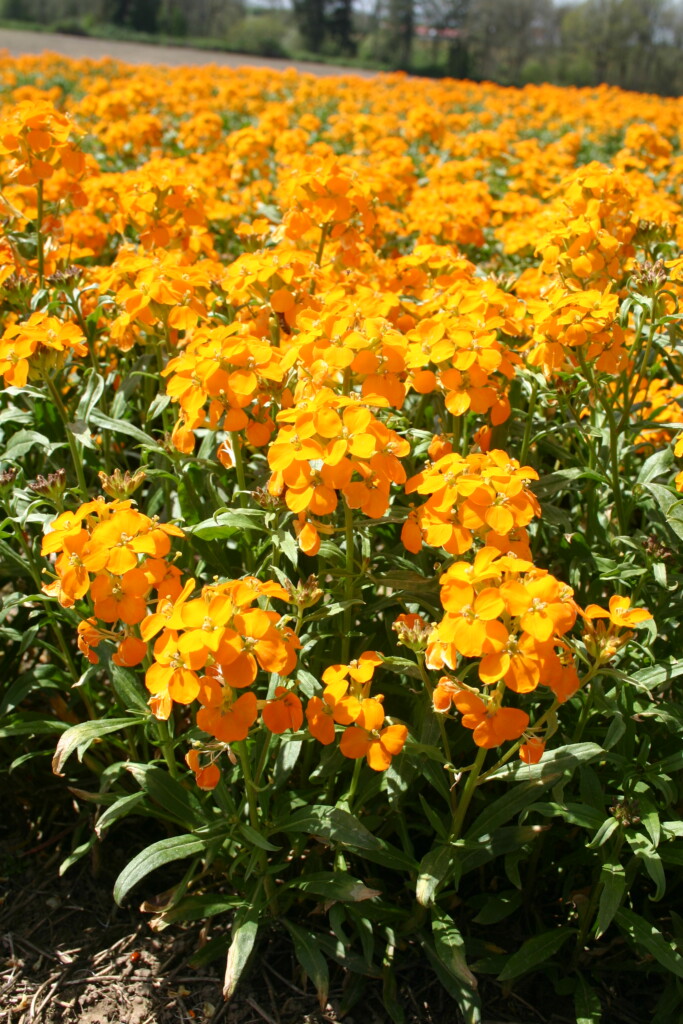
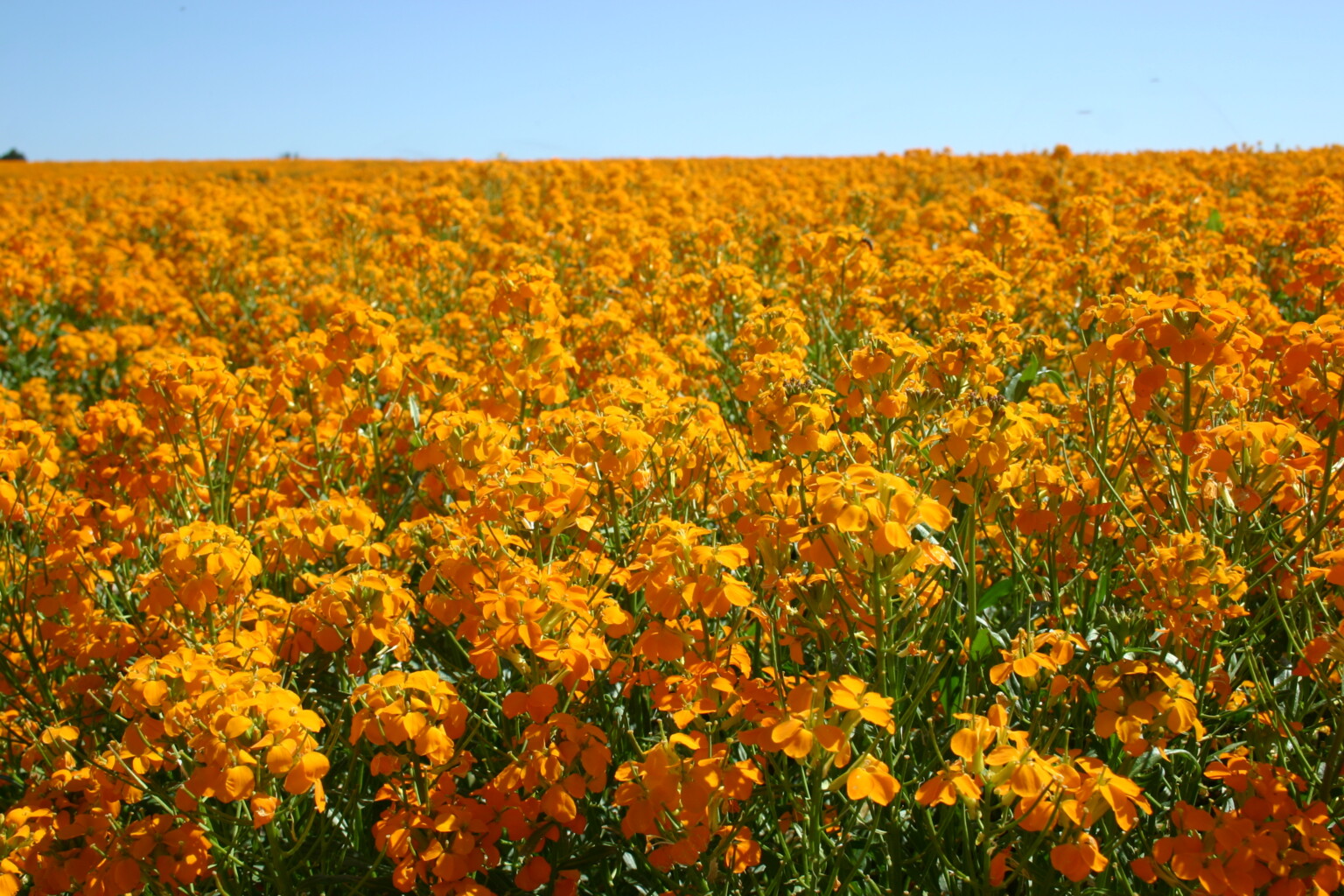
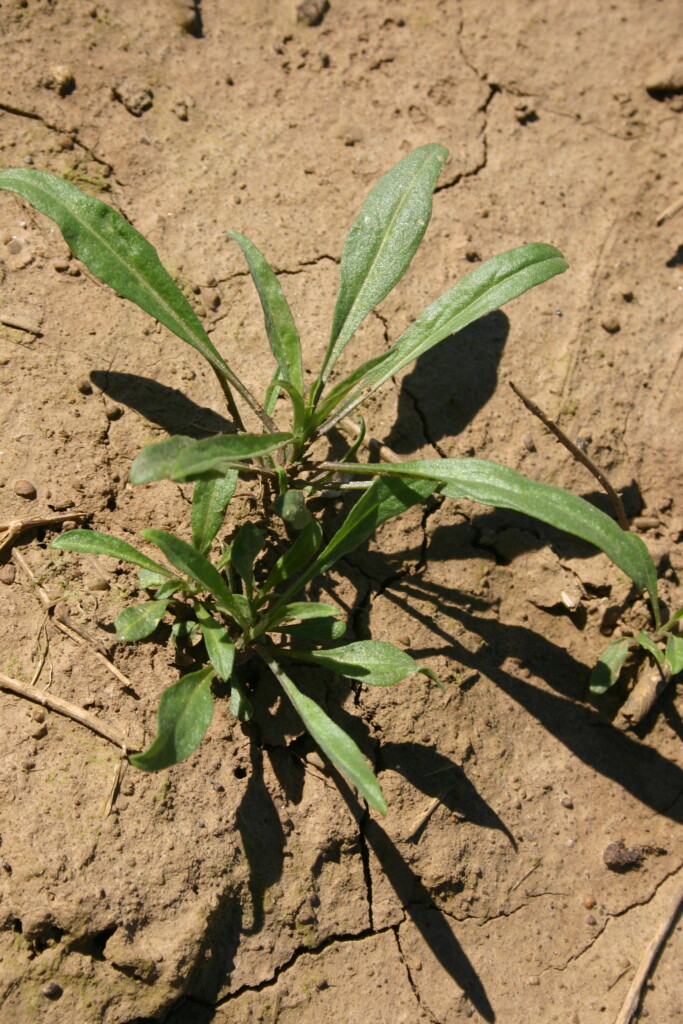
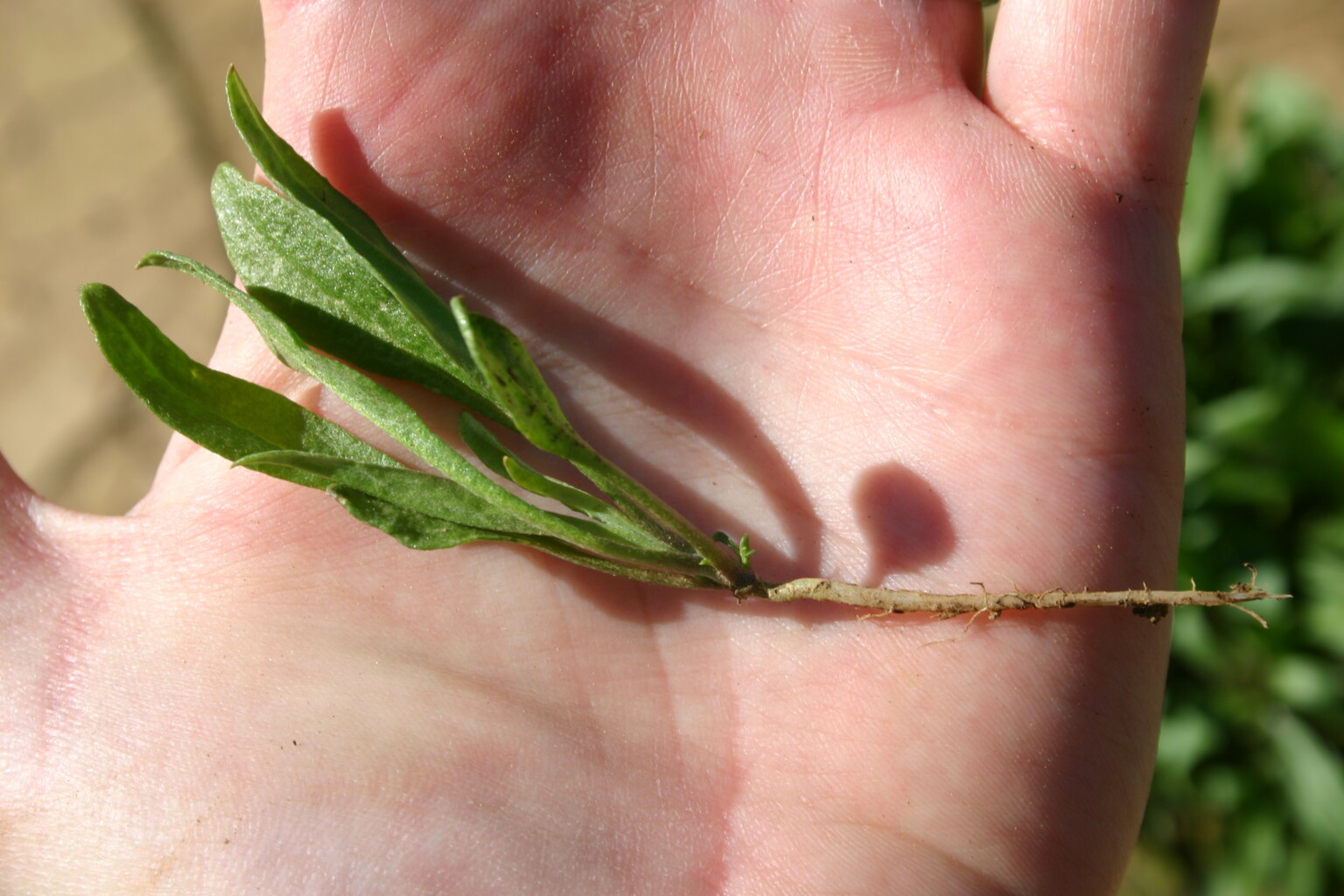
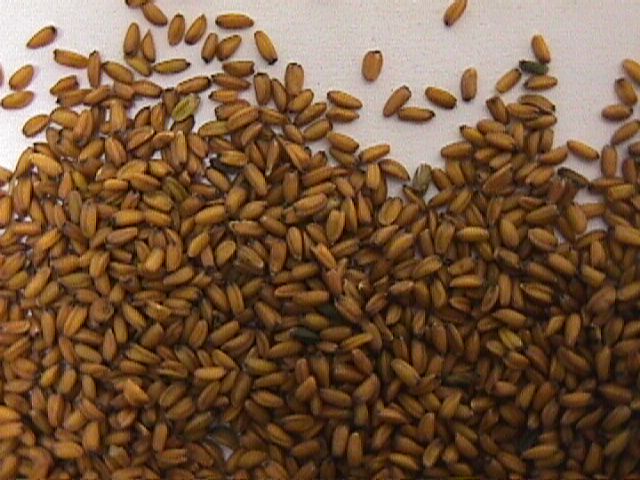
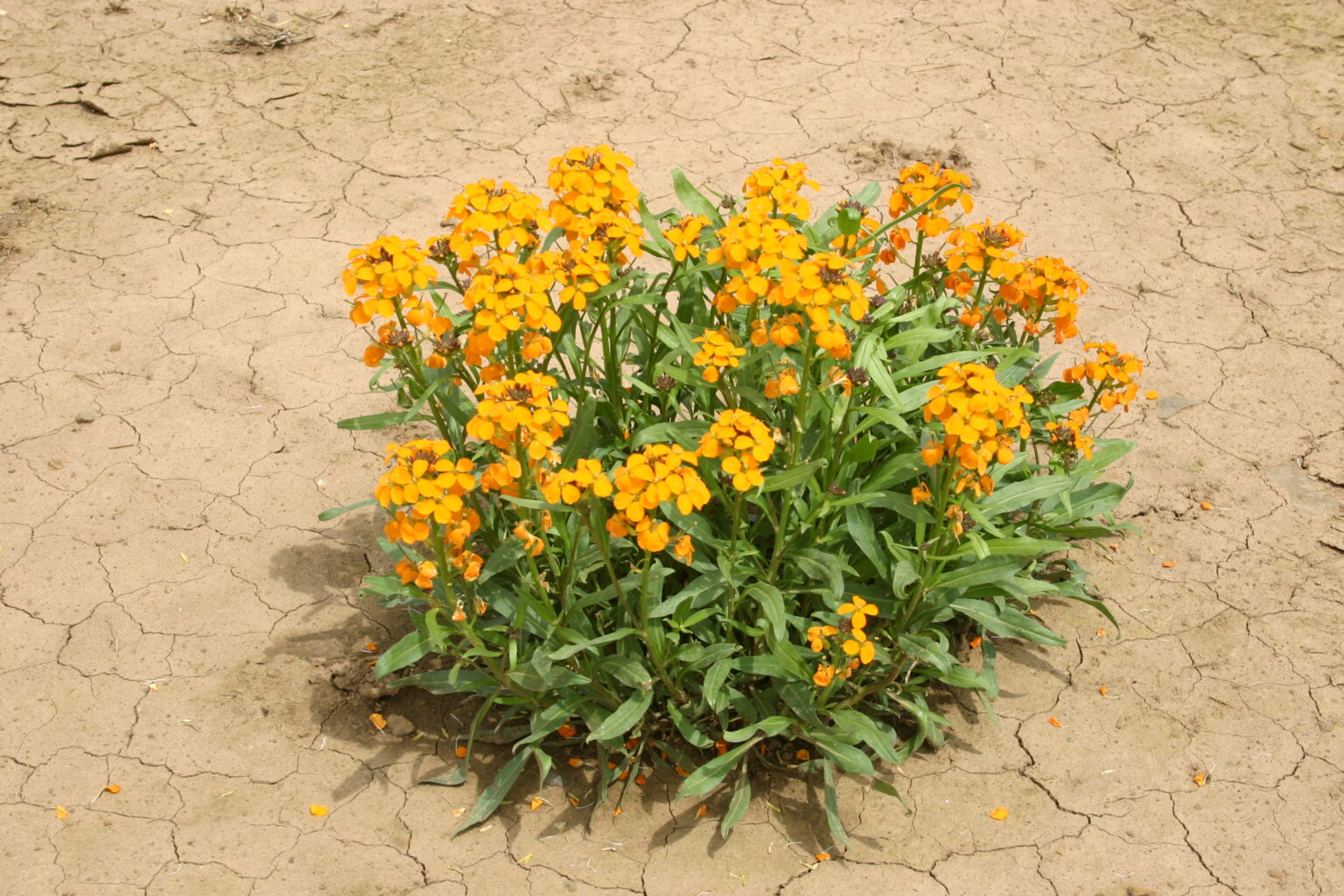
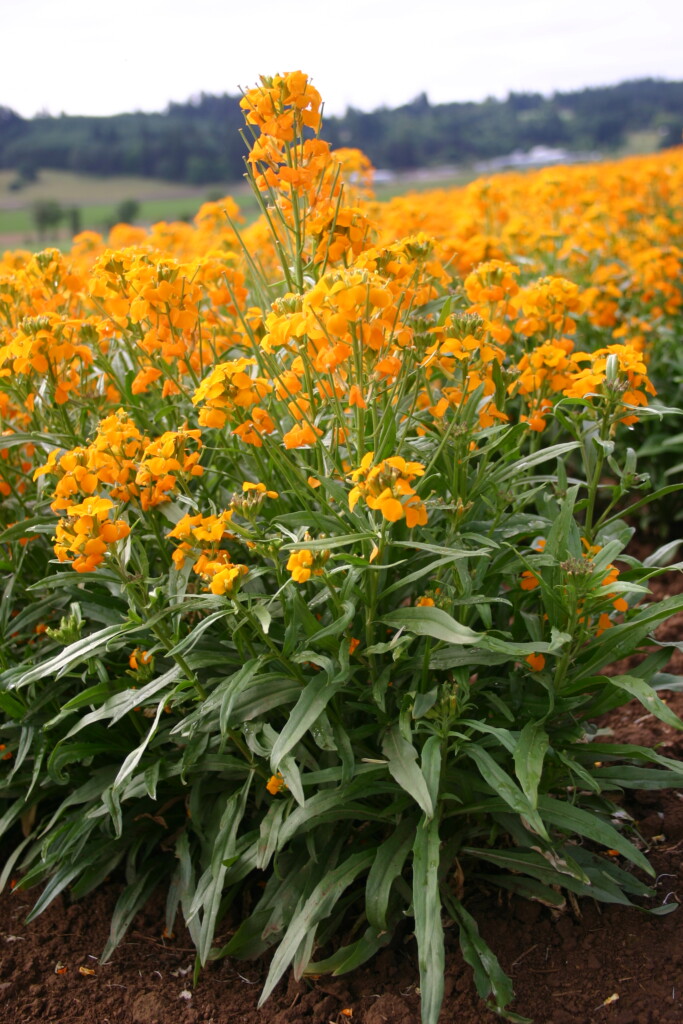
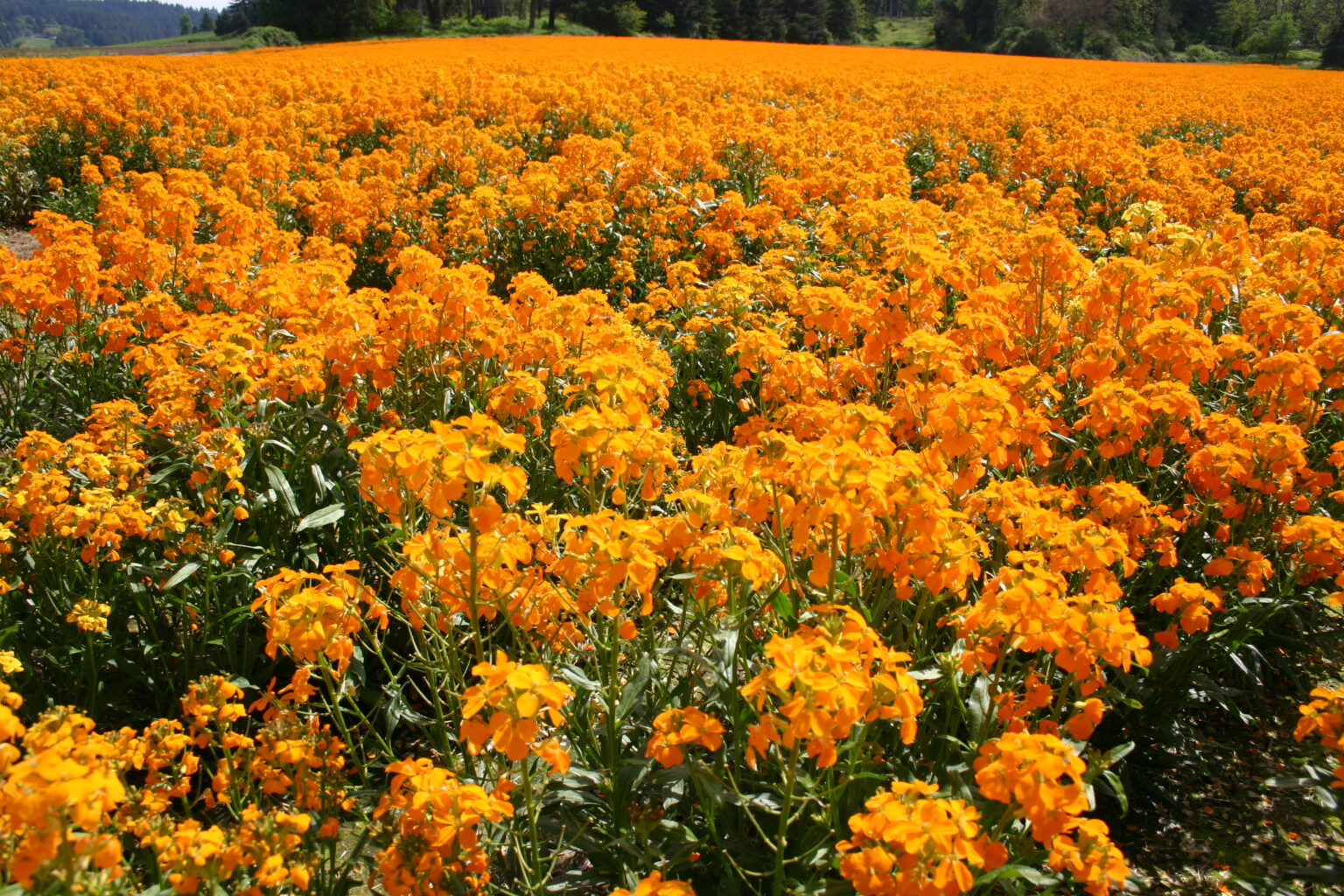
Siberian Wallflower (Cheiranthus allionii) is a colorful, cool-season flower known for its bright orange, yellow, and golden blooms and pleasant fragrance. It is well suited to borders, cottage gardens, rock gardens, naturalized plantings, and other areas where early-season color is desired.
Siberian Wallflower grows best in full sun and well-drained soil. It is adaptable to a variety of soil types but does not perform well in areas that remain consistently wet. Once established, plants can tolerate relatively dry conditions.
Depending on climate and growing conditions, Siberian Wallflower can behave as a biennial or short-lived perennial. Plants generally establish foliage before winter and produce their main display of flowers the following spring.
Pacific Northwest Planting
For gardeners in the Pacific Northwest, fall is the preferred planting season for Siberian Wallflower.
Sow seed directly after the heat of summer has passed and temperatures have cooled. In western Oregon and similar climates, planting later in the fall is preferable to planting too early while temperatures are still warm. This helps reduce the chance of the seed germinating before winter.
Prepare a weed-free planting area and sow the seed on the soil surface. Do not cover the seed deeply, as light is important for germination. Gently press the seed into the soil to provide good seed-to-soil contact.
Provide moisture if fall conditions are dry. Fall sowing allows the seed to experience natural winter conditions and germinate when temperatures become favorable in spring.
Spring Planting
Siberian Wallflower can also be planted in spring, although fall planting is generally the easier option in the Pacific Northwest.
For spring planting, sow the seed on the soil surface and gently press it into the soil without covering it deeply. Because the seed benefits from a period of cold before germination, spring-sown seed can benefit from approximately 30 days of cold, moist stratification before planting.
To cold stratify, mix the seed with a small amount of moist—not wet—sand or another suitable medium and keep it refrigerated for approximately 30 days before sowing.
After planting, keep the seed bed consistently moist during germination and early growth.
Fall Planting
Fall is the recommended planting season for Siberian Wallflower in the Pacific Northwest.
Sow seed directly into a prepared, weed-free planting area after temperatures have cooled. Surface sow the seed and gently press it into the soil. Do not bury it deeply.
Fall planting allows the seed to experience natural winter conditions and provides an opportunity for germination the following spring. This timing works particularly well in the Pacific Northwest, where fall and winter moisture can support establishment.
Choose a well-drained planting location, especially in areas that receive heavy winter rainfall.
Planting in Other Regions
Siberian Wallflower can be grown in a range of climates, but it performs best under cooler growing conditions.
In colder climates, fall planting is a good option where seed can remain dormant through winter. Spring planting is also possible with appropriate cold treatment.
In regions with mild winters, fall planting can be especially effective, allowing plants to establish during the cooler months before flowering in spring.
In warmer climates, plant during the cooler part of the year and provide adequate moisture during germination and establishment. Protection from intense afternoon heat may be beneficial.
Regardless of region, choose a sunny location with well-drained soil and avoid areas that remain wet or waterlogged.
Larger Quantities
For quantities larger than those currently listed for sale, please contact us for availability and pricing.
Seeding Rates
Broadcast seeding rate: 12–15 pounds per acre
Seed drill rate: 6 pounds per acre
| Purchasing Options | Price | Quantity | |
|---|---|---|---|
| Small Packet | $2.50 | ||
Covers approximately 5 square feet. |
|||
| 10 Gram | $3.00 | ||
Covers approximately: |
|||
| 1/4 Pound | $12.00 | ||
Covers approximately: |
|||
| 1 Pound | $24.00 | ||
Covers approximately: |
|||
| Scientific Name | Cheiranthus allionii |
|---|---|
| Product Type | Flower |
| Color | Orange |
| Cycle | Biennial |
| Origin | Introduced species |
| Height | 12-18" |
| Germination Time | 15-30 days |
| Planting Season | Spring, Late Fall |
| Bloom Season | Spring, Summer |
| Weeks to Bloom | 6 to 8 weeks |
| USDA Zone | 3 to 9 |
| Seeds Per Pound | 340,000 |
| Seeding Rate (lb./acre) | 6 |
| Pollen/Nectar | Nectar, Pollen |
| Pollinator(s) | Bumble Bees, Butterflies, Honey Bees, Native Bees |
| Notes | The Siberian Wallflower is a flower native to Europe |