




Fescue – Roemer’s
$2.50 – $450.00Price range: $2.50 through $450.00
TO ORDER & SEE PRICING SCROLL DOWN
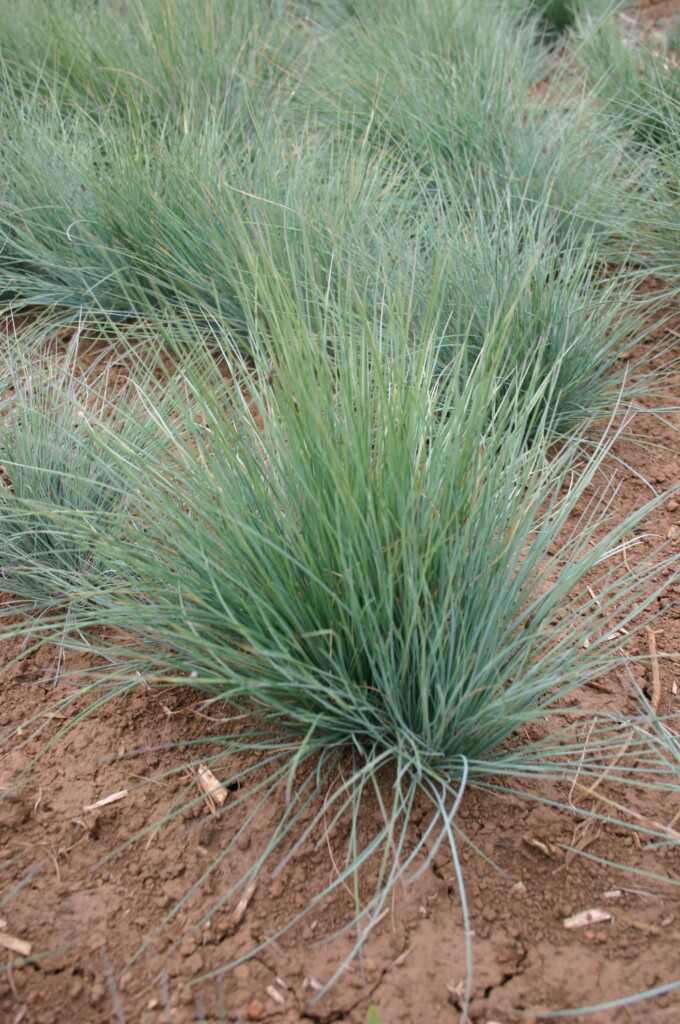
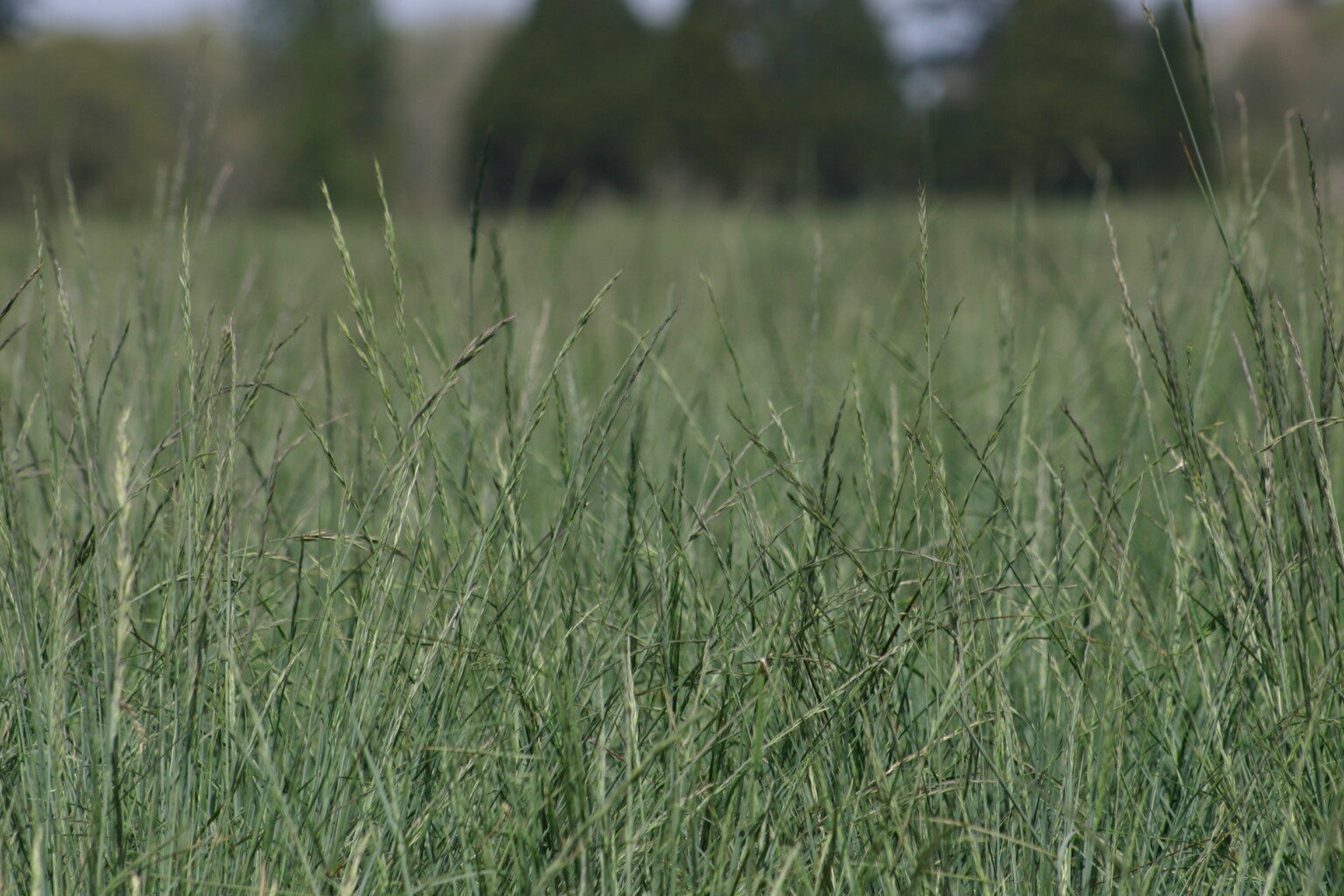
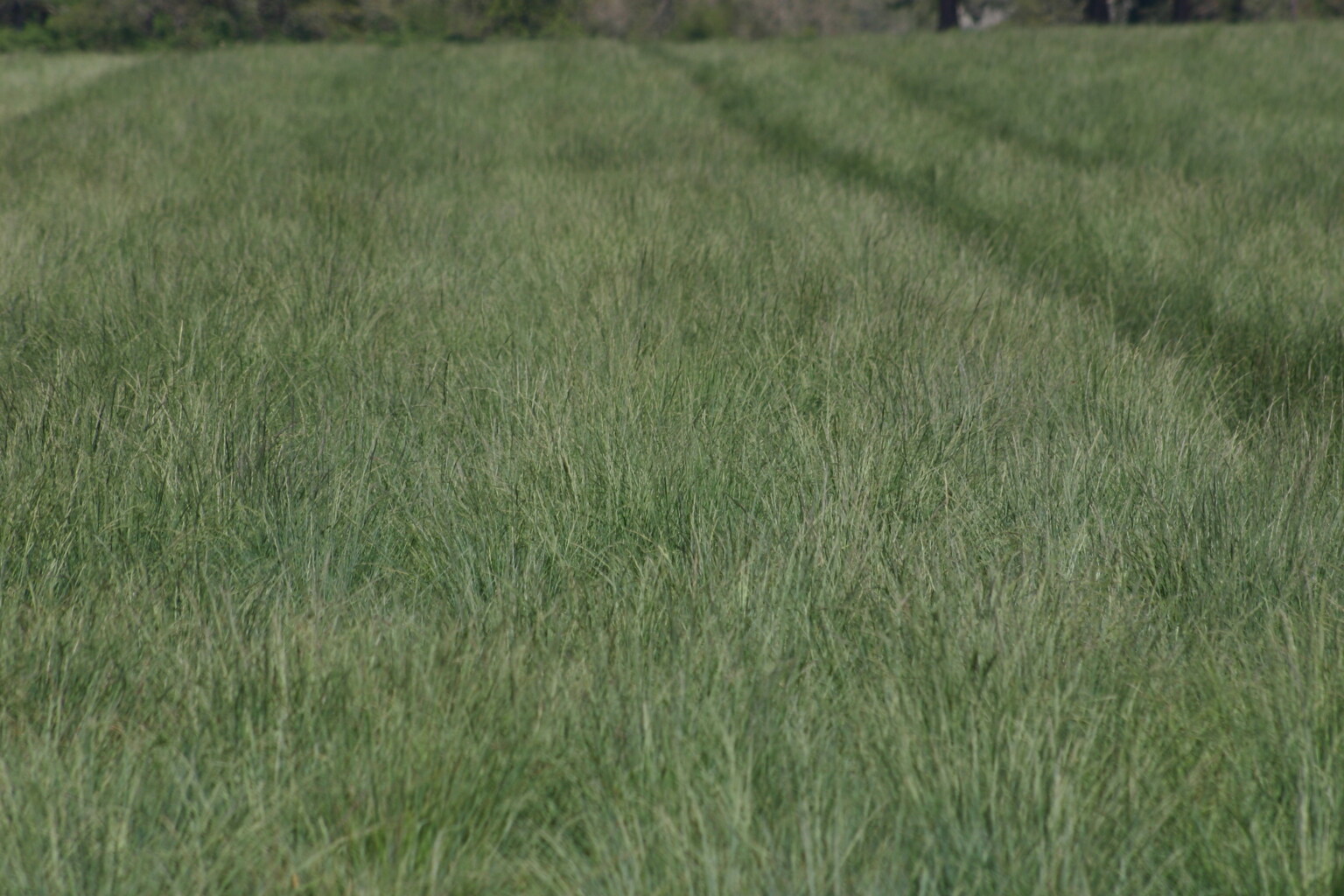
Roemer’s Fescue (Festuca roemeri) is a native, cool-season, long-lived perennial bunchgrass valued for its fine texture, drought tolerance, and usefulness in native prairie, oak savanna, wildlife habitat, erosion control, and restoration plantings.
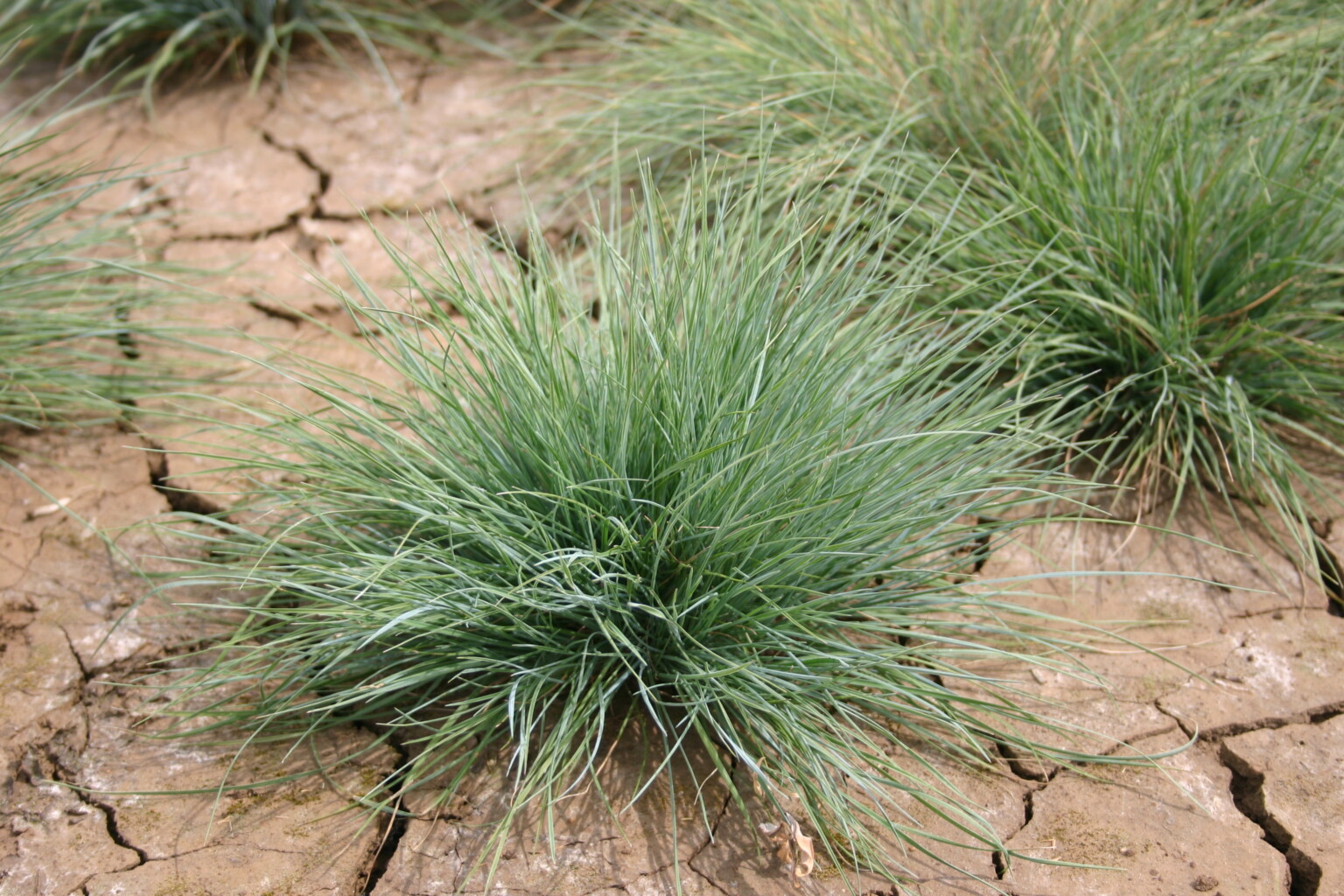
Roemer’s Fescue is a relatively short, fine-textured grass with dense, mostly basal foliage. It generally grows about 14–45 inches tall and forms attractive bunches that work well in native grass and wildflower plantings.
Roemer’s Fescue grows best in full sun but can tolerate partial shade, particularly near forest edges and oak trees. It prefers moderately dry to moist, well-drained soils and is adaptable to moderately acidic through slightly alkaline soils. It does not tolerate prolonged winter soil saturation or flooding.
Roemer’s Fescue develops an extensive root system and is drought tolerant once established. Its relatively non-aggressive growth habit makes it a good companion for native wildflowers and other grasses in restoration plantings.
Roemer’s Fescue is well suited to upland prairie, oak savanna, grassy balds, meadows, wildlife habitat, erosion control, disturbed-site restoration, low-input turf, and native plantings. It can also be used as a cover crop in vineyards and young orchards.
Forage & Livestock
Roemer’s Fescue can provide forage for livestock and wildlife, although its forage value and palatability for livestock are not as well documented as some other native grasses. It is generally most useful as part of a diverse native forage or pasture planting rather than as a stand-alone forage grass.
The grass is most suitable for grazing when actively growing and should be managed to avoid excessive or continuous grazing. Moderate grazing can help maintain plant vigor and persistence.
Roemer’s Fescue also provides food and cover for wildlife, including songbirds, game birds, small mammals, and beneficial insects. Its fine-textured growth and compatibility with native forbs make it particularly useful in wildlife and habitat restoration plantings.
Native Range
British Columbia, Washington, Oregon, and northwestern California.
Pacific Northwest Planting
For gardeners, land managers, and restoration projects in the Pacific Northwest, Roemer’s Fescue is generally planted in the fall.
Fall planting allows the seed to take advantage of cool temperatures and seasonal moisture. Sow seed into a prepared, weed-free planting area and cover the seed lightly.
Choose a site with good drainage. Roemer’s Fescue is adapted to upland conditions and does not tolerate prolonged winter soil saturation or flooding.
Spring planting is also possible, particularly where irrigation or adequate spring moisture is available. In areas with dry summers, fall planting is generally preferred because spring-planted seed may require supplemental moisture during establishment.
Fall Planting
Fall is the preferred planting season for Roemer’s Fescue in much of the Pacific Northwest.
Sow after the heat of summer has passed and temperatures have cooled. Cover the seed lightly and provide moisture if fall conditions are unusually dry.
Roemer’s Fescue seed generally germinates without special treatment. Cold, moist conditions can improve and help synchronize germination.
Fall planting is particularly useful in areas with reliable winter and spring moisture, allowing the grass to establish before the dry summer season.
Spring Planting
Spring planting can also be successful when adequate moisture is available.
Prepare a firm, weed-free seed bed and sow the seed shallowly, making sure the seed has good contact with the soil. Keep the planting area consistently moist during germination and early establishment.
In areas with dry summers, supplemental irrigation may be necessary for spring-planted seed to establish successfully.
Planting in Other Regions
Roemer’s Fescue is best suited to regions within or near its natural range in the Pacific Northwest and northern California.
It performs best in full sun and is adapted to moderately dry to moist, well-drained soils. It can tolerate partial shade but generally becomes less dense as available sunlight decreases.
In regions with wet winters, choose an upland planting site with good drainage. Avoid low areas where water remains saturated for extended periods.
For restoration projects, locally adapted seed sources are preferred when available because populations can be adapted to different climates and elevations within the native range.
Establishment & Long-Term Growth
Roemer’s Fescue is a long-lived perennial that can provide persistent native grass cover once established.
Good seed-to-soil contact and adequate moisture during establishment are important. Keep competing vegetation under control while seedlings are becoming established.
Once established, Roemer’s Fescue is drought tolerant and requires relatively little supplemental water. Its fine-textured, non-aggressive growth habit allows it to coexist well with native wildflowers and other grasses.
Avoid excessive fertilization during establishment because increased fertility can encourage competing weeds.
Choosing the Right Site
Choose a sunny, well-drained planting location with moderately dry to moist soil.
Roemer’s Fescue can grow in fine- to medium-textured mineral soils and tolerates moderately acidic to slightly alkaline conditions.
It is particularly well suited to upland prairie, oak savanna, meadow, and open woodland-edge sites. Avoid areas with prolonged winter saturation, standing water, or flooding.
Larger Quantities
For quantities larger than those currently listed for sale, please contact us for availability and pricing.
Seeding Rates
The broadcast rate for seeding is 24–30 pounds per acre.
The seed drill rate for seeding in rows is 12 pounds per acre.
| Purchasing Options | Price | Quantity | |
|---|---|---|---|
| Small Packet | $2.50 | ||
Covers approximately 5 square feet. |
|||
| 10 Gram | $3.00 | ||
Covers approximately 80 square feet. |
|||
| 1/8 Pound | $12.00 | ||
Covers approximately 450 square feet. |
|||
| 1 Pound | $60.00 | ||
Covers approximately 3,630 square feet. |
|||
| 3 Pound | $136.65 | ||
Covers approximately 10,890 square feet. |
|||
| 5 Pound | $227.75 | ||
Covers approximately 18,150 square feet. |
|||
| 10 Pound Bag | $450.00 | ||
Covers approximately 36,300 square feet. |
|||
| Scientific Name | Festuca roemeri |
|---|---|
| Product Type | Native Grass |
| Color | Green |
| Cycle | Perennial |
| Origin | NW Native species |
| Height | 14-45" |
| Planting Season | Fall |
| Bloom Season | Spring, Summer |
| Seeds Per Pound | 450,000 |
| Seeding Rate (lb./acre) | 12 |
| Light Requirement | Full Sun, Part Sun/Shade |