
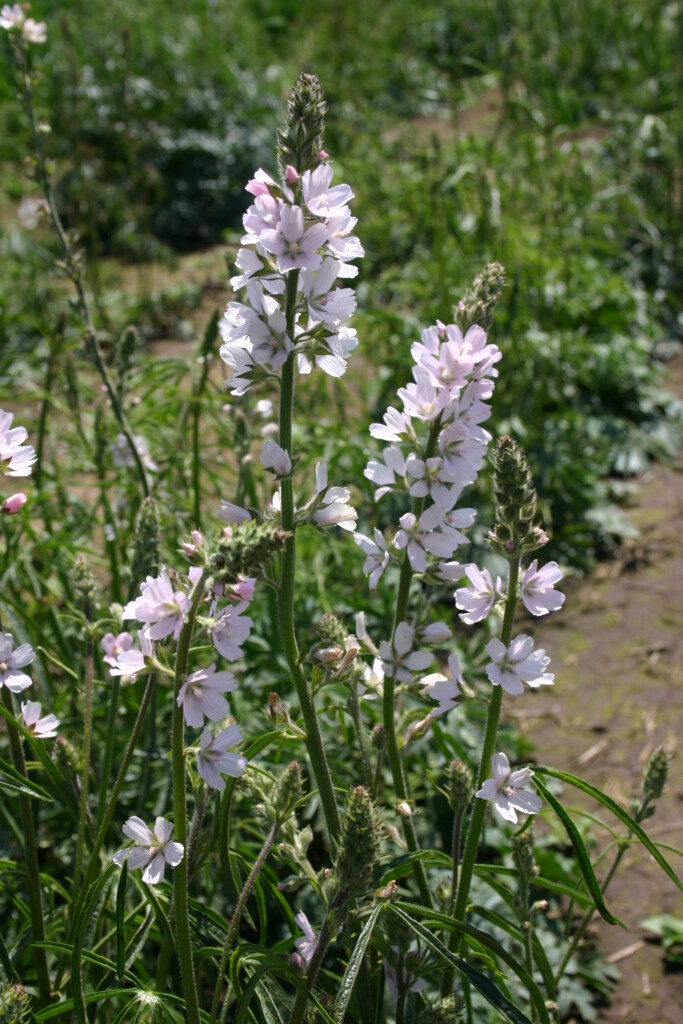
Hollyhock – Tall Wild
$2.50 – $291.00Price range: $2.50 through $291.00
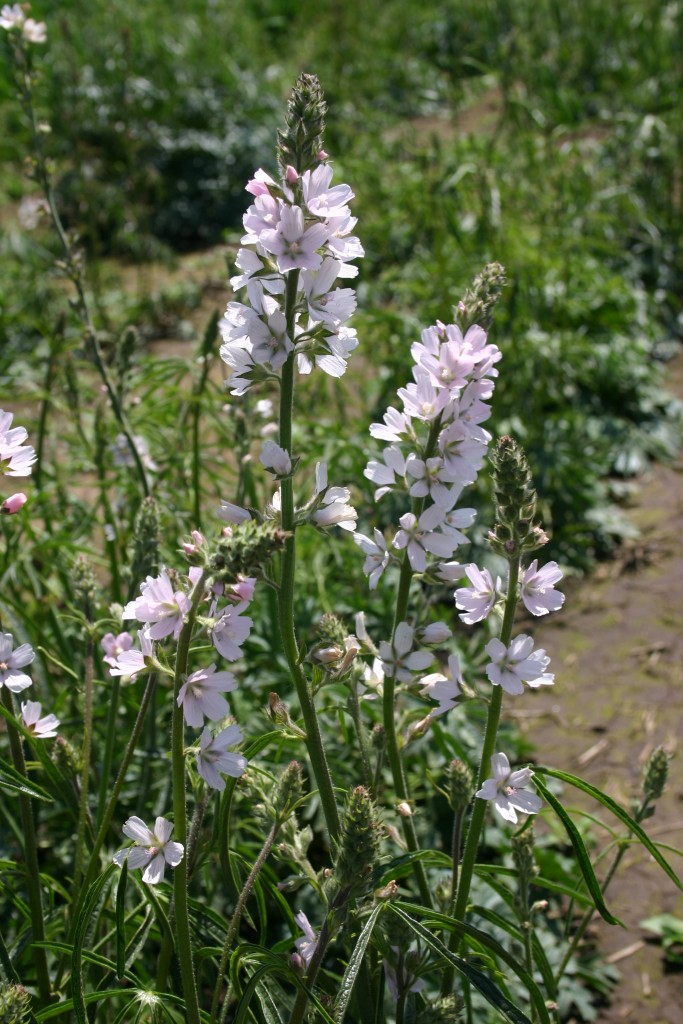
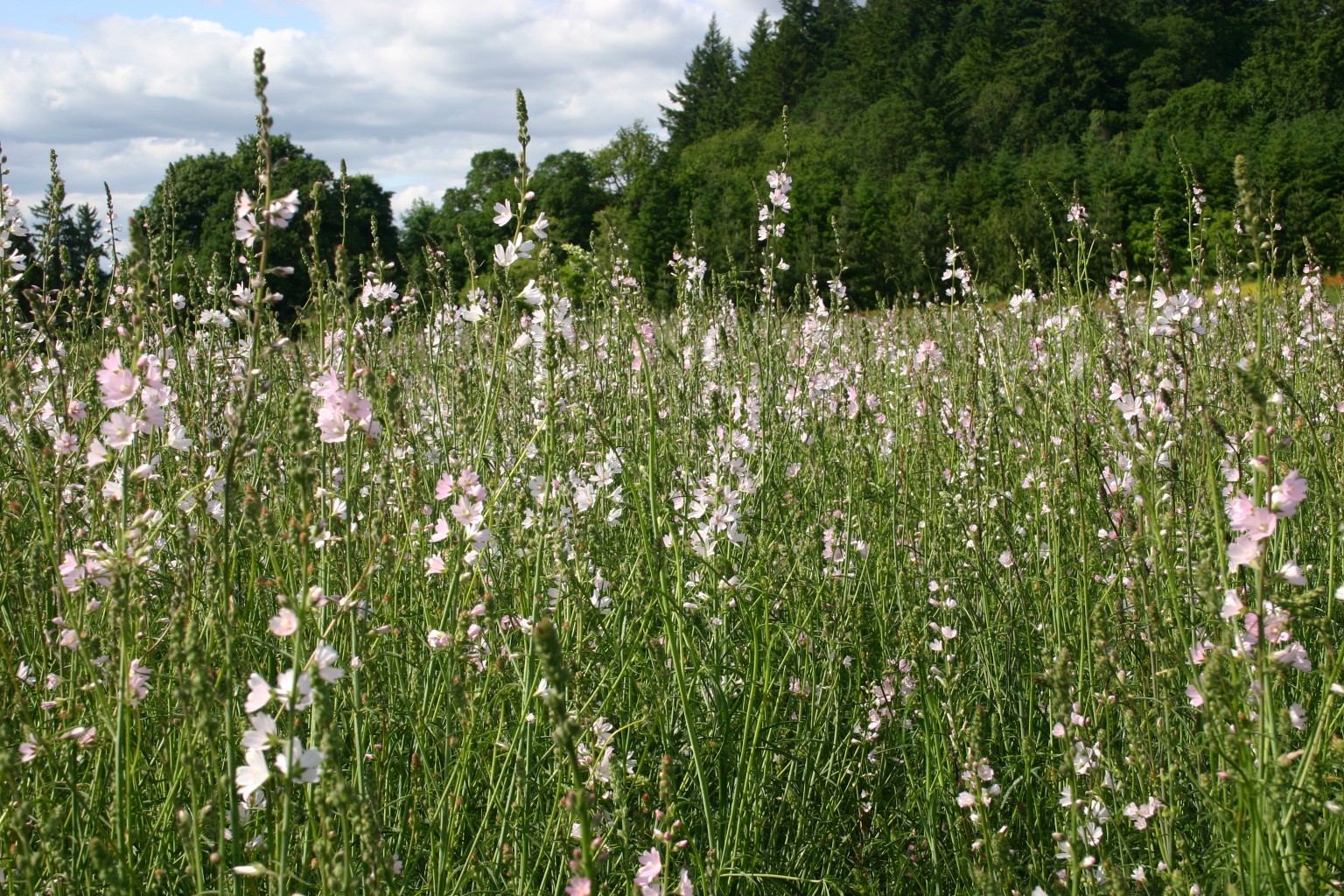
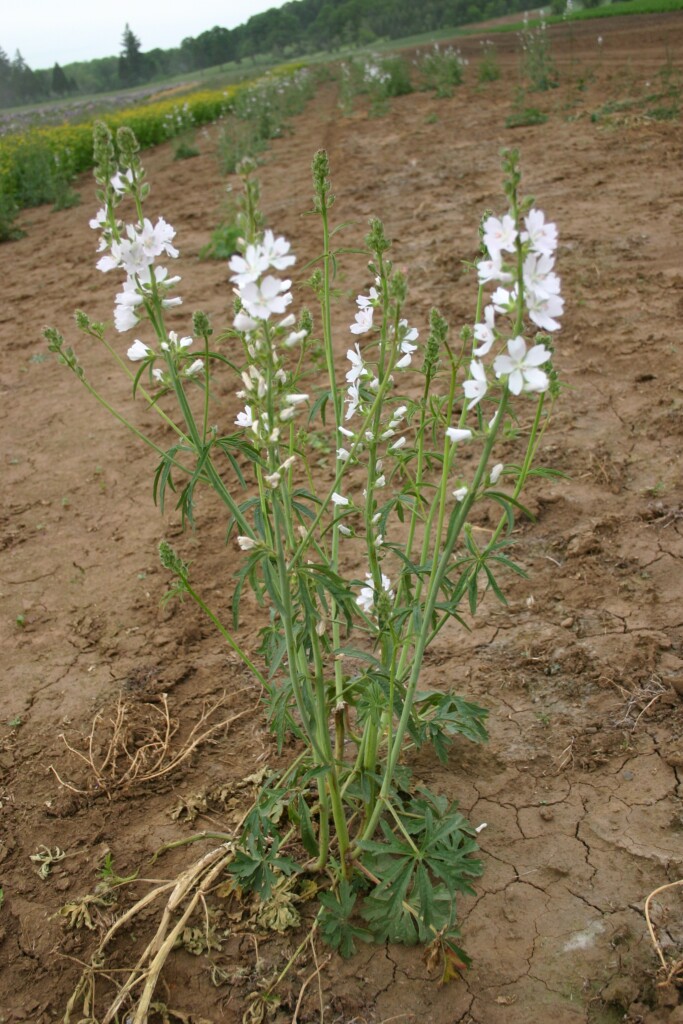
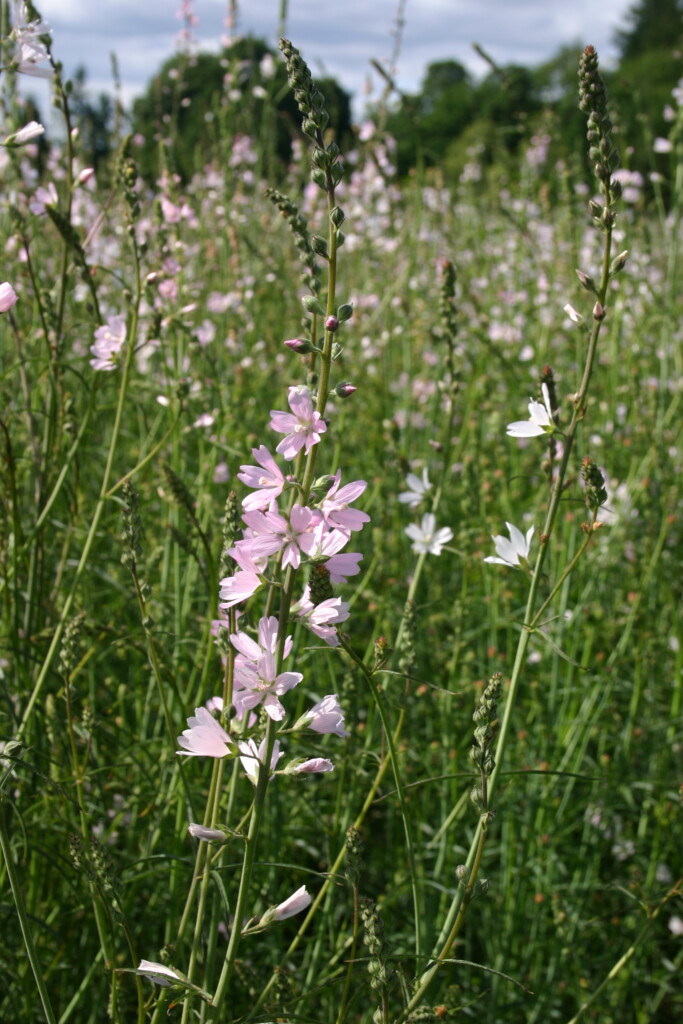
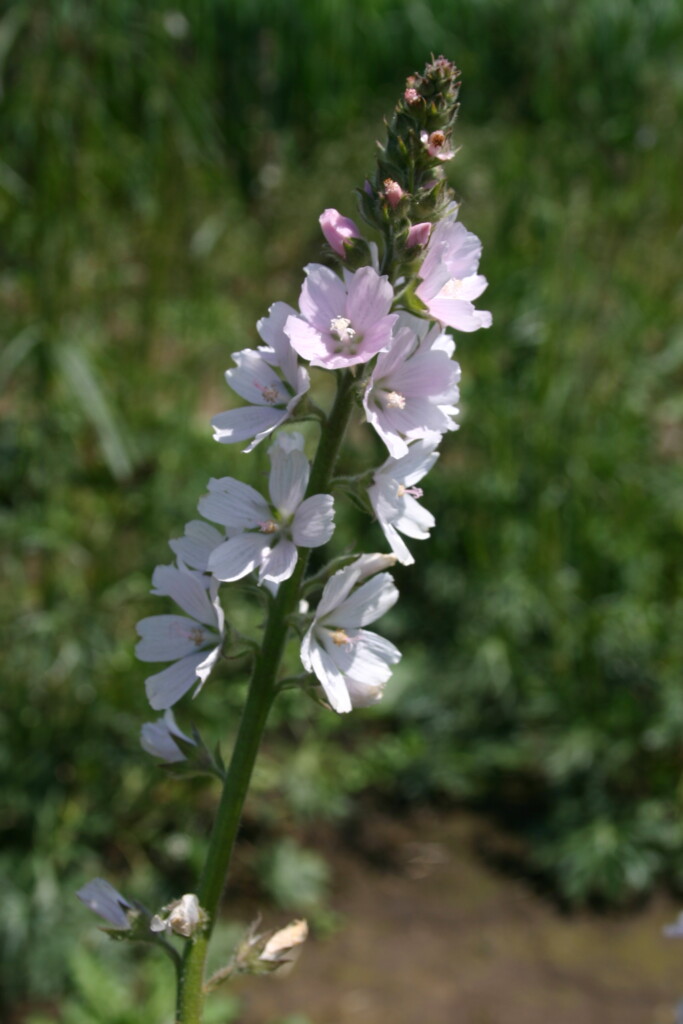
Tall Wild Hollyhock, also known as Meadow Checkerbloom or Meadow Sidalcea (Sidalcea campestris), is a native perennial wildflower found throughout Oregon’s Willamette Valley. It grows naturally along roadsides, in open meadows, and across sunny slopes and hillsides, where it adds soft white to pale-pink blossoms to the summer landscape. The plant produces tall, upright flowering stalks that can reach three to six feet in height once mature, with deeply lobed leaves that give it a graceful, airy appearance.
In the Pacific Northwest, Tall Wild Hollyhock performs best when planted outdoors in the fall. Like many native wildflowers, it relies on a period of cold weather to break dormancy and encourage healthy germination. This natural cold stratification mimics winter conditions in the wild and ensures strong growth once spring arrives. The plant can take time to establish—some may bloom modestly in their second year, while others may take up to three years to reach full size and flowering potential. Once mature, however, it returns reliably year after year with minimal care.
Tall Wild Hollyhock prefers full sun to partial shade and thrives in well-drained soils, including clay and loam. It is drought tolerant once established but also adapts well to areas with seasonal moisture. Beyond its beauty, this native perennial plays an important ecological role. Its flowers attract a wide variety of pollinators, including native bees, butterflies, and other beneficial insects. It is particularly valued as a nectar source for the endangered Fender’s blue butterfly and supports native bee species that depend on Sidalcea plants for survival.
Because Tall Wild Hollyhock is a true perennial, it invests its first year primarily in developing strong roots and foliage rather than producing blooms. This growth pattern is why perennials often cost more than annuals—their life cycle takes longer to produce seed and mature plants—but they reward the gardener with enduring beauty, resilience, and ecological benefit for many years to come.
*Most perennials will not bloom the first year they are planted. They establish a plant the first year and then bloom the second and every year after that. Annuals will give you color the first year you plant them and then can reseed themselves if they like where they are growing. This is why perennials tend to be more expensive. It takes twice as long to get seed off of the plant than an annual when initially planting.
**For larger quantities than listed for sale please contact us for availability and pricing.
The broadcast rate for seeding is 8 – 10 pounds per acre.
The seed drill rate for seeding in rows is 4 pounds per acre.
| Purchasing Options | Price | Quantity | |
|---|---|---|---|
| Small Packet | $2.50 | ||
Covers approximately 5 square feet. |
|||
| 5 Gram | $3.00 | ||
Covers approximately: |
|||
| 1/32 Pound | $12.00 | ||
Covers approximately: |
|||
| 1 Pound | $291.00 | ||
Covers approximately: |
|||
| Scientific Name | Sidalcea campestris |
|---|---|
| Product Type | Native Flower |
| Color | Pink, White |
| Cycle | Perennial |
| Origin | NW Native species |
| Height | 36-48" |
| Bloom Season | Spring, Summer |
| Weeks to Bloom | 5 to 7 weeks |
| USDA Zone | 7 to 9 |
| Seeds Per Pound | 78,000 |
| Seeding Rate (lb./acre) | 4 |
| Pollen/Nectar | Nectar, Pollen |
| Pollinator(s) | Beetles, Birds, Honey Bees |
| Notes | Attract many varieties of Bees and Butterflies |
| Planting Season | Fall |
Related products
-
Poppy – California Perennial
Native Flower, Perennial$2.50 – $48.30Price range: $2.50 through $48.30