




Buttercup – Western
$2.50 – $276.00Price range: $2.50 through $276.00
TO ORDER & SEE PRICING SCROLL DOWN
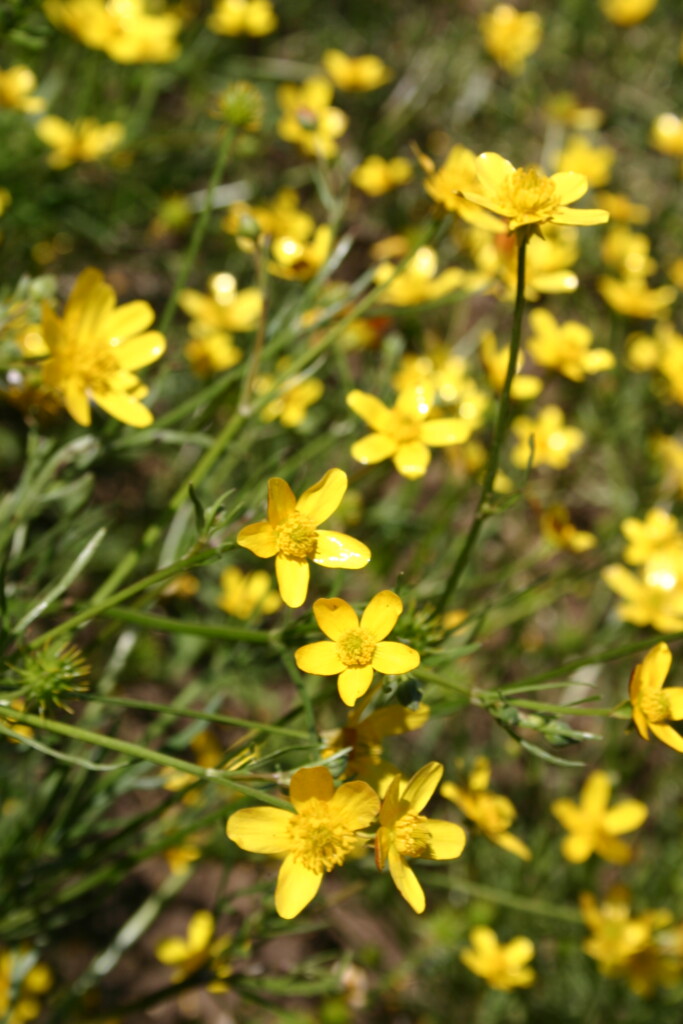
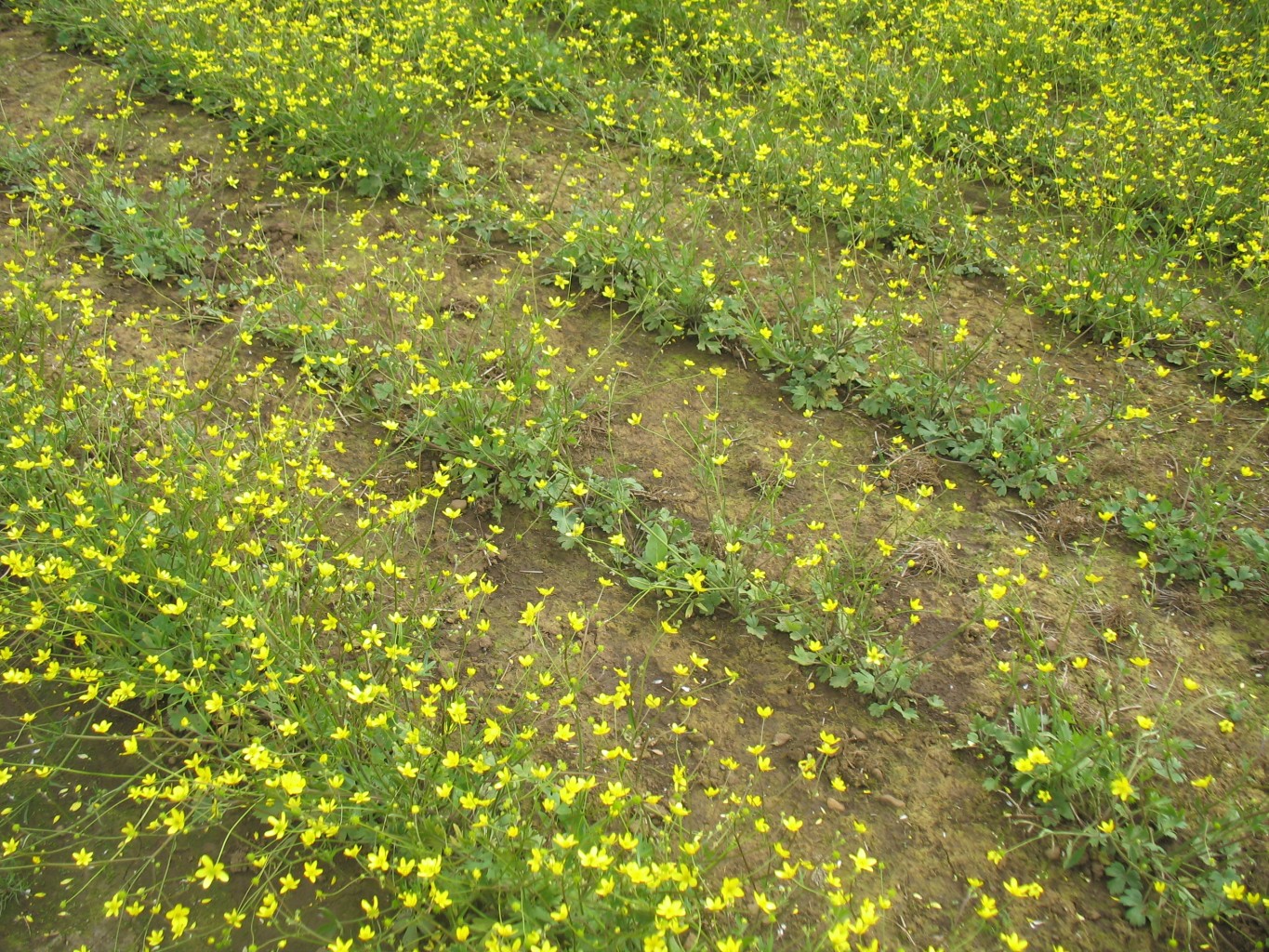
Western Buttercup (Ranunculus occidentalis) is a native, cool-season perennial wildflower valued for its bright yellow, cup-shaped flowers and its ability to thrive in seasonally moist meadows, prairies, forest openings, coastal bluffs, and other native plant communities.
Western Buttercup generally grows 6–30 inches tall and produces bright yellow flowers in early to mid-spring. The flowers provide an attractive burst of color early in the growing season before many summer-blooming native plants begin flowering.
Western Buttercup grows best in full sun to partial shade and prefers seasonally moist, well-drained soils. It is naturally found in a wide range of habitats, from coastal prairies and bluffs to meadows, forest openings, and disturbed areas. Once established, it can tolerate periods of seasonal dryness.
Western Buttercup is well suited to native meadows, prairie plantings, woodland edges, restoration projects, pollinator gardens, wetland margins, coastal gardens, and naturalized landscapes.
The flowers provide pollen and nectar for a variety of native bees and other pollinating insects. Western Buttercup can be a useful early-season component of diverse native wildflower plantings.
Western Buttercup is a perennial and can go dormant during the summer after flowering and producing seed. Plants can re-emerge following fall rains and favorable moisture conditions.
Native Range
Alaska, British Columbia, Washington, Oregon, California, and western Nevada.
Pacific Northwest Planting
For gardeners and restoration projects in the Pacific Northwest, fall planting is generally the preferred method for Western Buttercup.
Sow seed directly into a prepared, weed-free planting area after temperatures have cooled and fall moisture is available.
Western Buttercup seed germinates best under cool conditions. Fall sowing allows the seed to experience the natural temperature and moisture conditions it prefers.
Spring planting can also be attempted, but fall planting is generally more reliable because it provides the cool conditions needed for germination.
Choose a site with good drainage and adequate seasonal moisture. Western Buttercup is well adapted to soils that are moist during the cool growing season but become drier during summer.
Fall Planting
Fall is an excellent planting season for Western Buttercup in the Pacific Northwest.
Sow after the heat of summer has passed and temperatures have cooled. Broadcast the seed over a prepared, weed-free planting area and press it into good contact with the soil.
Do not bury the seed deeply. Good seed-to-soil contact is important for successful establishment.
Western Buttercup seeds are not considered dormant and germinate best at cool temperatures. Natural fall and winter conditions provide the temperature conditions that encourage germination.
Under favorable conditions, seedlings can begin developing during the cool season and flower the following spring.
Choose a location with adequate winter and spring moisture but avoid areas where water remains standing for extended periods.
Spring Planting
Spring planting can also be successful, particularly when seed is sown early while temperatures remain cool.
Prepare a firm, weed-free seed bed and sow the seed shallowly. Press the seed into good contact with the soil rather than covering it deeply.
Keep the planting area consistently moist during germination and early growth.
Because Western Buttercup is a cool-season species, avoid delaying spring planting until temperatures become consistently warm.
Planting in Other Regions
Western Buttercup is best suited to areas with cool, moist growing conditions during the spring and is particularly well adapted to the Pacific Northwest and northern California.
In regions with mild winters, fall planting is generally preferred.
In colder climates, fall planting can still be successful where adequate snow cover or winter protection is available, while early spring planting provides another option.
Western Buttercup performs well in full sun to partial shade. In warmer climates, some afternoon shade can help maintain moisture and reduce heat stress.
Choose a site with seasonal moisture and good drainage. Avoid extremely dry sites unless supplemental water is available during establishment.
Establishment & Long-Term Growth
Western Buttercup is a perennial that can establish relatively quickly under favorable conditions.
Seeds germinate best at cool temperatures, and fall-sown seed can begin growing during the cool season. Plants typically flower during the following spring and then become dormant during the summer after setting seed.
Once established, Western Buttercup is relatively low maintenance.
Keep competing weeds and aggressive grasses under control during establishment. Western Buttercup is not an aggressive species and can be easily outcompeted by dense stands of taller vegetation.
Choosing the Right Site
Choose a full-sun to partially shaded location with seasonally moist, well-drained soil.
Western Buttercup can grow in a variety of soil types and is adapted to both open and partially wooded habitats.
It is particularly well suited to meadows, coastal prairies, woodland edges, forest openings, wetland margins, and other sites that receive adequate moisture during the cool growing season.
Avoid locations with prolonged standing water or extremely dry conditions during the establishment period.
Larger Quantities
For quantities larger than those currently listed for sale, please contact us for availability and pricing.
Seeding Rates
The broadcast rate for seeding is 20–25 pounds per acre.
The seed drill rate for seeding in rows is 10 pounds per acre.
| Purchasing Options | Price | Quantity | |
|---|---|---|---|
| Small Packet | $2.50 | ||
Covers approximately: |
|||
| 5 Gram | $3.00 | ||
Covers approximately: |
|||
| 1/32 Pound | $12.00 | ||
Covers approximately: |
|||
| 1 Pound | $276.00 | ||
Covers approximately: |
|||
| Scientific Name | Ranunculus occidentalis |
|---|---|
| Product Type | Native Flower |
| Color | Yellow |
| Cycle | Perennial |
| Origin | NW Native species |
| Height | 4-20" |
| Weeks to Bloom | 4 to 6 weeks |
| USDA Zone | 4 to 9 |
| Seeds Per Pound | 240,000 |
| Seeding Rate (lb./acre) | 10 |
| Pollen/Nectar | Nectar, Pollen |
| Pollinator(s) | Bats, Bees, Beneficial Insects, Birds |
| Notes | Western Buttercup is native between Alaska, western Washington, Oregon and California |
| Planting Season | Fall |
Related products
-
Northwest Grassland Economy Mix
Native Grass Mix, Perennial$2.50 – $135.00Price range: $2.50 through $135.00 -
Blanketflower – Indian Perennial
Native Flower, Perennial$2.50 – $57.00Price range: $2.50 through $57.00