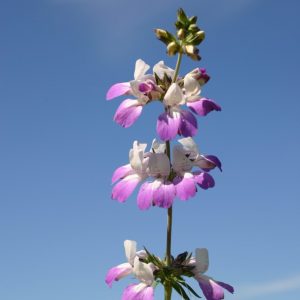


Gilia – Globe
$2.50 – $39.75Price range: $2.50 through $39.75
TO ORDER & SEE PRICING SCROLL DOWN
Globe Gilia (Gilia capitata), also known as Bluehead Gilia or Blue Field Gilia, is an attractive native annual wildflower recognized for its rounded clusters of small blue to lavender flowers. The globe-shaped flower heads are held on slender, upright stems above finely divided foliage. Plants generally grow about 12–28 inches tall.
Globe Gilia grows best in full sun and well-drained soil. It is particularly well suited to sandy, rocky, and relatively dry sites and can tolerate dry conditions once established.
Globe Gilia is well suited to native wildflower meadows, dry grasslands, prairie plantings, restoration projects, pollinator gardens, roadsides, and naturalized landscapes. Its upright growth and distinctive flower heads add color and structure to mixed wildflower plantings.
The flowers attract bumble bees, native bees, flies, butterflies, and beetles.
Globe Gilia is an annual and completes its life cycle within one growing season. After flowering, plants produce seed and die back. Allowing some plants to mature and release seed can encourage natural reseeding in suitable plantings.
Native Range
Western North America, including British Columbia, Washington, Oregon, California, Idaho, and other areas of the western United States.
In the Pacific Northwest, it is native to dry, open areas at lower elevations and occurs from Vancouver Island through California and east to Idaho.
Pacific Northwest Planting
Globe Gilia is well adapted to the Pacific Northwest and can be planted in either fall or early spring.
Fall planting allows the seed to experience natural winter conditions and is a good option where soil can be prepared before winter. Early spring planting works well in colder areas or where fall planting is not practical.
Prepare a firm, weed-free seed bed and broadcast the seed directly onto the soil surface. Press it firmly into good contact with the soil rather than burying it deeply.
Fall Planting
Fall is an excellent planting season for Globe Gilia in much of the Pacific Northwest.
Sow after temperatures have cooled and fall moisture is available. Broadcast the seed evenly over the prepared planting area and press it firmly into the soil surface.
Choose a site with good drainage, particularly in areas receiving substantial winter precipitation.
Spring Planting
Globe Gilia can also be planted in early spring.
Prepare a firm, weed-free seed bed and broadcast the seed onto the soil surface. Press the seed into good contact with the soil and avoid deep burial.
Plant as early as practical while temperatures remain cool. Keep competing weeds under control during germination and early growth.
Planting in Other Regions
Globe Gilia is adaptable to a variety of western growing conditions.
It performs particularly well in full sun, well-drained soils, and sites with limited summer moisture. In warmer or drier regions, it is useful for lower-water wildflower plantings once established.
Avoid poorly drained locations where water remains standing for extended periods.
Establishment & Growth
Globe Gilia establishes best in open areas with limited competition from aggressive grasses and weeds.
Under favorable conditions, plants grow quickly and flower during the same growing season. In the Pacific Northwest, flowering generally occurs during June and July.
Allowing flowers to mature and release seed can help maintain Globe Gilia in naturalized plantings from year to year.
Choosing the Right Site
Choose a location with full sun and well-drained soil.
Globe Gilia is particularly well suited to:
- Native wildflower meadows
- Dry meadows
- Prairie plantings
- Open grasslands
- Pollinator gardens
- Restoration projects
- Roadsides
- Rocky or sandy sites
- Naturalized landscapes
- Low-water wildflower plantings
Its upright form and blue flower heads make it especially useful among shorter or contrasting wildflowers.
Pollinator & Wildlife Value
Globe Gilia provides floral resources for bumble bees, native bees, flies, butterflies, and beetles.
Larger Quantities
For quantities larger than those currently listed for sale, please contact us for availability and pricing.
Seeding Rates
The broadcast rate for seeding is 4–5 pounds per acre.
The seed drill rate for seeding in rows is 2 pounds per acre.
| Purchasing Options | Price | Quantity | |
|---|---|---|---|
| Small Packet | $2.50 | ||
Covers approximately 5 square feet. |
|||
| 10 Gram | $3.00 | ||
Covers approximately: |
|||
| 1/4 Pound | $12.00 | ||
Covers approximately: |
|||
| 1 Pound | $39.75 | ||
Covers approximately: |
|||
| Scientific Name | Gilia capitata |
|---|---|
| Product Type | Native Flower |
| Color | Blue |
| Cycle | Annual |
| Origin | North American Native species |
| Height | 12-36" |
| Germination Time | 20-30 days |
| Planting Season | Spring, Fall |
| Bloom Season | Summer |
| Weeks to Bloom | 7 to 8 weeks |
| USDA Zone | 3 to 10 |
| Seeds Per Pound | 861,820 |
| Pollen/Nectar | Nectar, Pollen |
| Pollinator(s) | Beneficial Insects, Honey Bees, Native Bees, Small Birds |
| Seeding Rate (lb./acre) | 2 |
| Notes | Globe Gilia is native to the Pacific Coast |
| Light Requirement | Full Sun, Part Sun/Shade |
Related products
-
Northwest Grassland Economy Mix
Native Grass Mix, Perennial$2.50 – $135.00Price range: $2.50 through $135.00