

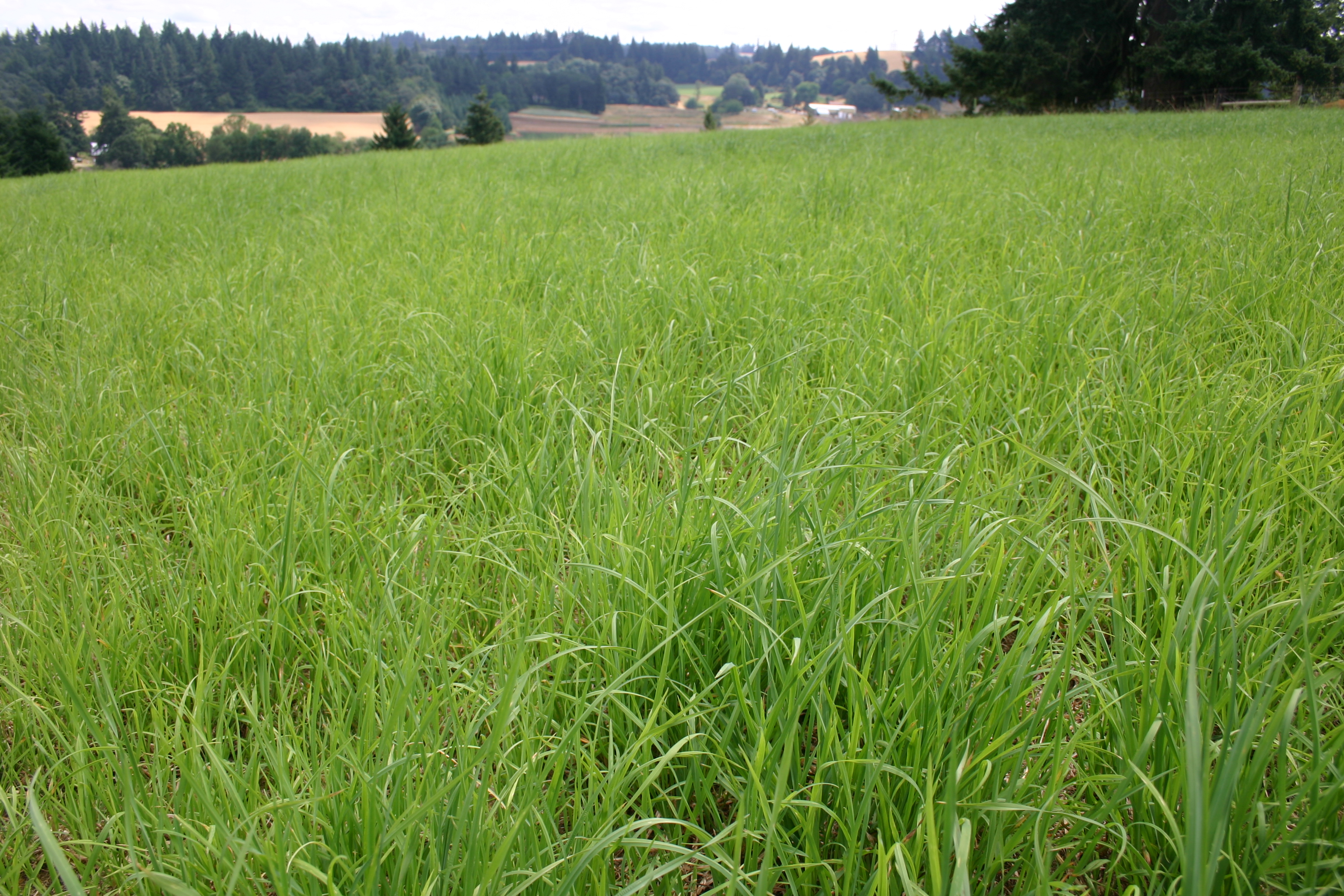
Hay Pasture Mix
$228.75 – $922.50Price range: $228.75 through $922.50
SCROLL DOWN FOR PRICING & BAG SIZING AVAILABLE TO PURCHASE
Hay Pasture Mix
Quality Grass Forage for Hay & Managed Pasture
Hay Pasture Mix is a versatile cool-season grass blend designed primarily for producing high-quality, palatable hay, with the added flexibility of being used for light to moderate grazing.
The combination of orchardgrass, timothy, forage-type tall fescue, perennial ryegrass, and annual ryegrass provides a balanced stand of grasses suited to hay production and well-managed pasture systems.
While this mix is an excellent choice for horse hay, it can also provide valuable forage for goats, sheep, alpacas, llamas, and cattle when managed appropriately.
Seed Mix
- 55% Orchardgrass — A productive perennial grass valued for its palatability, good hay quality, and strong spring growth.
- 25% Timothy — A highly palatable, soft-stemmed grass that is especially popular for horse hay.
- 10% Forage-Type Tall Fescue — Adds durability, strong regrowth, and resilience to the stand.
- 5% Perennial Ryegrass — A palatable, fast-establishing grass that contributes to grazing and hay production.
- 5% Annual Ryegrass — Provides quick seasonal growth and helps fill in the stand.
Seed percentages are approximate and may vary depending on seed availability. Ryegrass and Tall Fescue used in this mix are bred for livestock grazing use and considered ‘Forage Type.’
Which Animals Can Use Hay Pasture Mix?
Horses — Excellent Choice
Hay Pasture Mix is particularly well suited for horse hay. Orchardgrass and timothy provide soft, palatable forage that works well for a quality grass hay program.
It can also be used for horses as a managed pasture, particularly where grazing pressure is kept moderate.
Goats — Good Choice for Managed Grazing
Goats can make good use of the grasses in this mix. It is best suited to managed or rotational grazing rather than continuous, heavy grazing.
Because goats naturally prefer a diverse diet, producers wanting a pasture specifically designed around browsing or a wider variety of forage species may want to consider a more diverse goat-focused mix.
Sheep — Good Choice
This mix can provide quality grass forage for sheep and is well suited to managed grazing systems.
For operations looking for a pasture specifically designed to maximize sheep nutrition or pasture diversity, a mix containing additional forage species may be preferable.
Alpacas & Llamas — Good Choice
The grasses in Hay Pasture Mix can provide suitable forage for alpacas and llamas when pasture is properly managed.
These animals generally do best when grazing pressure is controlled and the pasture is given adequate time to recover between grazing periods.
Cattle — Suitable for Light to Moderate Grazing
Orchardgrass, tall fescue, and ryegrass provide useful forage for cattle. This mix can work well in light to moderate rotational grazing systems.
However, it is not intended as a heavy-use cattle pasture. Operations expecting intensive or continuous grazing may be better served by a pasture blend specifically selected for high grazing tolerance and heavy livestock use.
Best Uses
Hay Pasture Mix is particularly well suited for:
- Horse hay
- Grass hay production
- Hayfields
- Light rotational grazing
- Moderate-use pasture
- Mixed-livestock forage systems
- Cool-season pasture environments
- Irrigated or adequately moist ground
When Is This Mix Not the Best Choice?
Hay Pasture Mix is primarily a hay-oriented grass blend, rather than a heavy-use grazing mix.
It may not be the best choice for:
- Heavy continuous grazing
- High-traffic livestock areas
- Intensive cattle grazing
- Dryland locations with limited summer moisture
- Producers looking for a high-legume or high-protein forage mix
- Pastures requiring exceptional summer grazing persistence
For these situations, a grazing-specific or drought-tolerant pasture blend may be a better fit.
Animal Suitability at a Glance
| Animal | Suitability | Recommended Use |
| Horses | ⭐⭐⭐⭐⭐ Excellent | Hay & light grazing |
| Goats | ⭐⭐⭐⭐ Good | Managed/rotational grazing |
| Sheep | ⭐⭐⭐⭐ Good | Managed/rotational grazing |
| Alpacas & Llamas | ⭐⭐⭐⭐ Good | Managed grazing |
| Cattle | ⭐⭐⭐ Good | Light to moderate rotational grazing |
Why Choose Hay Pasture Mix?
Hay Pasture Mix offers a practical combination of palatability, hay quality, establishment, and dependable cool-season forage production.
Its grass-based composition makes it an excellent option for customers primarily interested in producing quality hay, particularly for horses, while still providing useful forage for a variety of livestock.
Best overall fit: horse hay and well-managed, light to moderate grazing systems.
Livestock nutritional requirements vary by animal, age, production stage, and overall diet. Pasture and hay should be evaluated as part of the animal’s complete feeding program.
This mix can work well in irrigated hayfields and pastures, but not as a dryland pasture mix for Eastern Oregon.
Recommended use:
- Good for irrigated hay production
- Good for irrigated pasture
- Suitable where dependable irrigation is available
- Not recommended for high-production dryland summer forage
Irrigation Requirements
Hay Pasture Mix is not a zero-irrigation mix if the goal is to maintain active summer growth.
How much water it requires depends heavily on location, soil type, weather, irrigation system, and whether you’re growing primarily for hay or grazing.
General Irrigation Guide
| Region | Irrigation Need | Overall Fit |
| Western Oregon | Low–Moderate | ⭐⭐⭐⭐⭐ |
| Southern Oregon | Moderate–High | ⭐⭐⭐⭐ |
| Central Oregon | Moderate–High | ⭐⭐⭐⭐ |
| Eastern Oregon | High for summer production | ⭐⭐⭐ |
These are general regional guidelines rather than fixed irrigation schedules. Soil type can make a substantial difference. Sandy soils generally require more frequent irrigation because they hold less water, while heavier soils can go longer between applications.
Planting Information
Drilled: 12 lbs. per acre
Broadcast: 24–30 lbs. per acre
Preferred Soil Temperature: 50–65°F when planting seeds
For best establishment, prepare a firm, well-prepared seedbed and plant when soil moisture and temperatures are favorable. Once established, proper grazing management is important for maintaining a healthy, productive stand.
| Purchasing Options | Price | Quantity | |
|---|---|---|---|
| 25 Pound Bag | $228.75 | ||
Covers approximately 90,750 square feet. |
|||
| 50 Pound Bag | $375.00 | ||
Covers approximately 181,500 square feet. |
|||
| 150 Pound | $922.50 | ||
Covers approximately 544,500 square feet. |
|||
| Product Type | Forage/Pasture Grass, Grass Mix |
|---|---|
| Cycle | Perennial |
| Seeding Rate (lb./acre) | 12 |
| Color | Green |
Related products
-
Northwest Grassland Economy Mix
Native Grass Mix, Perennial$2.50 – $135.00Price range: $2.50 through $135.00 -
Upland Savanna Economy Mix
Flower Mix, Native Flower, Native Grass, Native Grass Mix, Perennial$2.50 – $195.00Price range: $2.50 through $195.00 -
Hay Seed Pasture King
Forage Legume, Forage/Pasture Grass, Grass Mix, Perennial$228.75 – $922.50Price range: $228.75 through $922.50 -
Hay Seed Forager
Forage/Pasture Grass, Grass Mix, Perennial$247.85 – $999.00Price range: $247.85 through $999.00