
Sweet William – Mix
$2.50 – $42.00Price range: $2.50 through $42.00
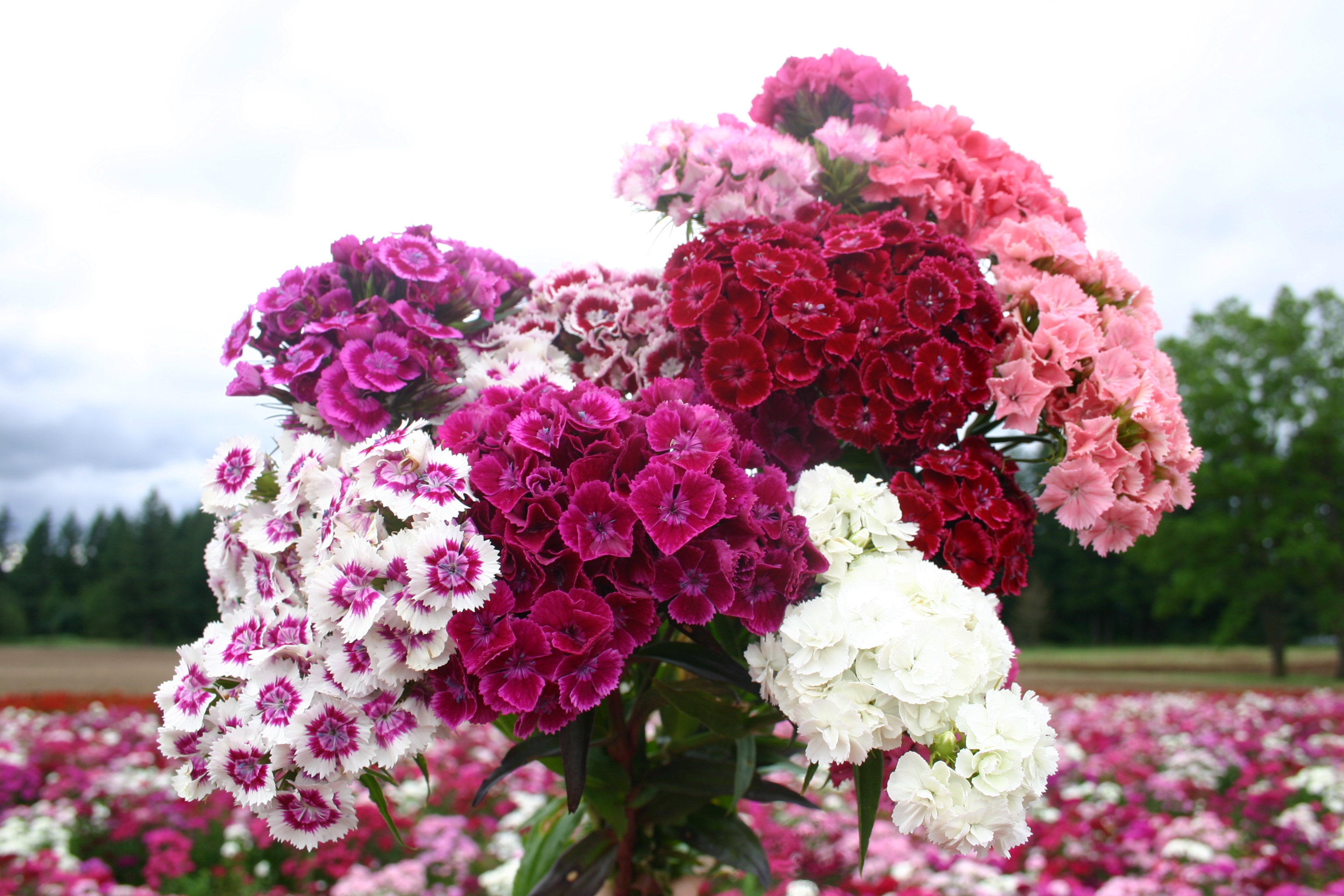
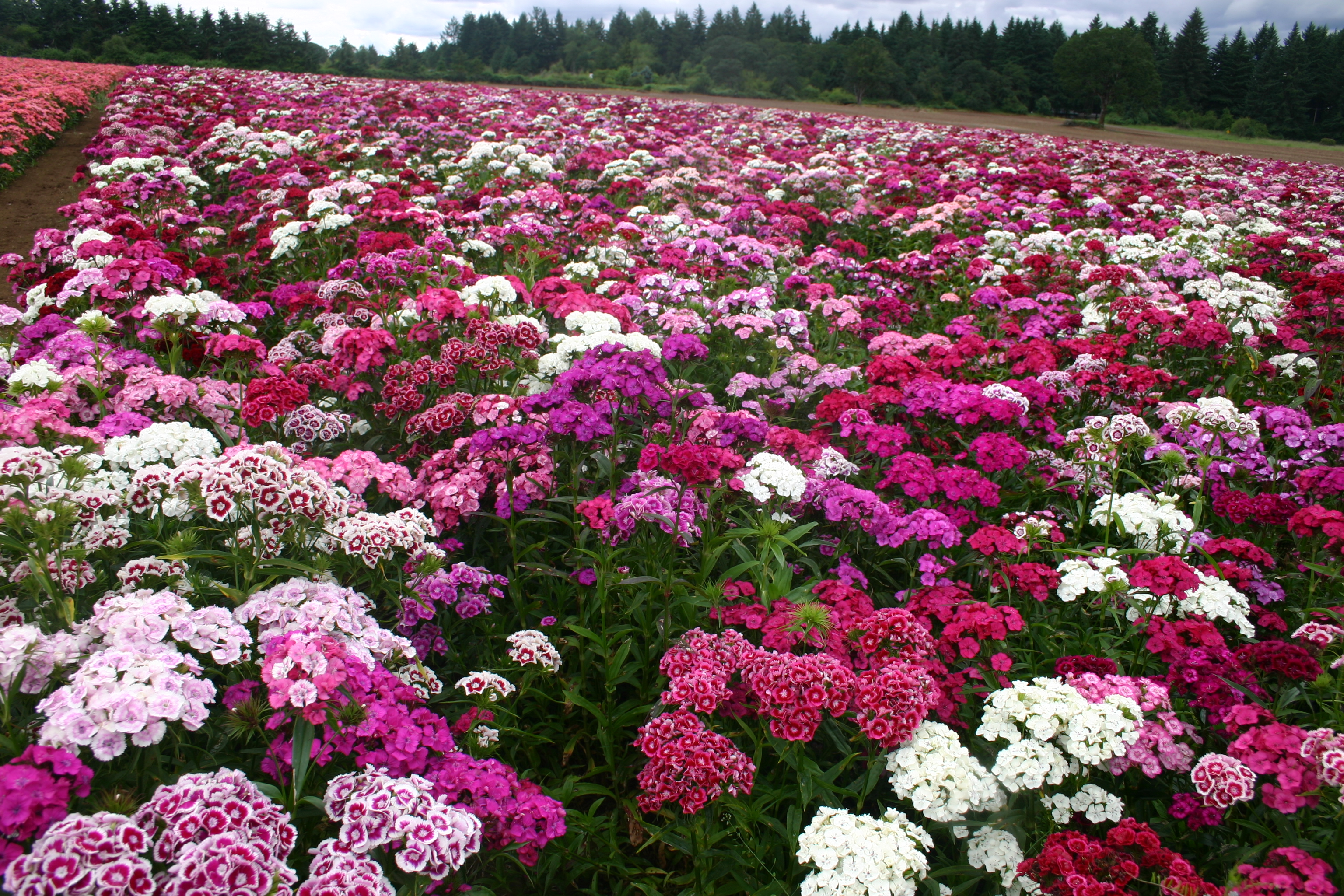
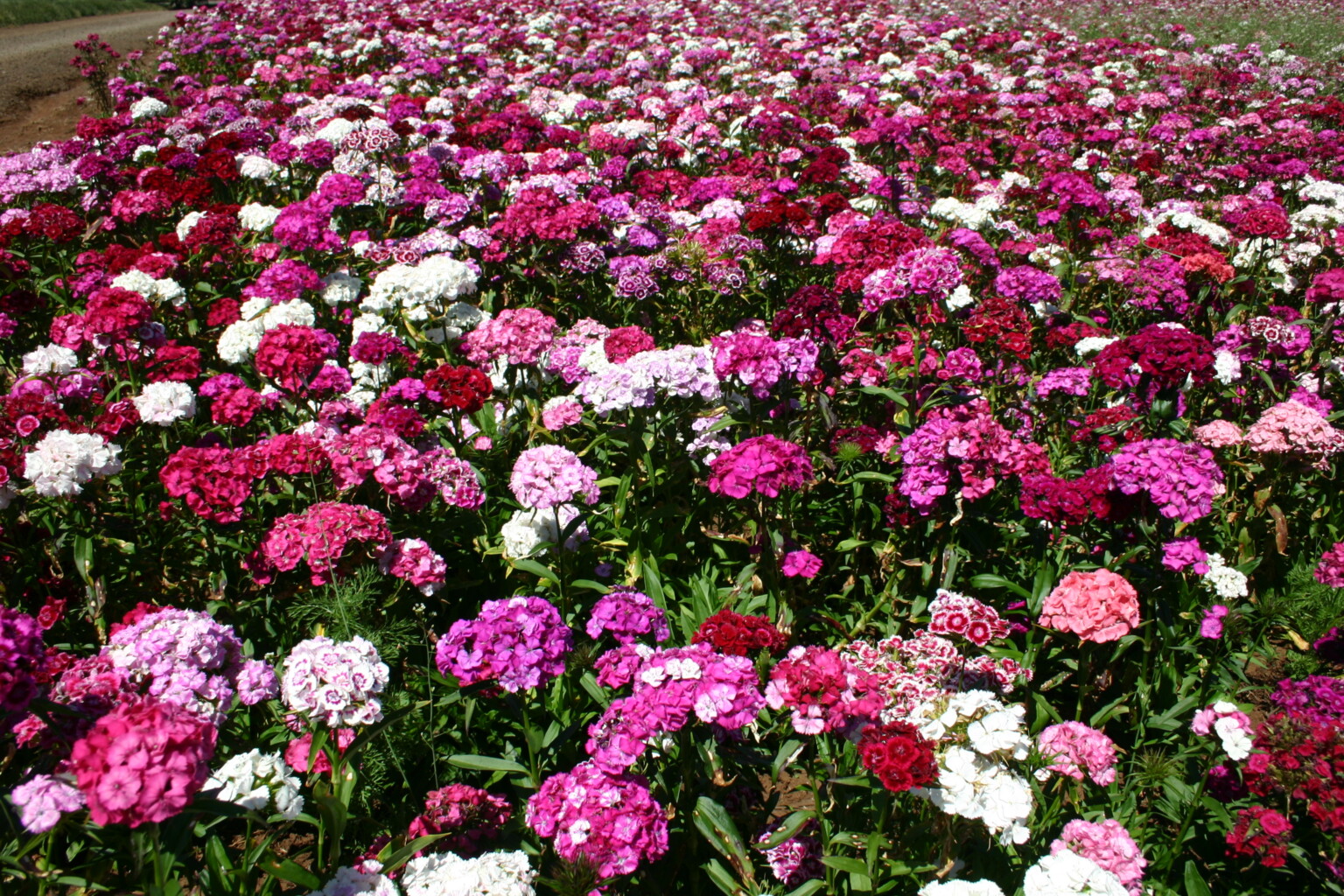
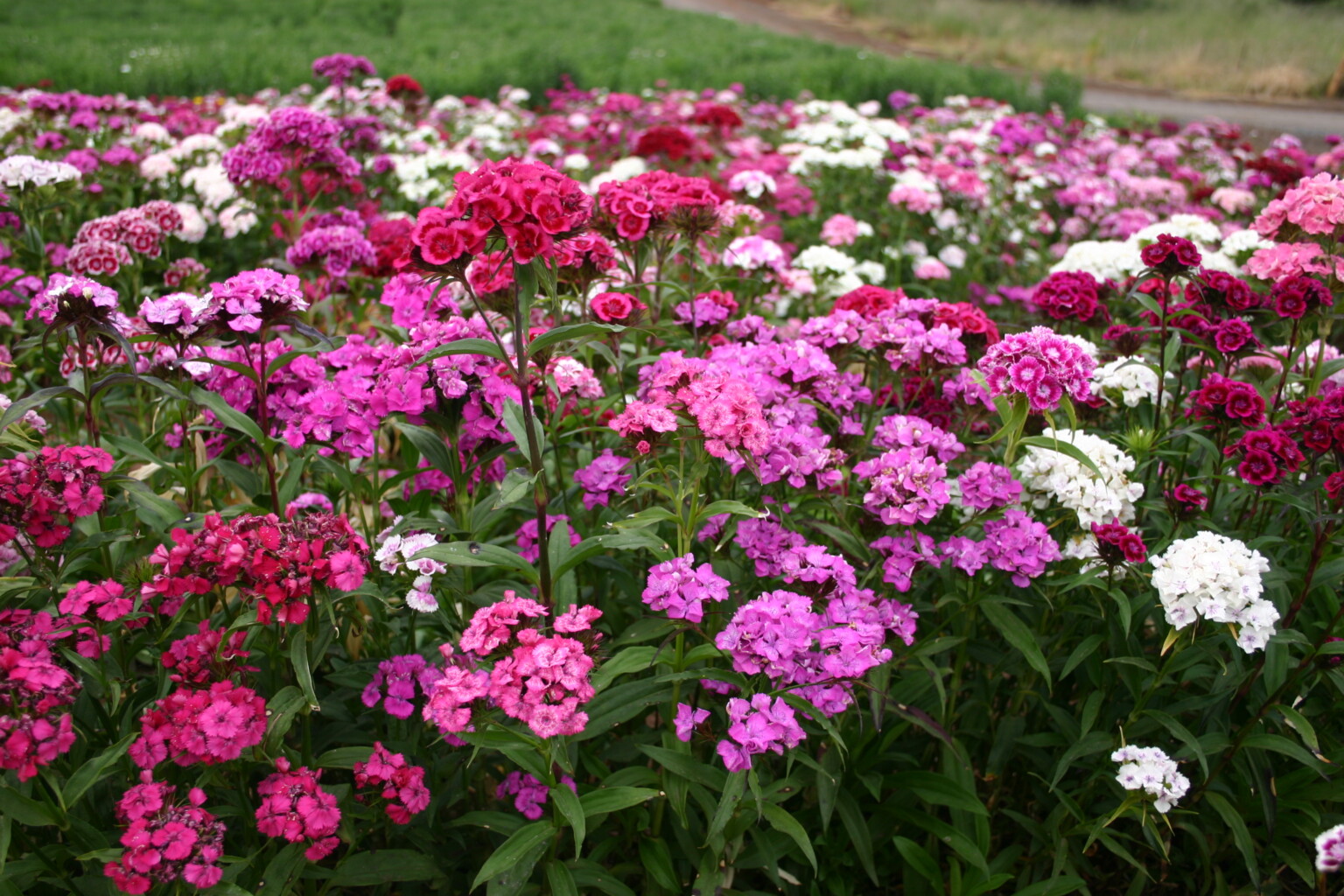
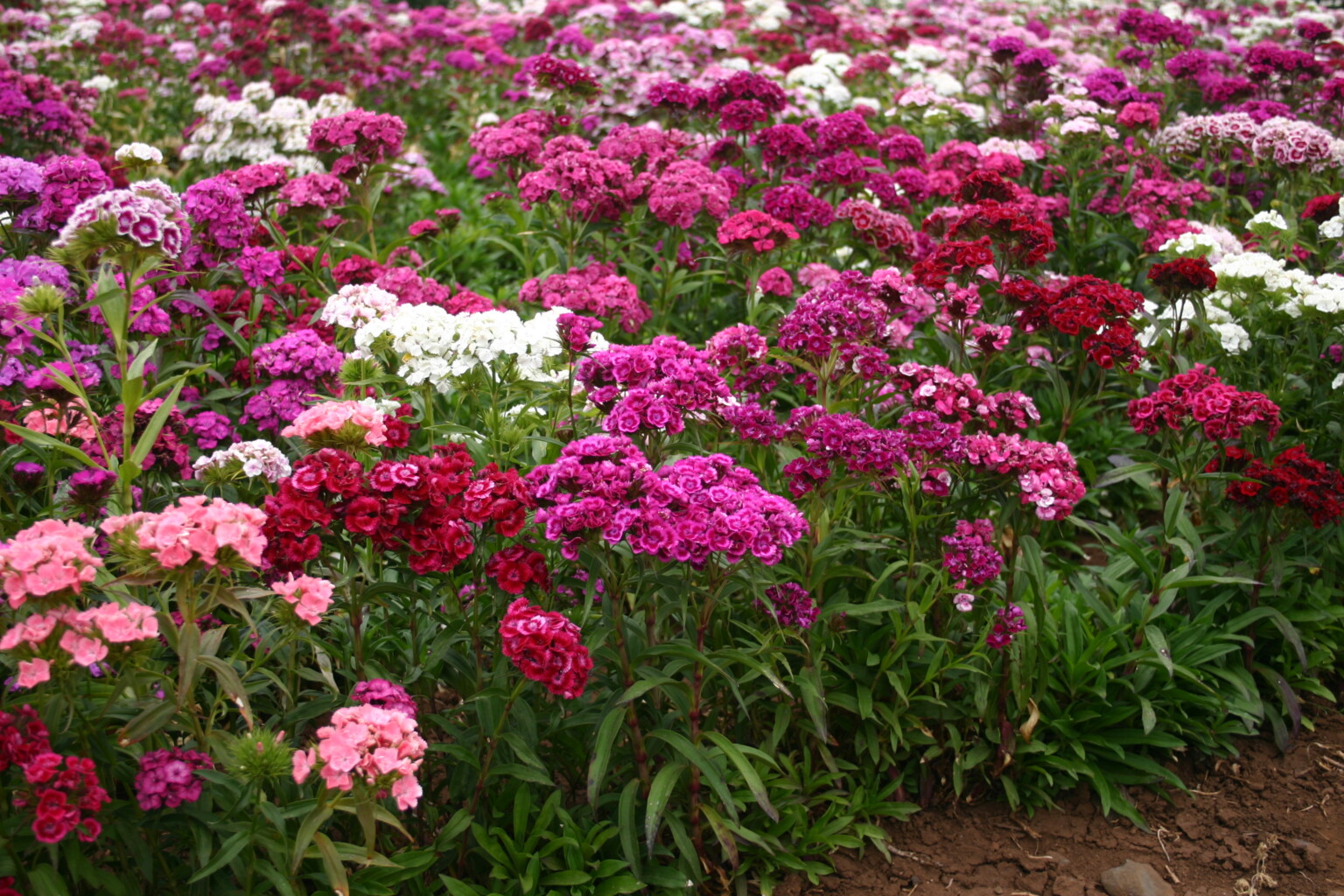
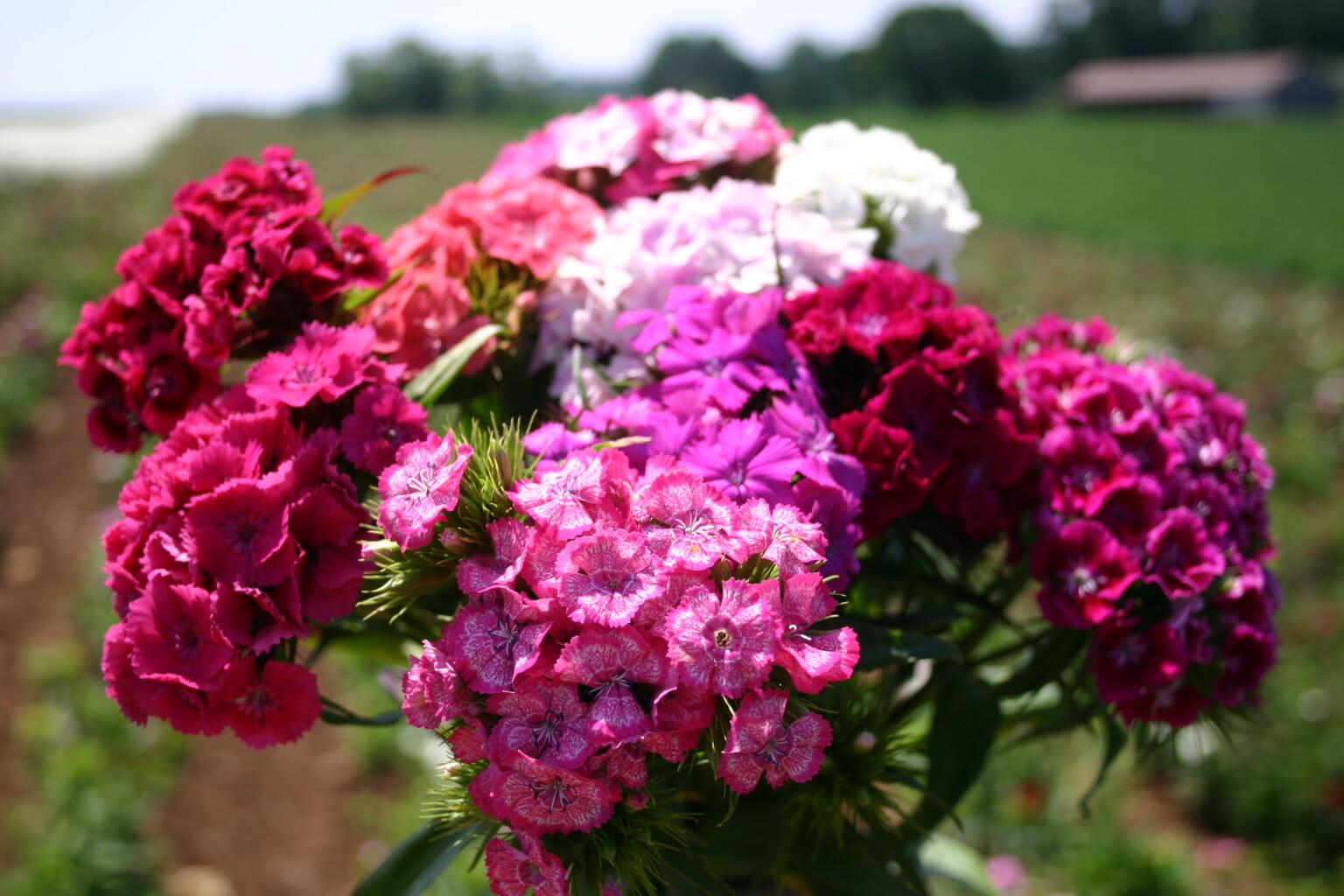
Sweet William (Dianthus barbatus), a charming relative of the carnation, is a fragrant biennial or short-lived perennial that thrives in moist, cooler climates. This vibrant mix features shades ranging from soft pink to deep red, offering a colorful display in borders, mass plantings, or cottage-style gardens.
Sweet William prefers full sun to partial shade and well-drained soils, and it does not tolerate heavy, acidic soils or prolonged heat. Its sweet fragrance and long-lasting blooms make it an excellent choice for cut flowers, brightening both garden beds and indoor arrangements.
Ideal for adding color and texture to sunny borders, rock gardens, or mixed flower beds, Sweet William combines classic beauty with easy care, making it a favorite among gardeners looking for both visual appeal and scent.
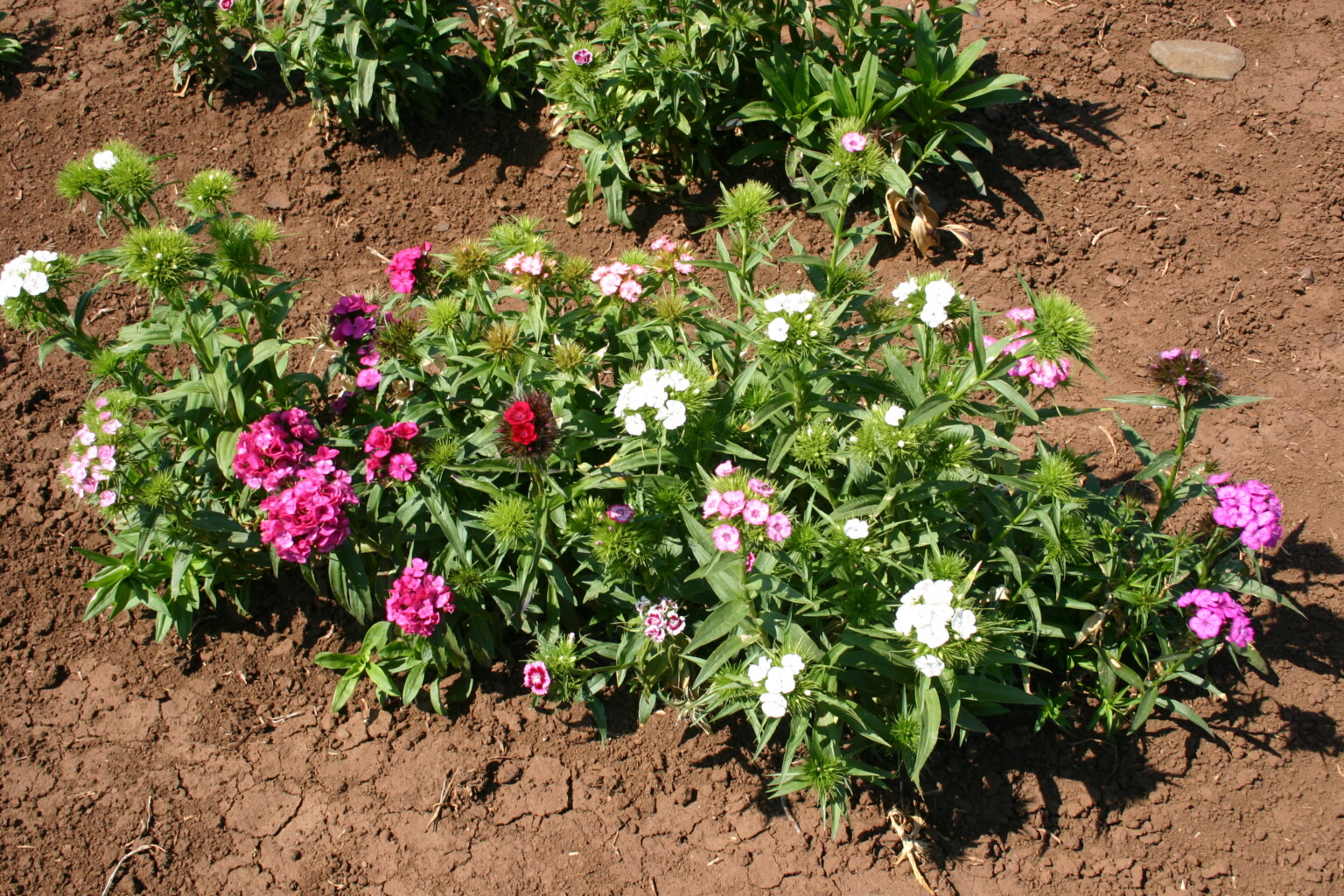
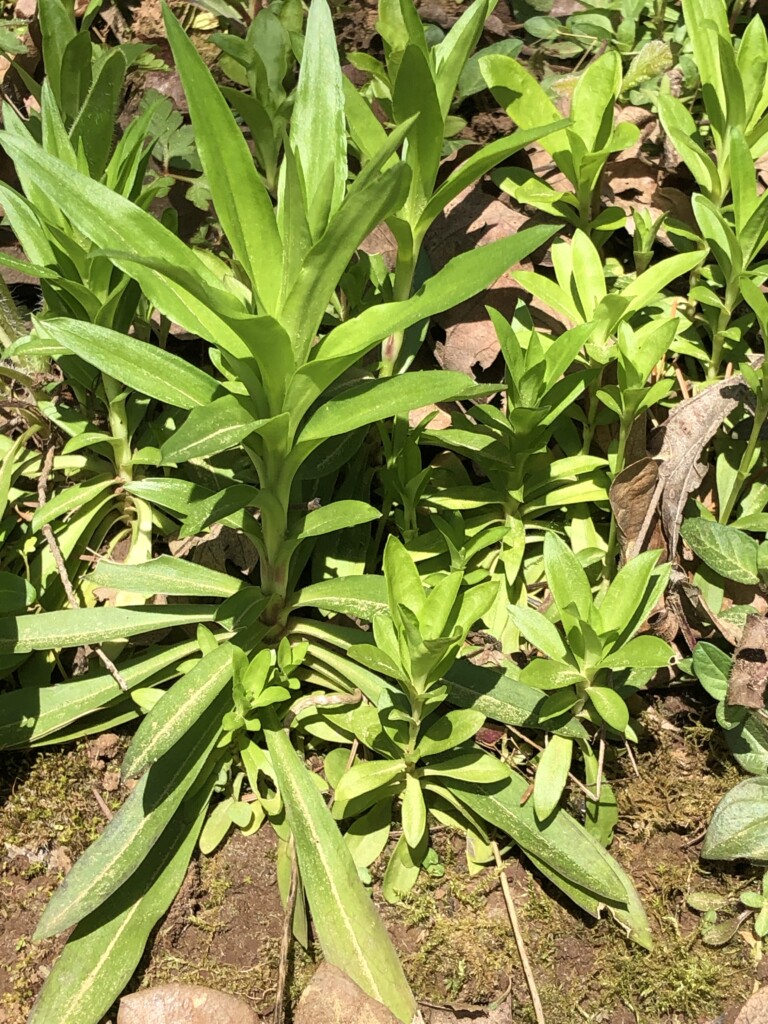
*This flower is a perennial so it may not bloom the first year it is planted. Be patient with this flower to establish and bloom. See our photos for a photo of what the smaller plants look like before they bloom so you don’t accidentally pull them when weeding.
*Most perennials will not bloom the first year they are planted. They establish a plant the first year and then bloom the second and every year after that. Annuals will give you color the first year you plant them and then can reseed themselves if they like where they are growing. This is why perennials tend to be more expensive. It takes twice as long to get seed off of the plant than an annual when initially planting. If fall planting in the Northwest plant beginning of August and water seeds to get the plants fully established before winter for best success!
The broadcast rate for seeding is 12 – 15 pounds per acre.
The seed drill rate for seeding in rows is 6 pounds per acre.
Note: As of August 2025 we only have limited seed available due to crop failures. We have a promising crop for 2026 harvest that wont be available until Spring 2027. We may have some seed from our 2025 harvest available Spring 2026. Please check with us if we haven’t updated this message by Spring 2026.
| Purchasing Options | Price | Quantity | |
|---|---|---|---|
| Small Packet | $2.50 | ||
Covers approximately 5 square feet. |
|||
| 10 Gram | $3.00 | ||
Covers approximately: |
|||
| 1/4 Pound | $12.00 | ||
Covers approximately: |
|||
| 1 Pound | $42.00 | ||
Covers approximately: |
|||
| Scientific Name | Dianthus barbatus |
|---|---|
| Product Type | Flower, Flower Mix, Herb |
| Color | Pink, Red, White |
| Cycle | Perennial |
| Origin | Introduced species |
| Height | 18-24" |
| Germination Time | 15-30 days |
| Planting Season | Spring, Fall |
| Bloom Season | Summer |
| Weeks to Bloom | 5 to 7 weeks |
| USDA Zone | 3 to 9 |
| Seeds Per Pound | 437,000 |
| Seeding Rate (lb./acre) | 6 |
| Pollen/Nectar | Pollen |
| Pollinator(s) | Bumble Bees, Butterflies, Honey Bees, Native Bees |
| Notes | this variety of Dianthus are fragrant and the plant attracts butterflies and bees |
| Light Requirement | Full Sun, Part Sun/Shade |