Sea Blush
$2.50 – $240.00Price range: $2.50 through $240.00
TO ORDER & SEE PRICING SCROLL DOWN
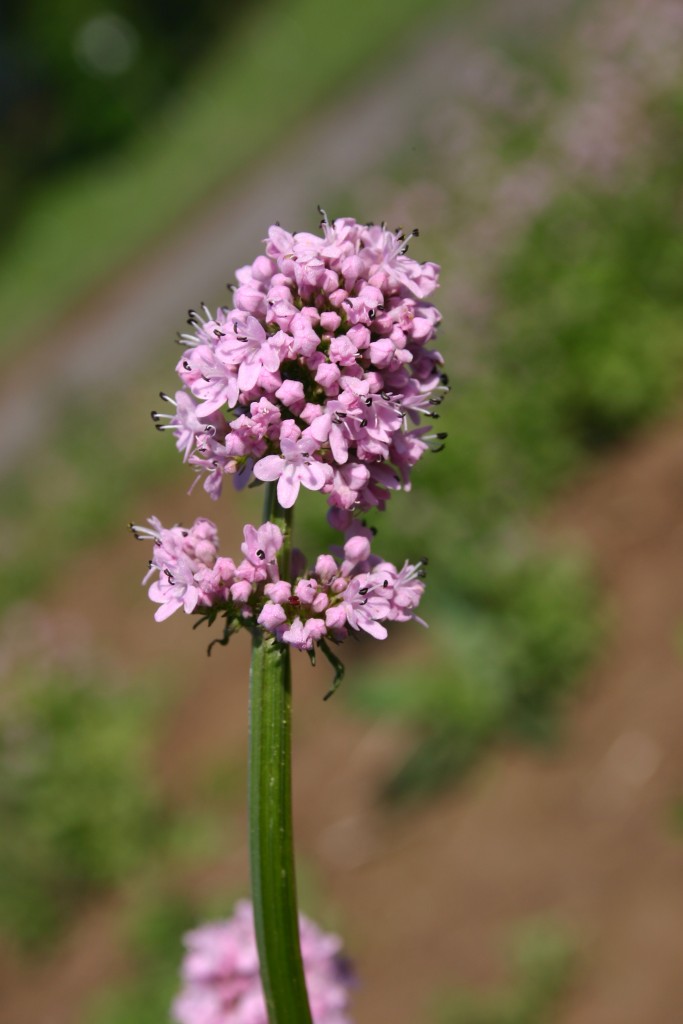
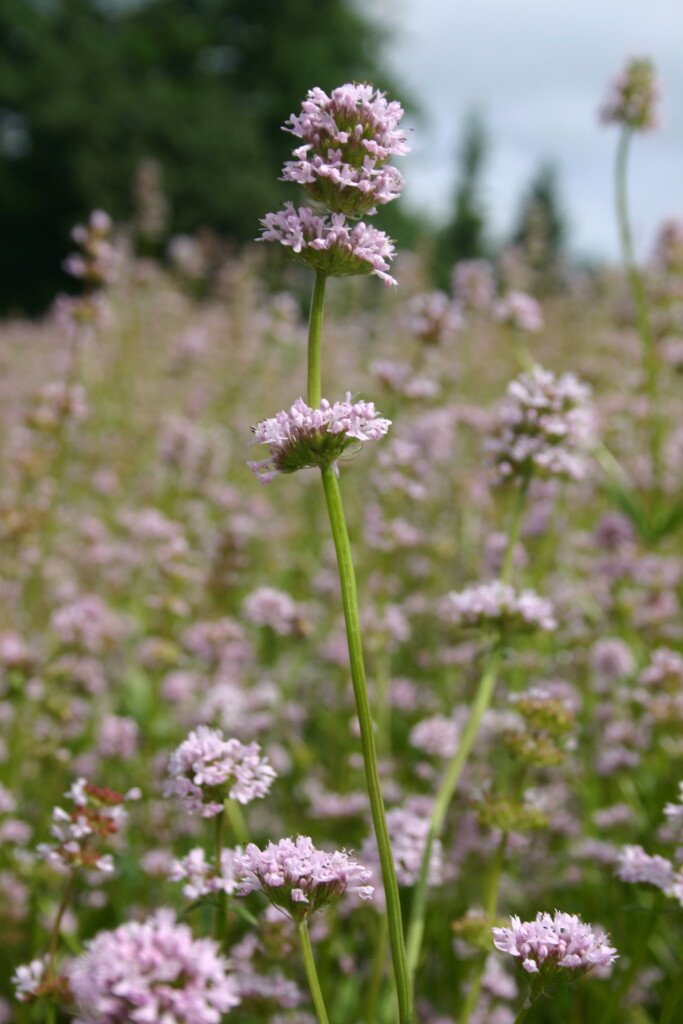
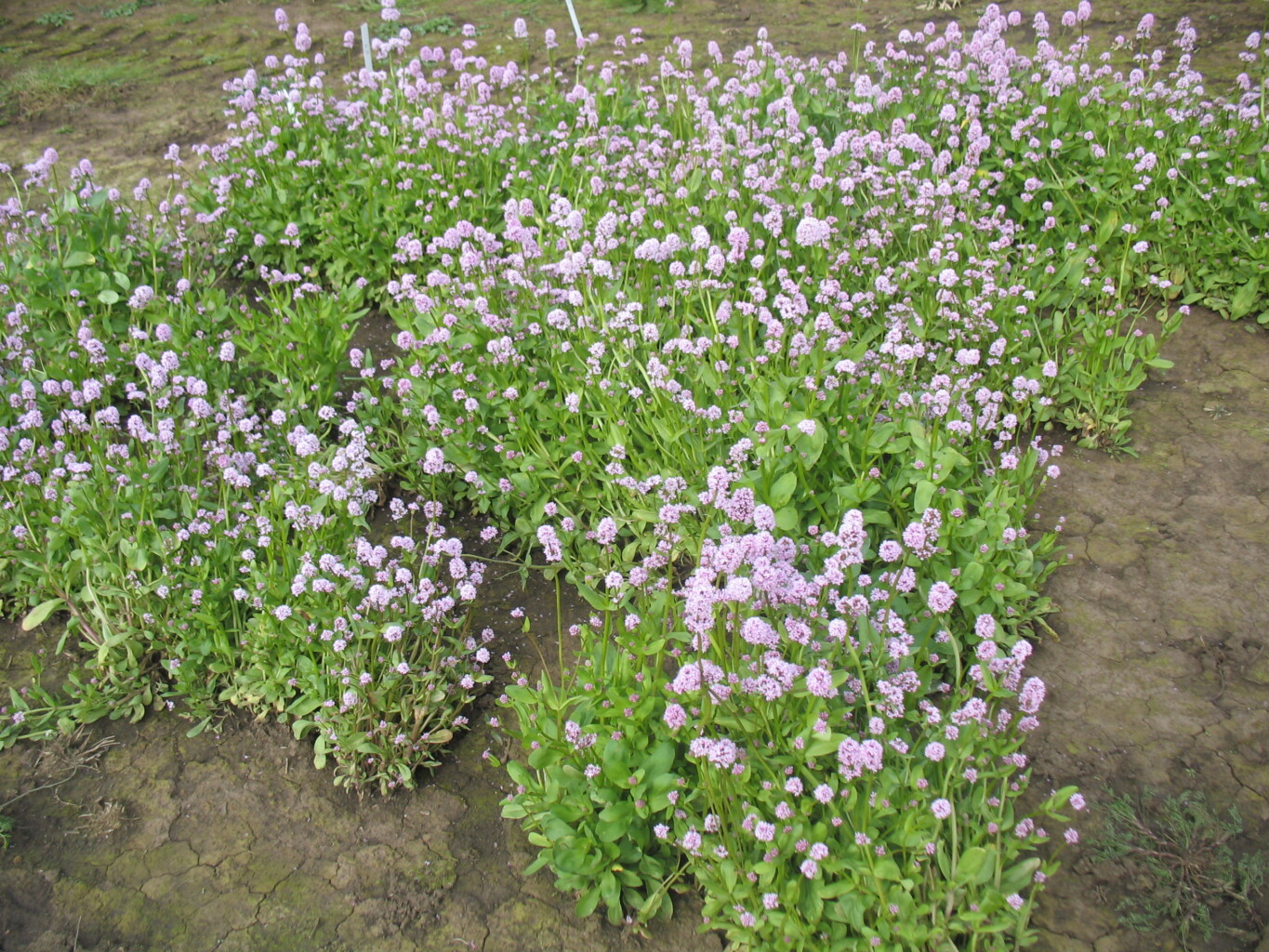
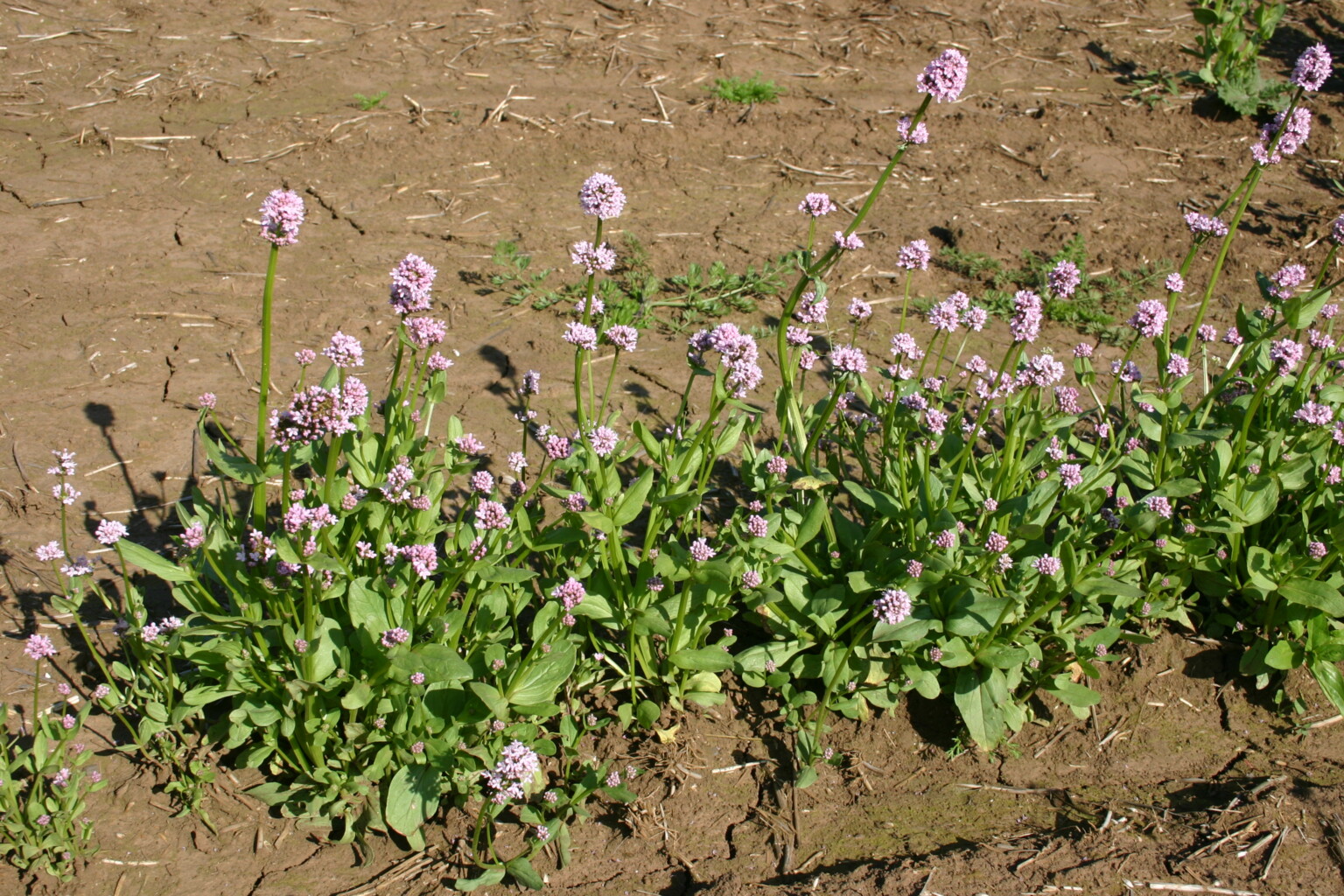
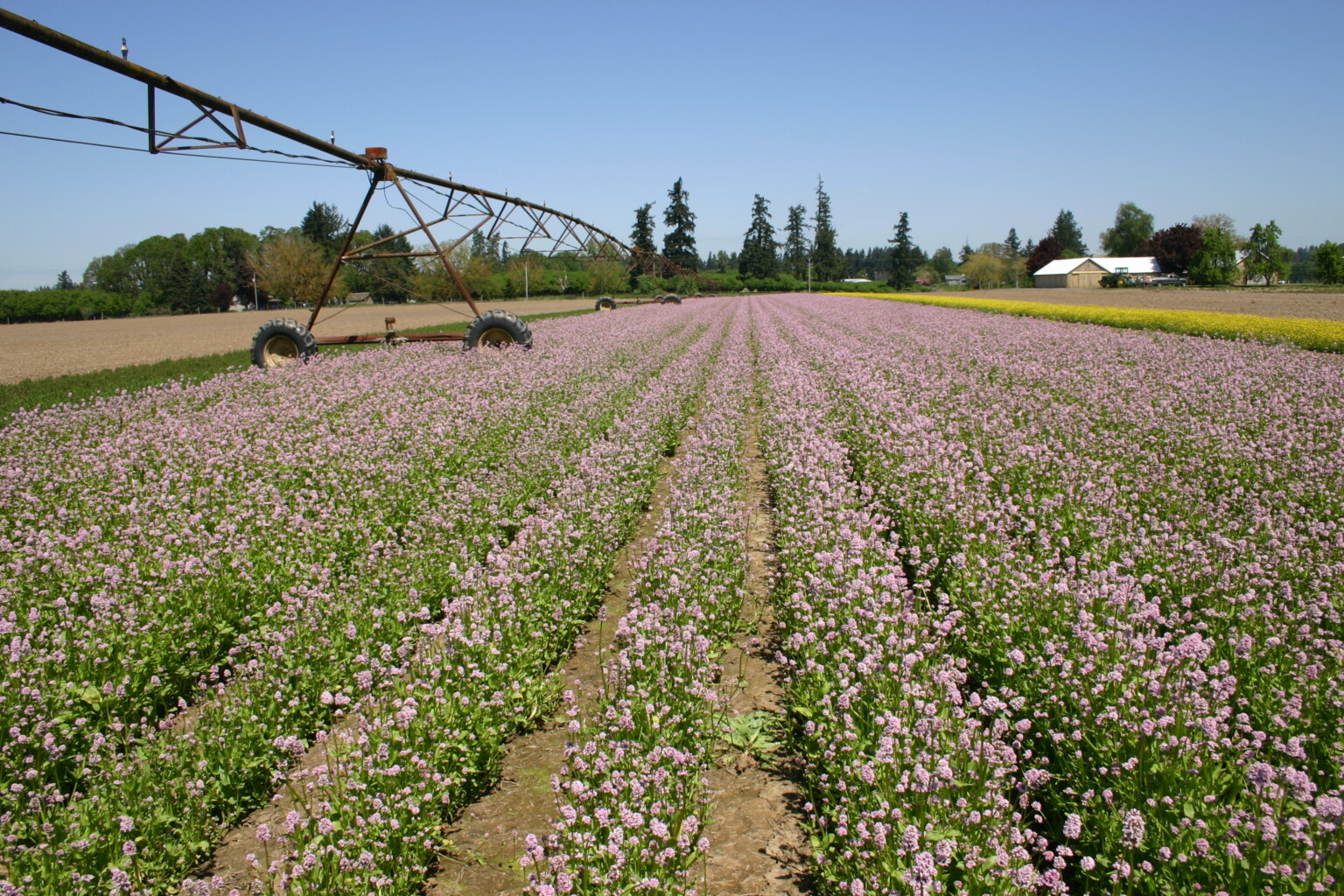
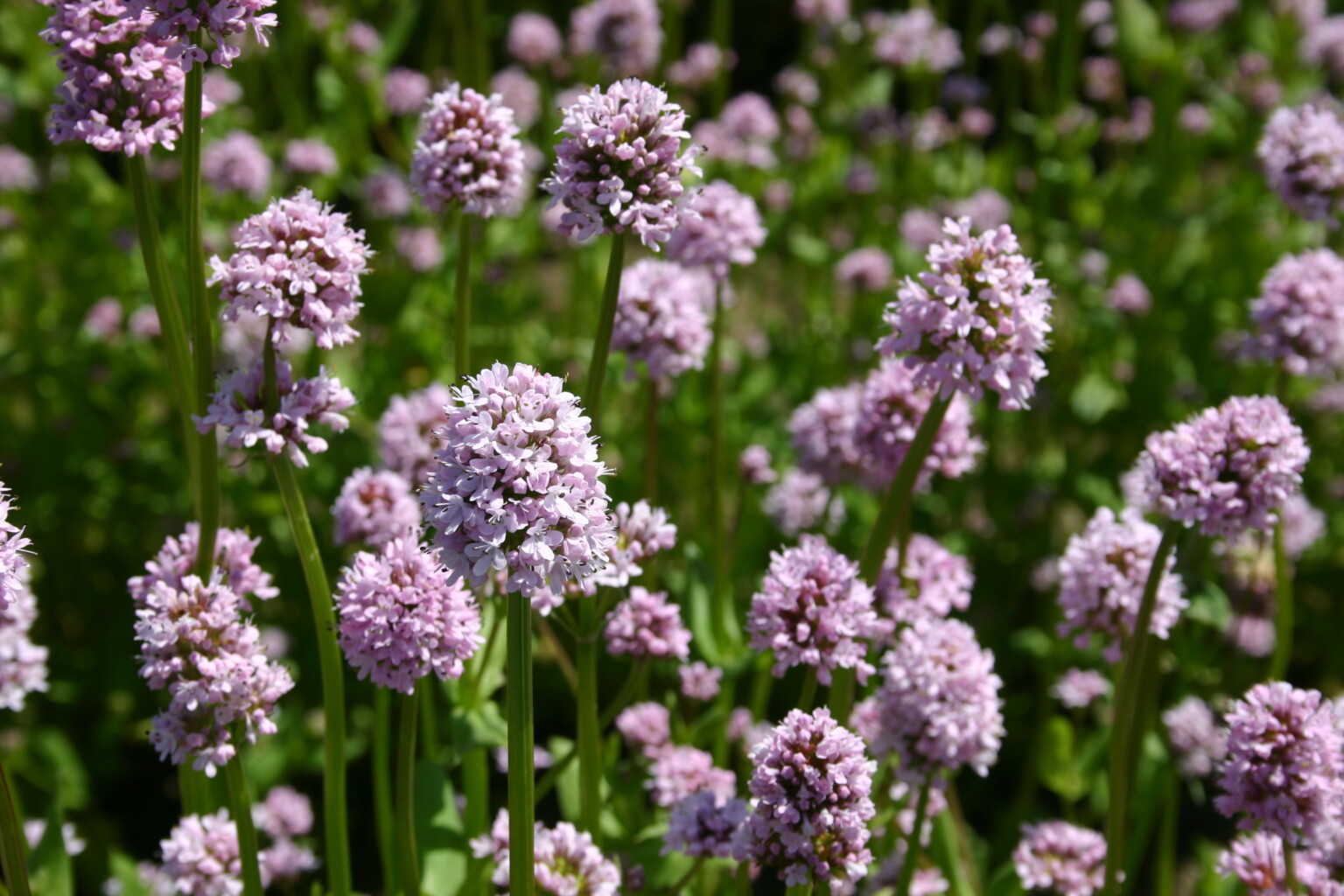
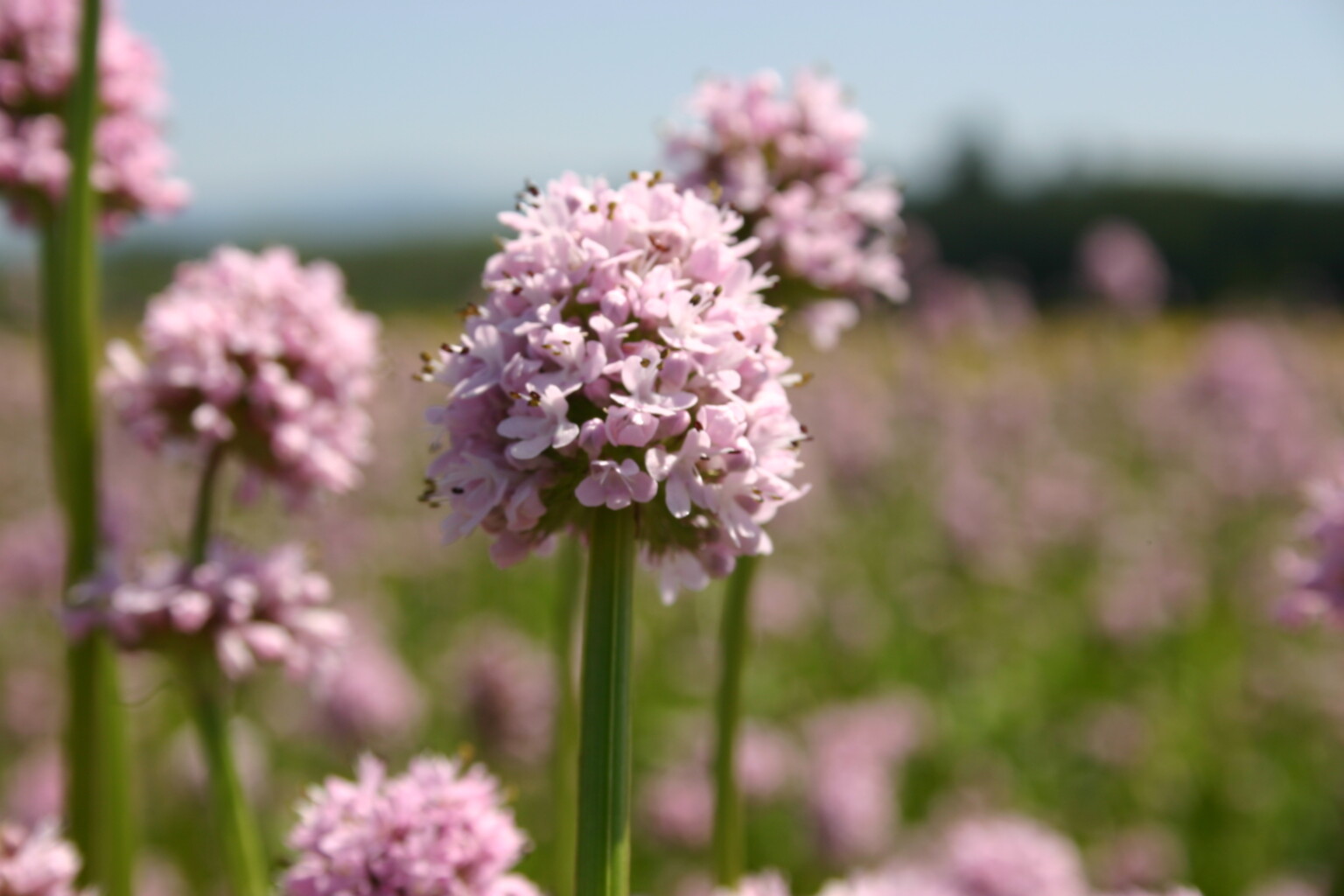
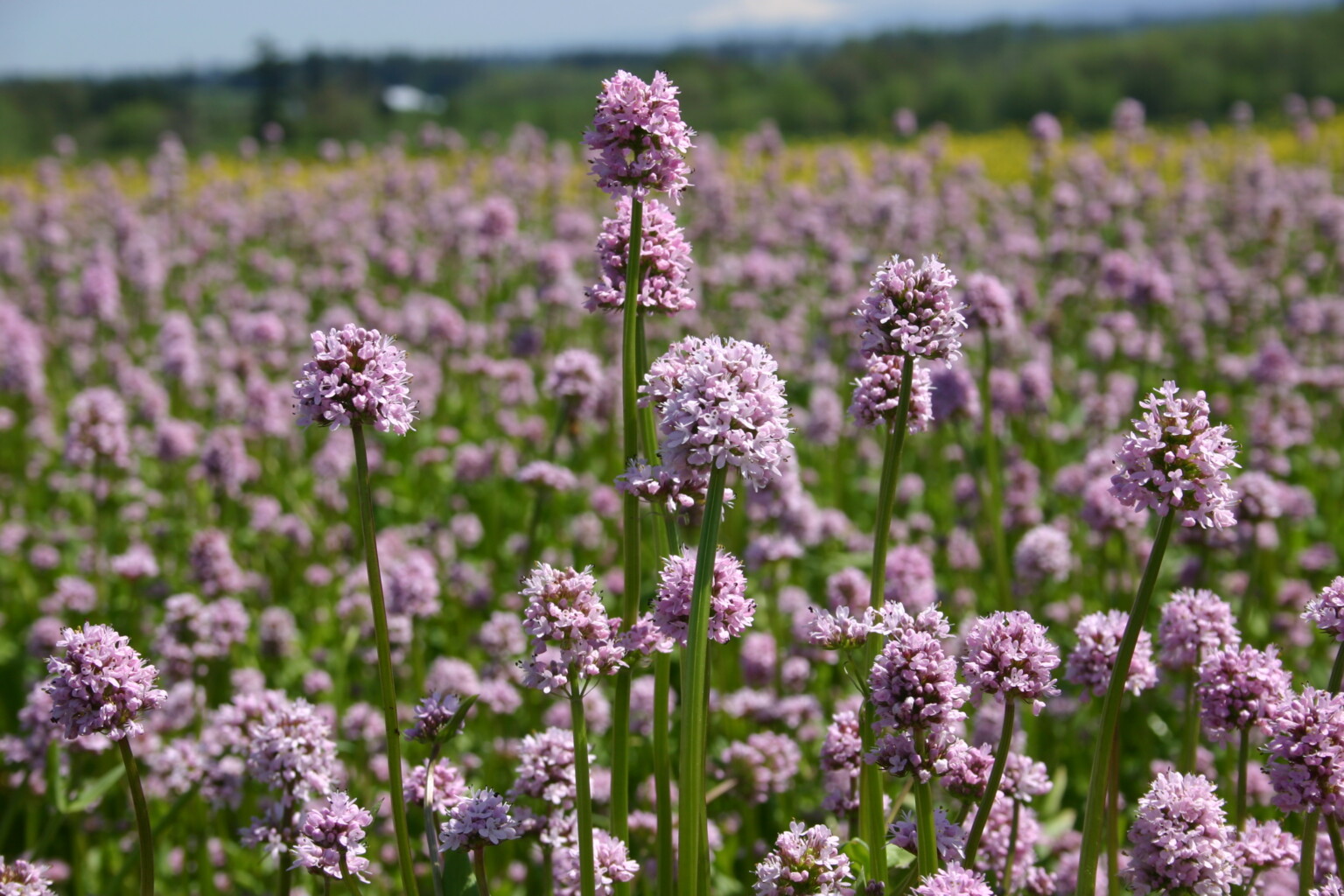
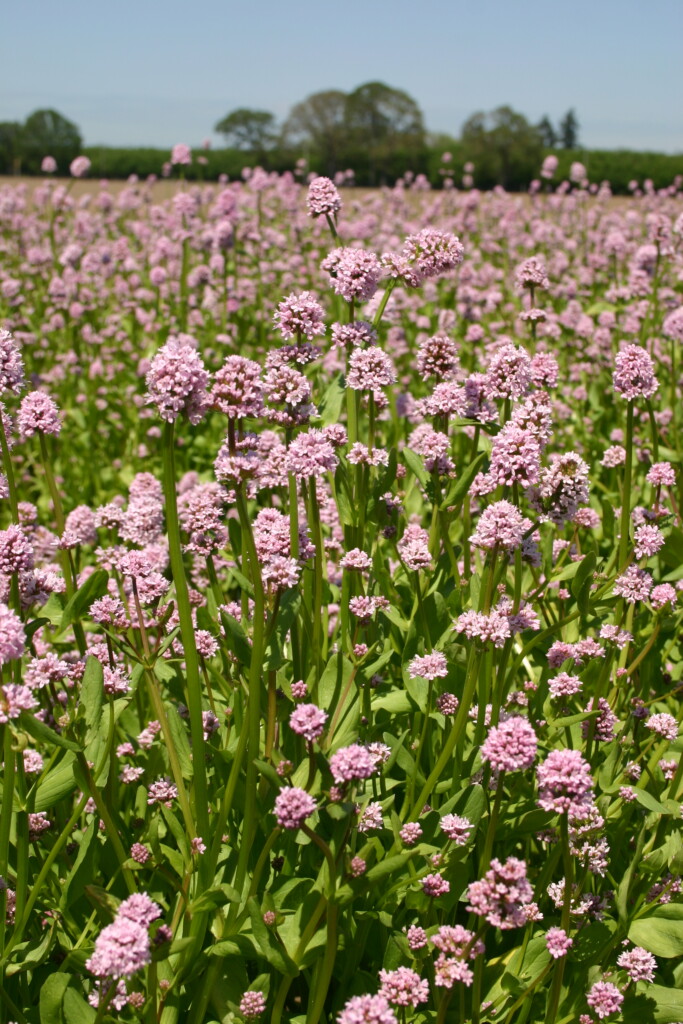
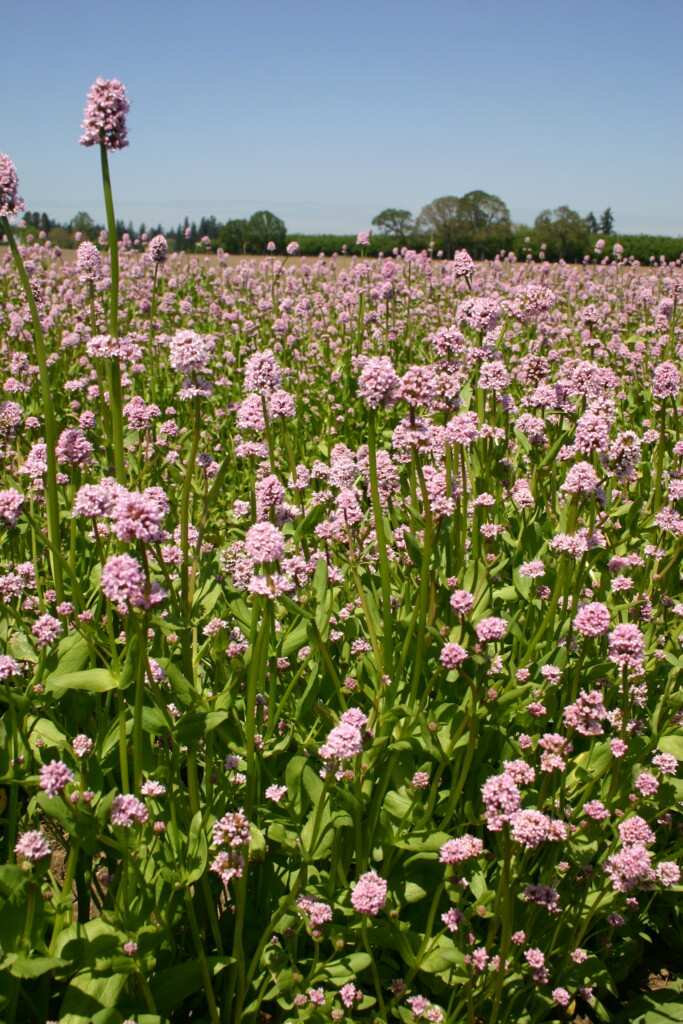
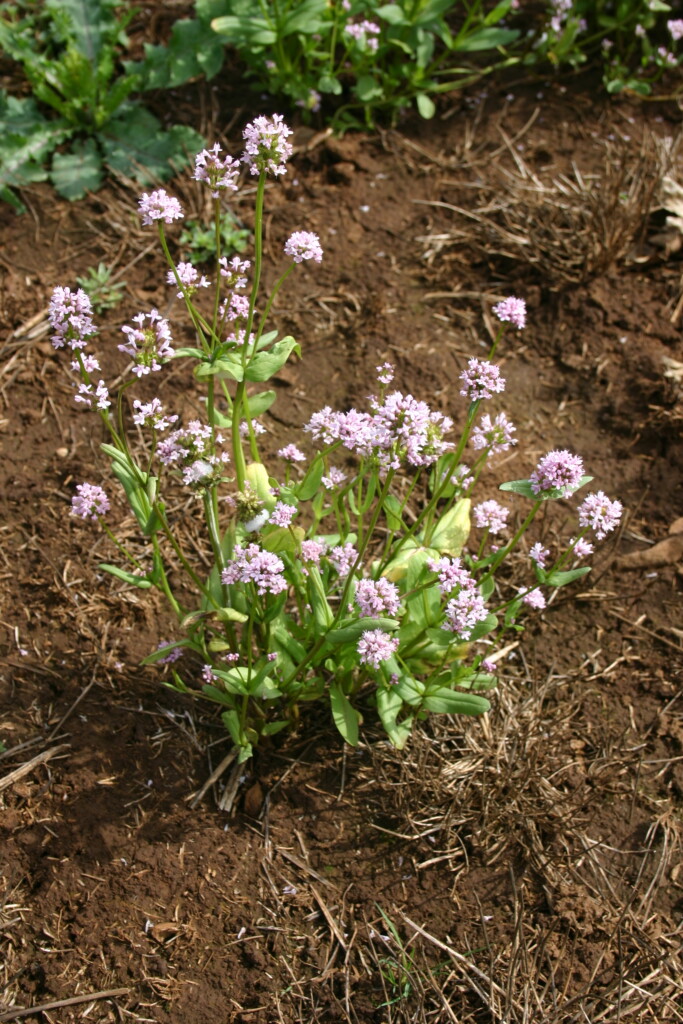
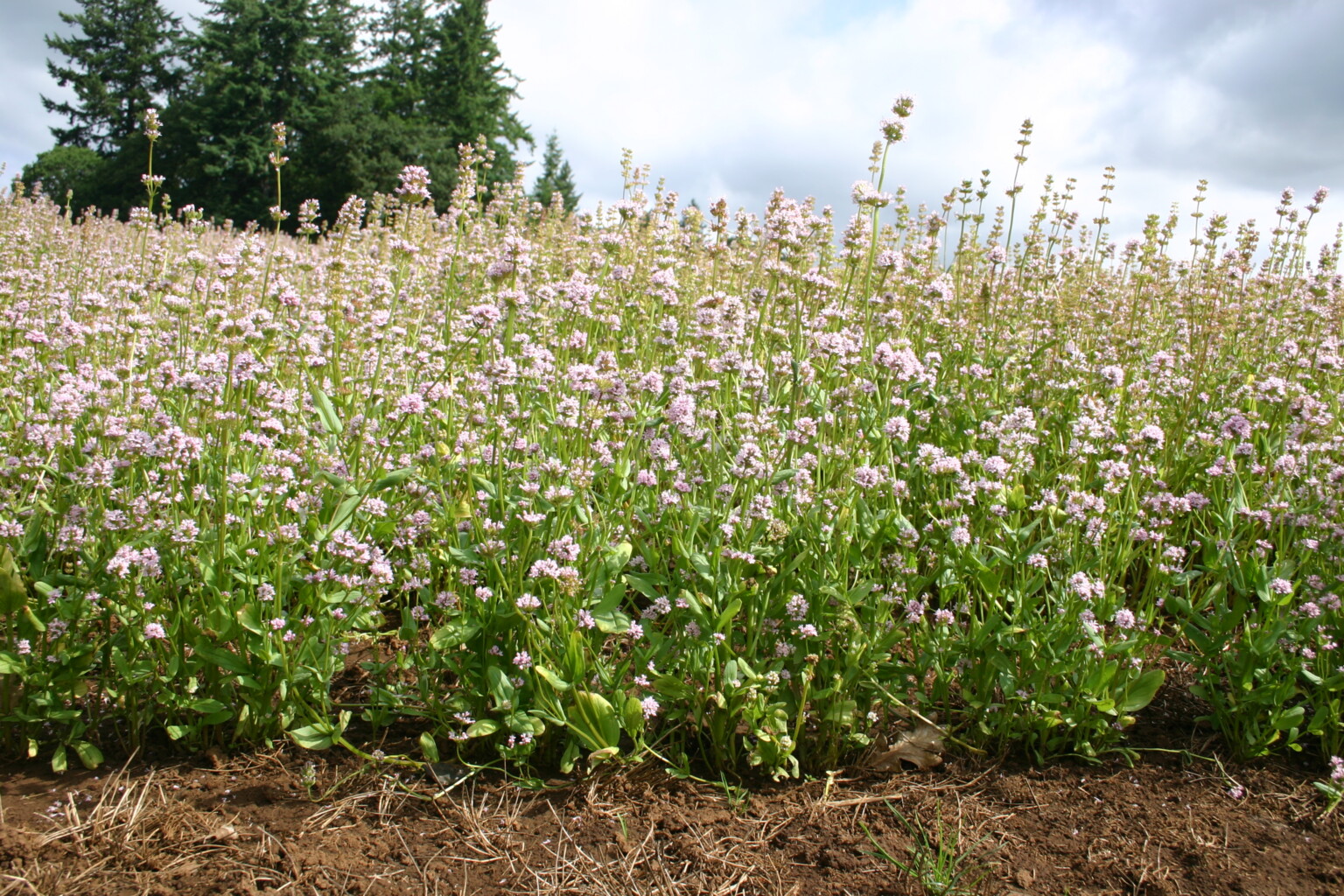
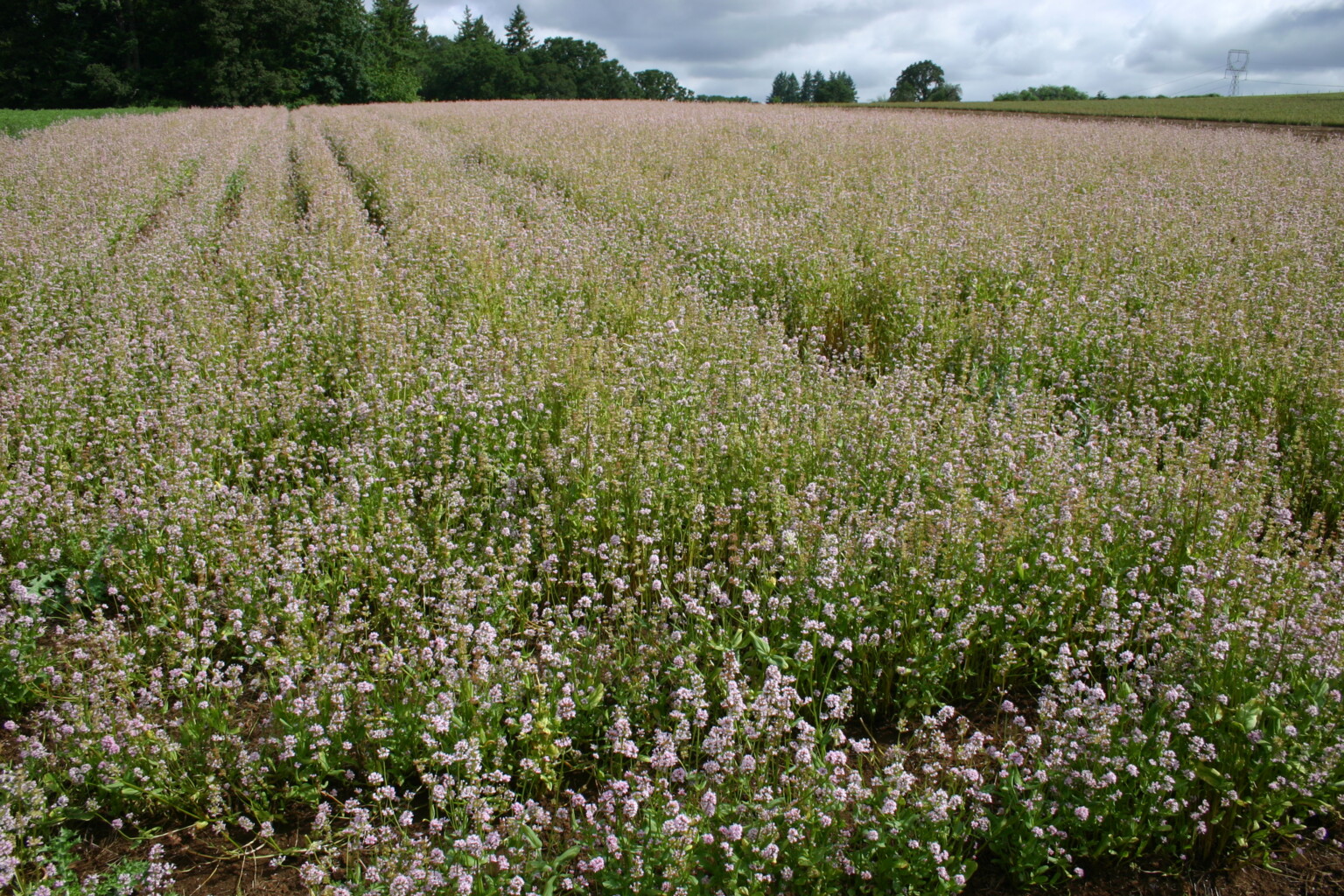
Sea Blush (Plectritis congesta), also known as Shortspur Seablush, is a delicate, cool-season native annual wildflower with clusters of small pink to rosy flowers. It is native to the Pacific Northwest and California and is especially well suited to meadows, native prairie plantings, coastal areas, rocky slopes, and other naturalized settings.
Sea Blush is a relatively small annual, generally growing about 4–24 inches tall. Its upright stems produce clusters of small pink flowers that create a soft splash of color in spring and early summer.
Sea Blush grows best in full sun and well-drained soil. It is naturally found in moist meadows, rocky slopes, grassy bluffs, open areas, and other sites that receive moisture during the cool growing season. It can tolerate somewhat drier conditions as the season progresses.
Sea Blush is well suited to native meadows, prairie plantings, coastal gardens, rocky areas, restoration projects, pollinator gardens, wildlife plantings, and naturalized landscapes. Its small size makes it particularly useful in areas where a low-growing native wildflower is desired.
The flowers provide nectar for native bees, bumble bees, flies, butterflies, and other small pollinators. Sea Blush can be a valuable component of diverse native wildflower plantings where early-season floral resources are desired.
Sea Blush is an annual and completes its life cycle in a single growing season. Under favorable conditions, plants can produce seed that may naturally drop and contribute to future generations in suitable planting areas.
Native Range
British Columbia, Washington, Oregon, and California.
Pacific Northwest Planting
For gardeners and restoration projects in the Pacific Northwest, Sea Blush can be planted in either fall or early spring.
Fall planting is generally the preferred method because Sea Blush seed germinates best under cool conditions. Sow seed directly into a prepared, weed-free planting area after temperatures have cooled and fall moisture is available.
Sea Blush seed can be broadcast directly onto the soil surface and pressed into good contact with the soil. Avoid covering the seed deeply.
Spring planting can also be successful when done early while temperatures are still cool. Provide adequate moisture during germination and early growth.
Fall Planting
Fall is an excellent planting season for Sea Blush in the Pacific Northwest.
Sow after the heat of summer has passed and temperatures have cooled. Broadcast the seed over a prepared, weed-free planting area and press the seed into the soil surface.
Sea Blush seed does not require special scarification or other pretreatment. Cool temperatures help promote germination, and natural fall and winter conditions are well suited to the species.
Fall planting allows the seed to experience the cool conditions it prefers and can result in early spring germination and flowering.
Choose a well-drained planting location, particularly in areas with wet winters. Avoid locations where water remains standing for extended periods.
Spring Planting
Sea Blush can also be planted in early spring.
Prepare a firm, weed-free seed bed and broadcast the seed directly onto the soil surface. Press the seed into good contact with the soil rather than covering it deeply.
Keep the planting area consistently moist during germination and early establishment.
Spring planting should be done as early as practical while temperatures remain cool. In warmer areas, planting too late in the spring can reduce germination and establishment as temperatures increase.
Planting in Other Regions
Sea Blush is best suited to regions with cool, moist growing conditions during the spring.
In areas with mild winters, fall planting is generally preferred. In colder climates, early spring planting can be used once soil conditions are suitable.
Sea Blush performs best in full sun and well-drained soils. It can grow in meadows, grasslands, rocky areas, coastal sites, and other locations that receive adequate moisture during the cool season.
In warmer or drier regions, choose a planting location where the plants can complete their growth and flowering before intense summer heat arrives.
Establishment & Growth
Sea Blush is an annual wildflower that grows and flowers during the cool season and completes its life cycle within one growing season.
Good seed-to-soil contact is important for establishment because the seed is very small. Prepare a firm, weed-free planting area and avoid burying the seed.
Keep competing vegetation under control during establishment. Because Sea Blush is a small annual, aggressive weeds and grasses can easily outcompete young plants.
Under favorable conditions, Sea Blush can germinate and develop relatively quickly, with flowering generally occurring in spring and early summer.
Choosing the Right Site
Choose a full-sun location with well-drained soil and adequate moisture during the cool growing season.
Sea Blush is particularly well suited to meadows, native prairie, coastal areas, grassy bluffs, rocky slopes, open woodland edges, and other naturalized sites.
Avoid heavy, poorly drained locations where water remains saturated for extended periods.
Because Sea Blush is a small annual, it is best planted in areas where competing perennial grasses and weeds are controlled during establishment.
Larger Quantities
For quantities larger than those currently listed for sale, please contact us for availability and pricing.
Seeding Rates
The broadcast rate for seeding is 10–12.5 pounds per acre.
The seed drill rate for seeding in rows is 5 pounds per acre.
| Purchasing Options | Price | Quantity | |
|---|---|---|---|
| Small Packet | $2.50 | ||
Covers approximately 5 square feet. |
|||
| 5 Gram | $3.00 | ||
Covers approximately: |
|||
| 1/32 Pound | $12.00 | ||
Covers approximately: |
|||
| 1 Pound | $240.00 | ||
Covers approximately: |
|||
| Scientific Name | Plectritis congesta |
|---|---|
| Product Type | Native Flower |
| Color | Purple |
| Cycle | Annual |
| Origin | NW Native species |
| Height | 4-24" |
| Planting Season | Early Spring, Fall |
| Bloom Season | Spring, Summer |
| Weeks to Bloom | 4 to 6 weeks |
| Seeds Per Pound | 458,645 |
| Seeding Rate (lb./acre) | 5 |
| Pollen/Nectar | Nectar |
| Pollinator(s) | Bats, Birds, Butterflies, Honey Bees, Native Bees |
| Notes | Sea Blush is often found on grassy bluffs near the ocean |
Related products
-
Lupine – Small Flowered Bi-Color
Native Flower, Perennial$2.50 – $294.95Price range: $2.50 through $294.95