
Ryegrass – Perennial (Forage-Type)
$16.45 – $612.50Price range: $16.45 through $612.50
TO ORDER & SEE PRICING SCROLL DOWN
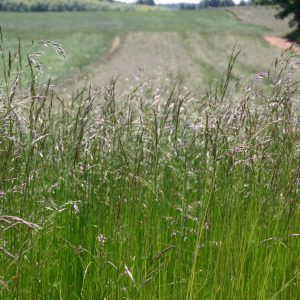
Ryegrass – Perennial (Forage-Type) (Lolium perenne)
Perennial Ryegrass (Lolium perenne) is a cool-season perennial forage grass valued for rapid establishment, high palatability, and its ability to tolerate frequent, close grazing. It can be planted alone, overseeded into an existing pasture, or combined with other grasses and legumes to create a productive forage stand.
Forage-Type Perennial Ryegrass performs best in fertile, well-drained soils with adequate moisture. It is well suited to livestock grazing and can also be harvested for hay.
This is a forage-type variety intended for livestock use and is not a lawn grass.
Which Animals Can Use Perennial Ryegrass?
Cattle — Excellent Choice
Perennial Ryegrass provides highly palatable forage for cattle and can be used for both pasture and rotational grazing. Its rapid establishment makes it useful for establishing new forage stands or improving existing pastures.
Sheep — Excellent Choice
Sheep readily utilize Perennial Ryegrass, making it a strong choice for grazing systems. Its tolerance of close and frequent grazing can be beneficial when pasture use is carefully managed.
Horses — Good Choice With Management
Perennial Ryegrass can provide quality forage for horses. However, lush, rapidly growing pasture can present nutritional and management concerns, particularly during spring and fall. Introduce horses to lush pasture gradually and consult a veterinarian regarding appropriate grazing practices for individual animals.
Goats — Good Choice
Goats can utilize Perennial Ryegrass as part of a managed grazing system. Because goats naturally benefit from a varied diet, this grass can work well alongside other appropriate forage and browse species.
Best Uses
Perennial Ryegrass is particularly well suited for:
- Livestock pasture
- Rotational grazing
- Overseeding existing pastures
- Pasture renovation
- Mixed grass and legume forage systems
- Hay production
- Short-term or high-use grazing areas
Establishment & Growth
Perennial Ryegrass establishes quickly and produces palatable forage soon after establishment. Grazing can begin when plants reach approximately 8–10 inches tall, provided the grass is firmly rooted.
The grass performs best under cool, moist growing conditions. It does not tolerate prolonged periods of extreme heat or cold as well as some other cool-season forage grasses.
Because Perennial Ryegrass can be grazed closely, it is useful in managed grazing systems where frequent forage utilization is desired. Allowing adequate recovery between grazing periods helps maintain stand health and productivity.
Water & Soil Requirements
Perennial Ryegrass performs best in fertile, well-drained soils with reliable moisture.
It is not considered highly drought tolerant. Growth can decline during extended hot and dry periods, particularly where irrigation is unavailable.
In warmer climates, Perennial Ryegrass can also be used for winter overseeding when sufficient moisture is available. Fall planting allows the grass to take advantage of cooler temperatures and winter moisture before declining during summer heat.
Hay Production
Perennial Ryegrass can be harvested for hay and provides high-quality forage when cut at an appropriate stage of maturity.
The grass can have relatively high moisture content, which may cause it to take longer to dry than some other forage grasses. Proper curing and favorable weather conditions are important when producing dry hay.
Grazing Management
Allow newly planted Perennial Ryegrass to become firmly rooted before livestock are introduced.
Once established, manage grazing to prevent excessive removal of leaf material. Rotational grazing can provide recovery periods and help maintain productive stands.
When grazing horses, use additional caution during periods of lush spring and fall growth. Rapidly growing pasture can increase the risk of pasture-related health problems, so gradual introduction and appropriate grazing management are recommended.
Regional Fit
Pacific Northwest — Excellent Choice
Perennial Ryegrass is well suited to the cool, moist conditions of the Pacific Northwest and can provide productive forage where soil fertility and moisture are adequate.
Northern U.S. — Good Choice
Perennial Ryegrass can be used as a forage grass in northern regions with suitable cool-season growing conditions. Severe winter temperatures may reduce persistence in colder areas.
Southern U.S. — Good for Winter Forage
In warmer parts of the Southern U.S., Perennial Ryegrass can be overseeded in fall for winter and early-spring forage. It generally declines as temperatures become hot in late spring and summer.
Dry Regions — Use With Irrigation
In areas with hot, dry summers, irrigation may be necessary to maintain productive growth. Local soil, temperature, and moisture conditions should be considered before planting.
Seeding Rates
Broadcast: 60–75 pounds per acre
Seed Drill: 30 pounds per acre
For an established stand, reseeding approximately 5 pounds per acre in fall or spring can help maintain coverage where conditions are suitable.
| Purchasing Options | Price | Quantity | |
|---|---|---|---|
| 1 Pound | $16.45 | ||
Covers approximately 1,450 square feet. |
|||
| 5 Pound Bag | $58.75 | ||
Covers approximately 7260 square feet. |
|||
| 10 Pound Bag | $94.00 | ||
Covers approximately 14,520 square feet. |
|||
| 25 Pound Bag | $176.25 | ||
Covers approximately 36,300 square feet. |
|||
| 50 Pound Bag | $235.00 | ||
Covers approximately 72,600 square feet. |
|||
| 250 Pound | $612.50 | ||
Covers approximately 363,000 square feet. |
|||
| Scientific Name | Lolium perenne |
|---|---|
| Product Type | Forage/Pasture Grass |
| Cycle | Perennial |
| Seeds Per Pound | 237,000 |
| Seeding Rate (lb./acre) | 30 |
| Color | Green |
| Light Requirement | Full Sun, Part Sun/Shade |
| Origin | Introduced species |
Related products
-
Fescue – Native Red
Forage/Pasture Grass, Native Grass, Perennial$2.50 – $14.00Price range: $2.50 through $14.00