

Alyssum – Sweet Royal Carpet
$2.50 – $114.00Price range: $2.50 through $114.00
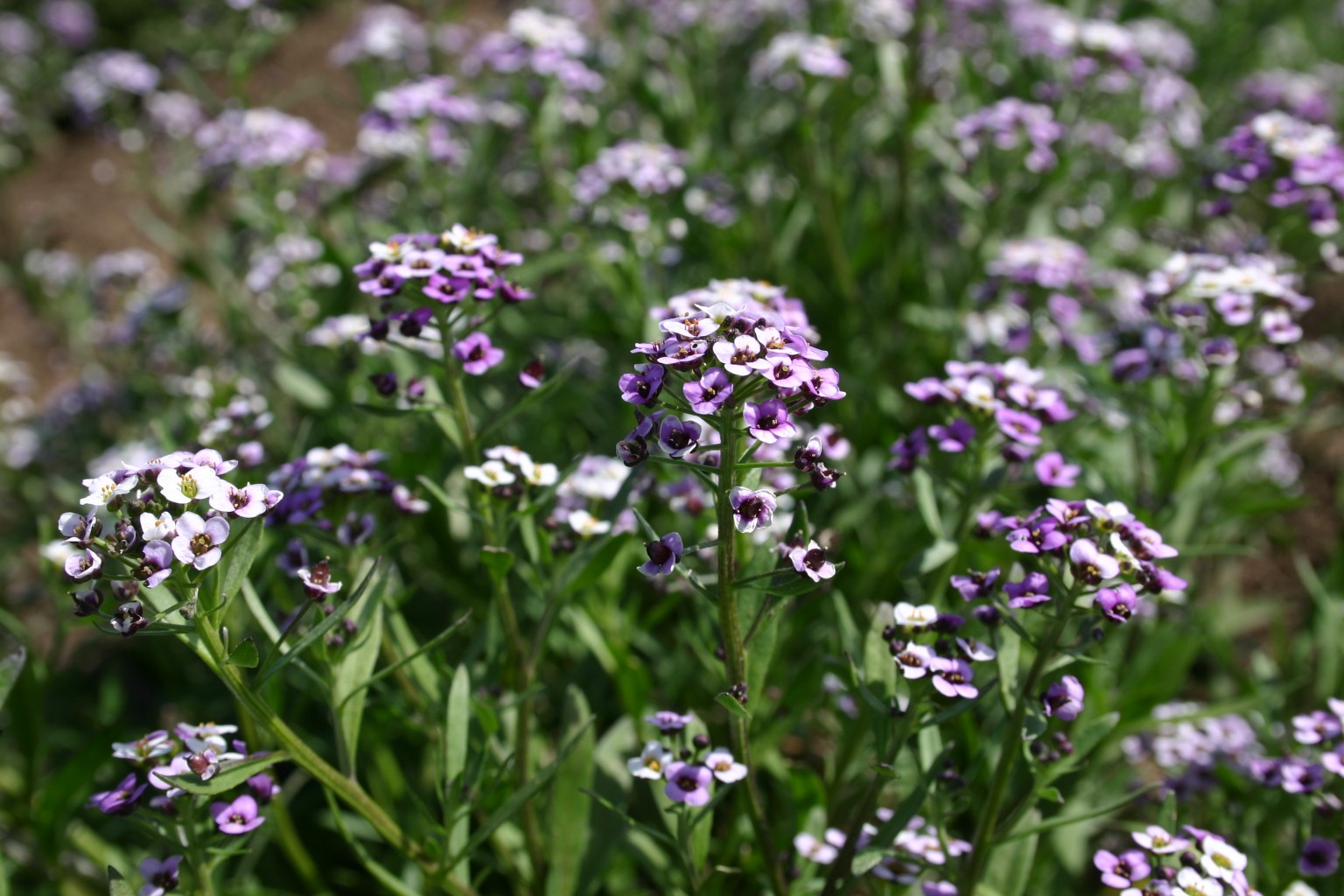
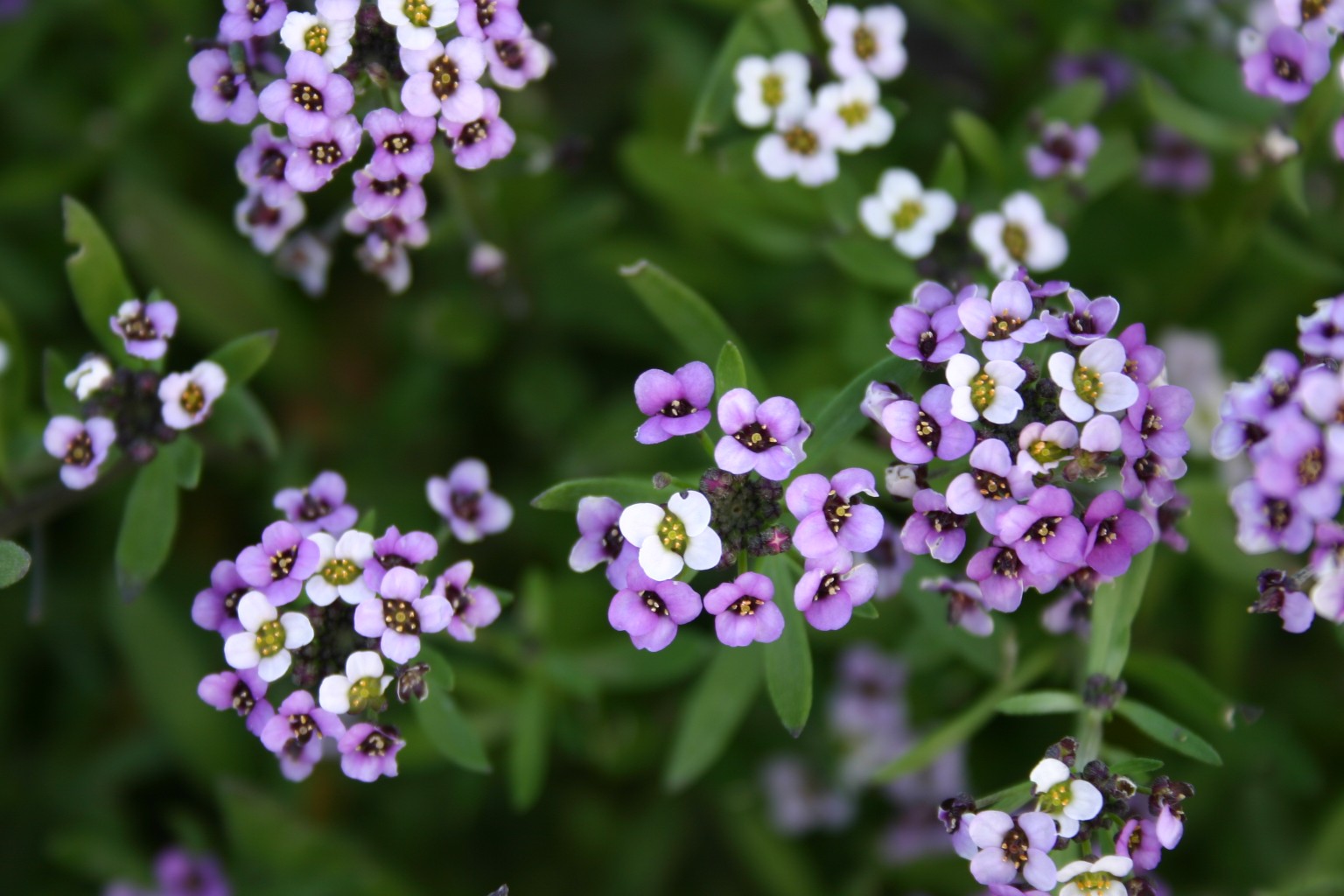
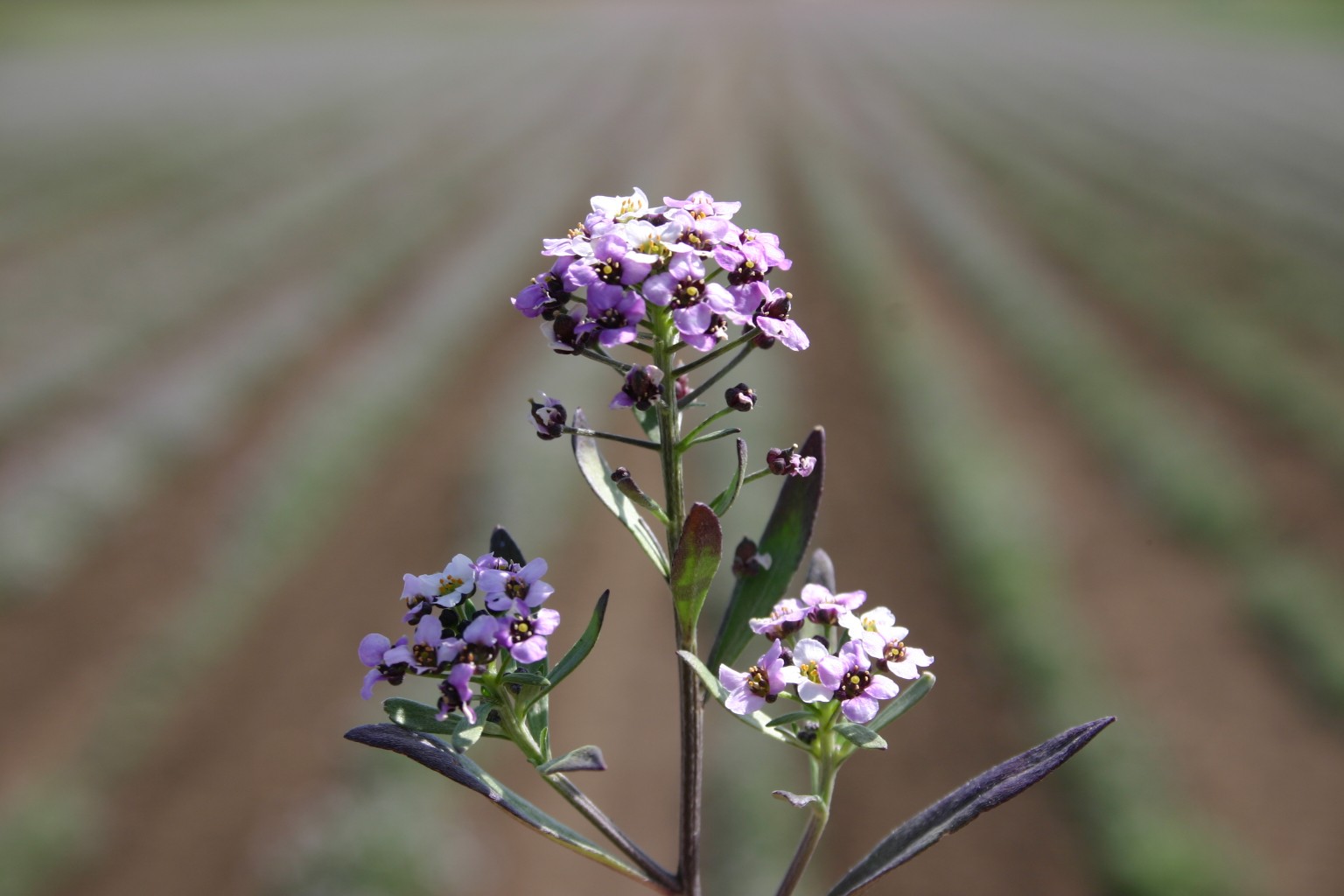
Alyssum ‘Sweet Royal Carpet’ is a low-growing, fast-spreading annual prized for its beautiful lavender-purple blooms, fine-textured foliage, and sweet, honey-like fragrance. With a compact stature of just 3 to 6 inches tall and a spreading habit of up to 12 inches wide, this charming variety creates a dense mat of color that works wonderfully as a border plant, bedding filler, or trailing accent in containers, window boxes, and hanging baskets.
Native to southern Europe, Sweet Alyssum—also commonly known as Sweet Alice—is a cool-season favorite that thrives in a wide range of climates and garden settings. It performs best in cool to moderate temperatures, often flowering from early spring through late fall. In regions with mild winters (USDA Zones 9–11), it may bloom nearly year-round and can even self-seed to return the following season, although it is usually grown as an annual.
‘Sweet Royal Carpet’ is especially valued for its ability to attract beneficial pollinators, including bees, butterflies, and hoverflies—making it not only a visual asset but also an ecological one. It’s an excellent companion plant in vegetable and herb gardens, where it can support natural pest control by encouraging predator insects.
This variety thrives in full sun, though it tolerates light afternoon shade, particularly in hot southern zones. Alyssum prefers moist, well-drained soil rich in organic matter. While it is semi-drought tolerant once established, consistent watering ensures the most prolific blooming, especially during extended dry spells.
Sow seeds directly outdoors in early spring in cooler climates, once the danger of frost has passed. For a head start, seeds may also be started indoors 4 to 6 weeks prior to the last frost, then transplanted outdoors after hardening off. In the southern United States or other warmer climates, fall planting is preferred to take advantage of cooler growing conditions, when the plant performs at its peak.
As the growing season progresses, plants may begin to appear leggy or bloom less vigorously. To rejuvenate and encourage fresh blooms, simply trim back the plant by one-third using clean shears or garden scissors. Alyssum responds well to this treatment and will often reward gardeners with a second flush of flowers.
Whether used as a cheerful carpet of color beneath taller plants, a softening edge along walkways, or a fragrant filler in containers, Alyssum ‘Sweet Royal Carpet’ is a versatile, easy-to-grow, and rewarding addition to any garden.
SPECIAL NOTE: Though generally non-invasive, Sweet Alyssum can self-seed freely, especially in favorable climates. In some regions—such as parts of California—it is considered a potentially invasive species. As a precaution, gardeners should check with their local cooperative extension office or state department of agriculture for any planting restrictions or regional guidelines.
**For larger quantities than listed for sale please contact us for availability and pricing.
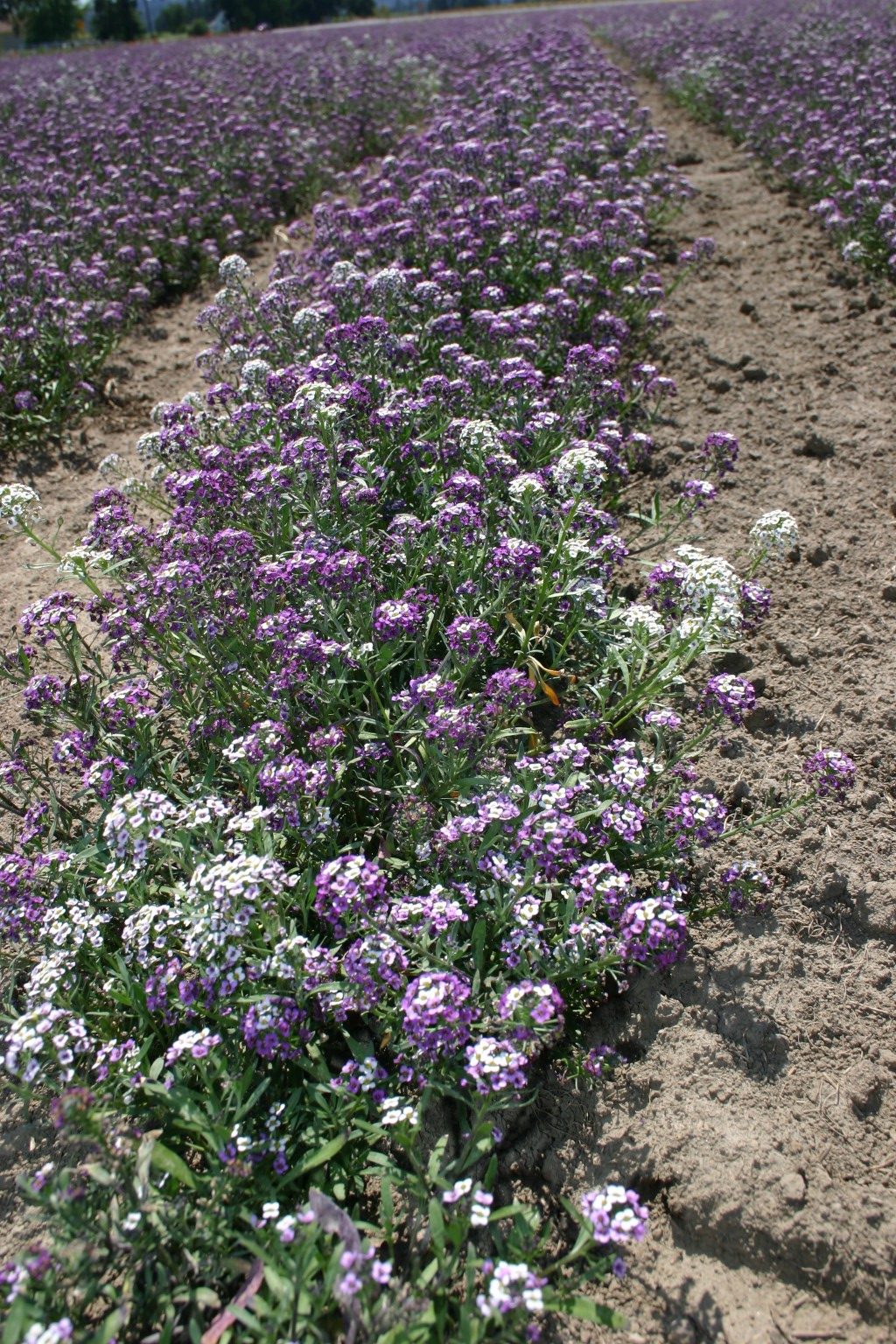
The broadcast rate for seeding is 4 – 5 pounds per acre.
The seed drill rate for seeding in rows is 2 pounds per acre.
| Purchasing Options | Price | Quantity | |
|---|---|---|---|
| Small Packet | $2.50 | ||
Covers approximately: |
|||
| 10 Gram | $3.00 | ||
Covers approximately: |
|||
| 1/16 Pound | $12.00 | ||
Covers approximately: |
|||
| 1 Pound | $114.00 | ||
Covers approximately: |
|||
| Scientific Name | Lobularia maritima |
|---|---|
| Product Type | Flower |
| USDA Zone | 5 to 9 |
| Cycle | Annual |
| Color | Purple |
| Height | 3-6" |
| Light Requirement | Full Sun, Part Sun/Shade |
| Germination Time | 15-20 days |
| Weeks to Bloom | 5 to 6 weeks |
| Origin | Introduced species |
| Planting Season | Spring, Fall |
| Bloom Season | Spring, Summer, Fall |
| Seeding Rate (lb./acre) | 2 |
| Seeds Per Pound | 1,270,000 |
| Pollen/Nectar | Nectar, Pollen |
| Pollinator(s) | Bats, Birds, Butterflies, Honey Bees, Native Bees |
| Notes | In the warmer climates of the southern United States, this flower should be fall planted |
Related products
-
Blanketflower – Indian Perennial
Native Flower, Perennial$2.50 – $57.00Price range: $2.50 through $57.00