



Red Poppy – American Legion
$2.50 – $36.00Price range: $2.50 through $36.00
TO ORDER & SEE PRICING SCROLL DOWN
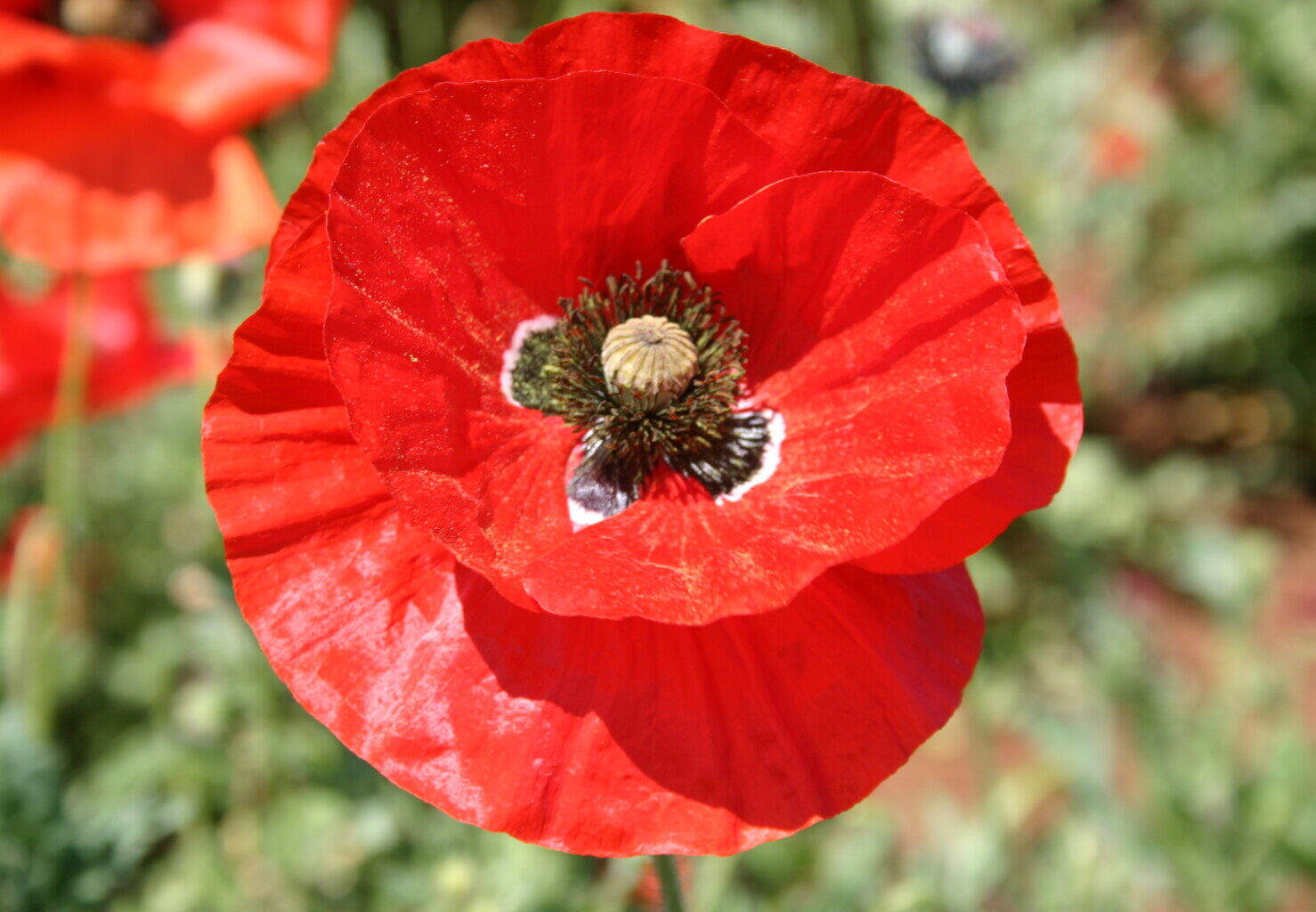
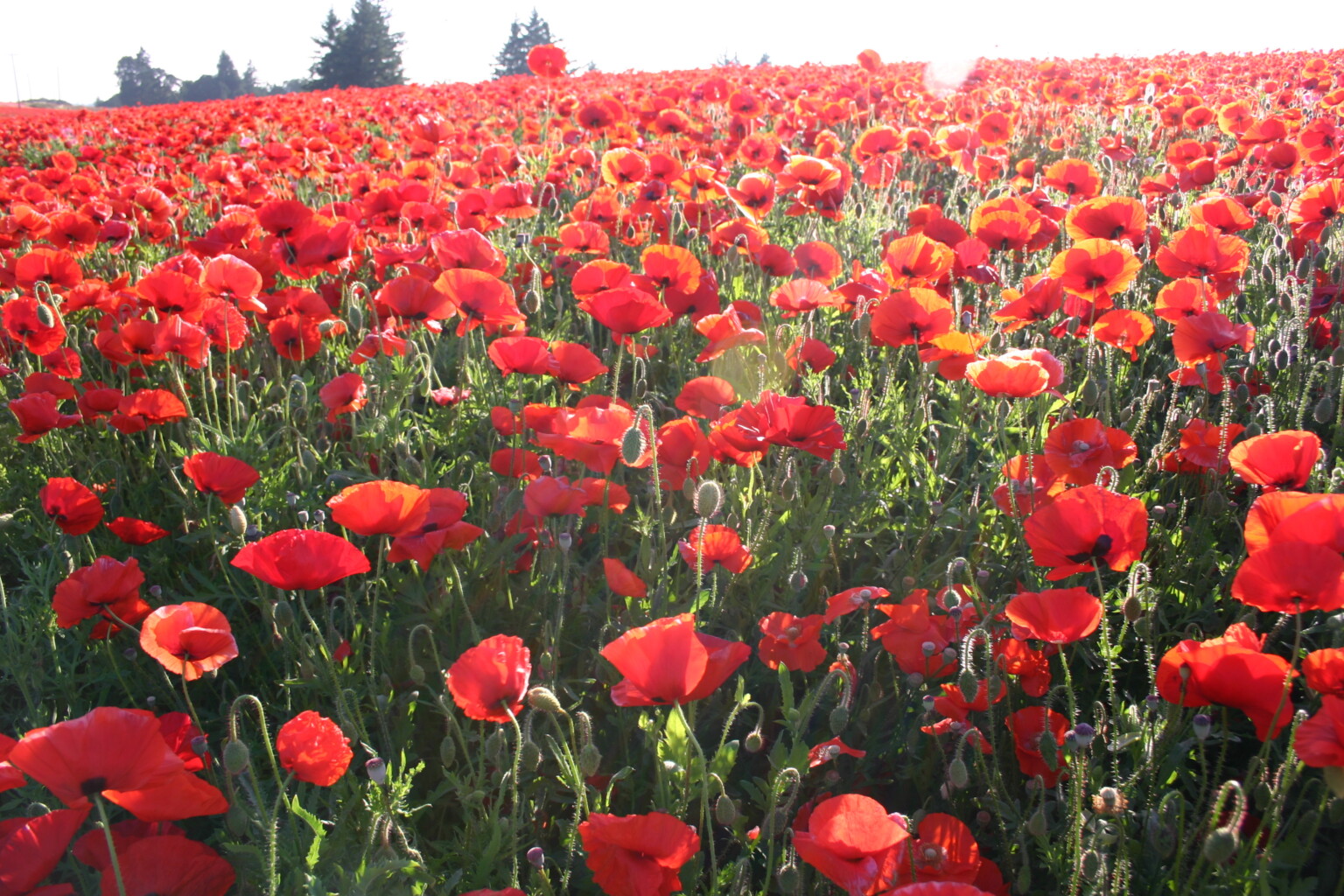
Red Poppy ‘American Legion’ (Papaver rhoeas) is a striking annual poppy producing bright scarlet-red flowers on upright, branching plants. The flowers have delicate, tissue-like petals and are well suited to mass plantings where a strong display of color is desired.
Also known as Corn Poppy and Flanders Poppy, Papaver rhoeas is widely associated with European agricultural landscapes and is recognized as a symbol of remembrance following World War I. The ‘American Legion’ name reflects the flower’s connection with remembrance and military service.
Red Poppy is well suited to sunny flower gardens, borders, cottage gardens, wildflower plantings, meadows, pollinator plantings, and cut-flower gardens. Plants generally grow 12–30 inches tall.
Red Poppy is an introduced species in North America and is not native to the United States. It originated in Europe and parts of the Mediterranean region and has been widely cultivated as an ornamental flower.
Pacific Northwest Planting
Red Poppy performs well in the cool growing conditions of the Pacific Northwest. It can be direct sown in either fall or spring, depending on local climate and the desired bloom period.
Because the seed is very small and benefits from light during germination, sow it on the soil surface or cover it only very lightly. Firm seed to soil contact is important for successful establishment. Does not transplant well.
Fall Planting
Fall planting can work well in much of the Pacific Northwest, particularly when seed is sown late enough that it remains dormant through winter.
Broadcast the seed over a prepared, firm seed bed and press it firmly into good soil contact. Do not bury the seed deeply. Fall-sown seed can germinate with winter and early spring moisture and produce an early-season display.
In areas with colder winters, sow late enough in fall to reduce the possibility of premature germination.
Spring Planting
Spring planting is a reliable option when soil conditions are suitable.
Direct sow as early in spring as conditions allow. Scatter the seed evenly over prepared soil and press lightly to ensure good contact. Keep the seed bed evenly moist during germination if rainfall is insufficient.
Red Poppy prefers cool growing conditions and may flower earlier when established before periods of summer heat.
Planting in Other Regions
Red Poppy can be grown as an annual across a wide range of climates.
In colder regions, spring planting is generally the most reliable option. In areas with milder winters, fall planting can allow plants to establish before winter and produce earlier growth and flowering the following spring.
In warmer regions, fall planting can take advantage of cooler winter and spring conditions before summer heat arrives. Red Poppy generally performs best in full sun and well-drained soil.
For detailed information on site preparation, seeding methods, planting depth, and general planting practices, see our Planting Directions page.
Establishment & Growth
Red Poppy is an annual that establishes readily from direct-sown seed. Plants generally reach 12–30 inches tall and produce bright red flowers on upright stems.
Germination commonly occurs within approximately 10–21 days under favorable conditions, although actual timing varies with soil temperature, moisture, and weather.
Flowering generally occurs in spring and summer, depending on planting date and growing conditions.
Allowing flowers to mature and produce seed can encourage natural reseeding. In suitable locations, new plants may appear in subsequent years.
Pollinator & Wildlife Value
Red Poppy flowers provide pollen and nectar for bees, butterflies, and other flower-visiting insects. Its flowering period can provide a seasonal source of floral resources during the growing season.
Larger Quantities
For quantities larger than those currently listed for sale, please contact us for availability and pricing.
Seeding Rates
The broadcast rate for seeding is 4–5 pounds per acre.
The seed drill rate for seeding in rows is 2 pounds per acre.
Because Red Poppy seed is extremely small, accurate seeding and good soil contact are important for uniform establishment.
| Purchasing Options | Price | Quantity | |
|---|---|---|---|
| Small Packet | $2.50 | ||
Covers approximately 5 square feet. |
|||
| 10 Gram | $3.00 | ||
Covers approximately: |
|||
| 1/4 Pound | $12.00 | ||
Covers approximately: |
|||
| 1 Pound | $36.00 | ||
Covers approximately: |
|||
| Scientific Name | Papaver rhoeas |
|---|---|
| Product Type | Flower |
| Color | Red |
| Cycle | Annual |
| Origin | Introduced species |
| Height | 12-30" |
| Germination Time | 10-30 days |
| Planting Season | Spring, Fall |
| Bloom Season | Spring, Summer |
| Weeks to Bloom | 4 to 6 weeks |
| USDA Zone | 7 to 10 |
| Seeds Per Pound | 3,200,000 |
| Seeding Rate (lb./acre) | 2 |
| Pollen/Nectar | Nectar, Pollen |
| Pollinator(s) | Bumble Bees, Butterflies, Honey Bees, Native Bees |
| Notes | The Red Poppy is known by many different names |