Oregon Sunshine
$2.50 – $285.00Price range: $2.50 through $285.00
TO ORDER & SEE PRICING SCROLL DOWN
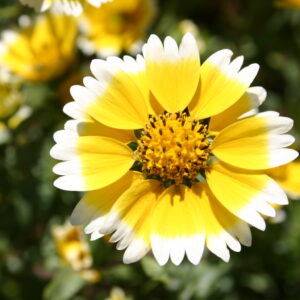
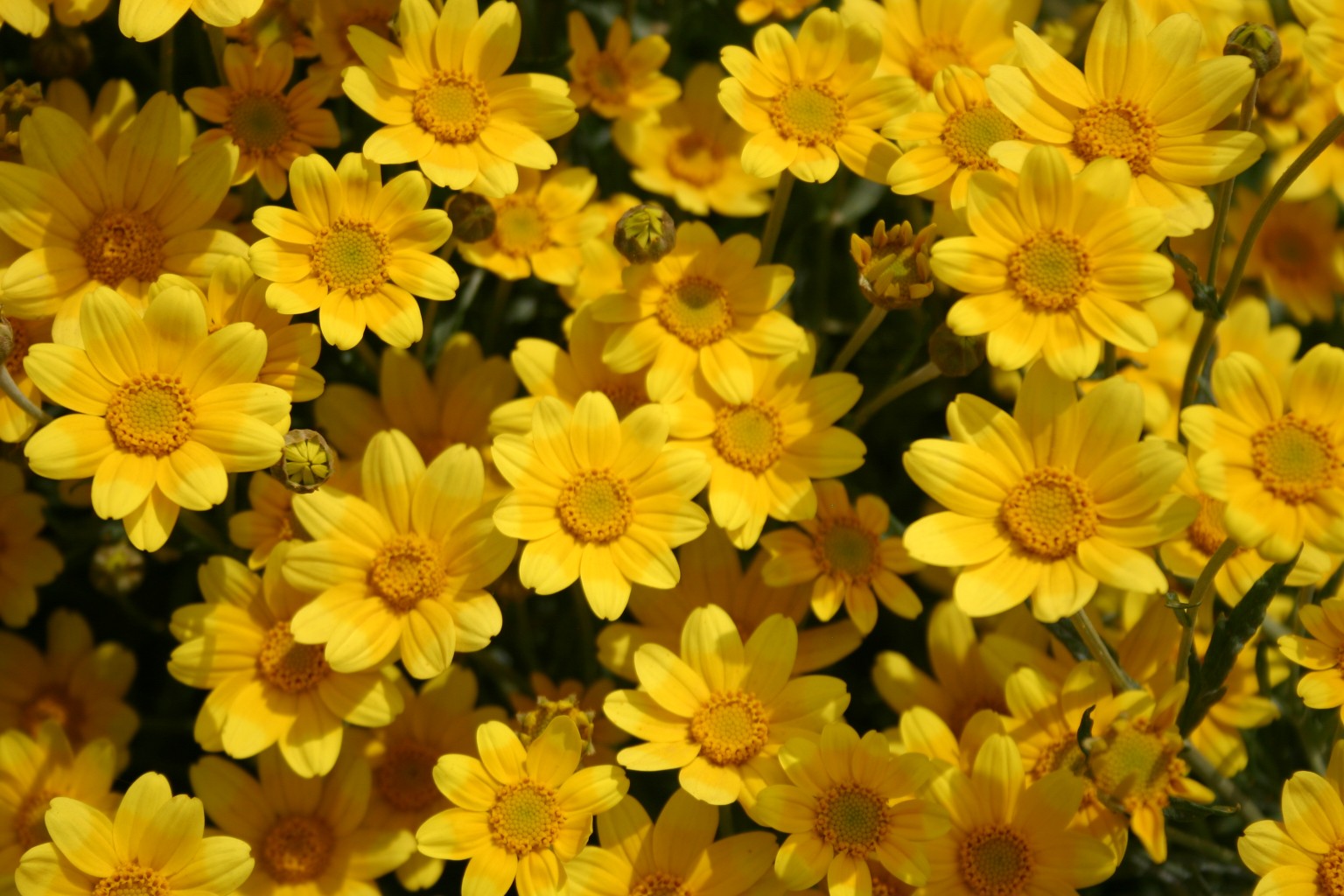
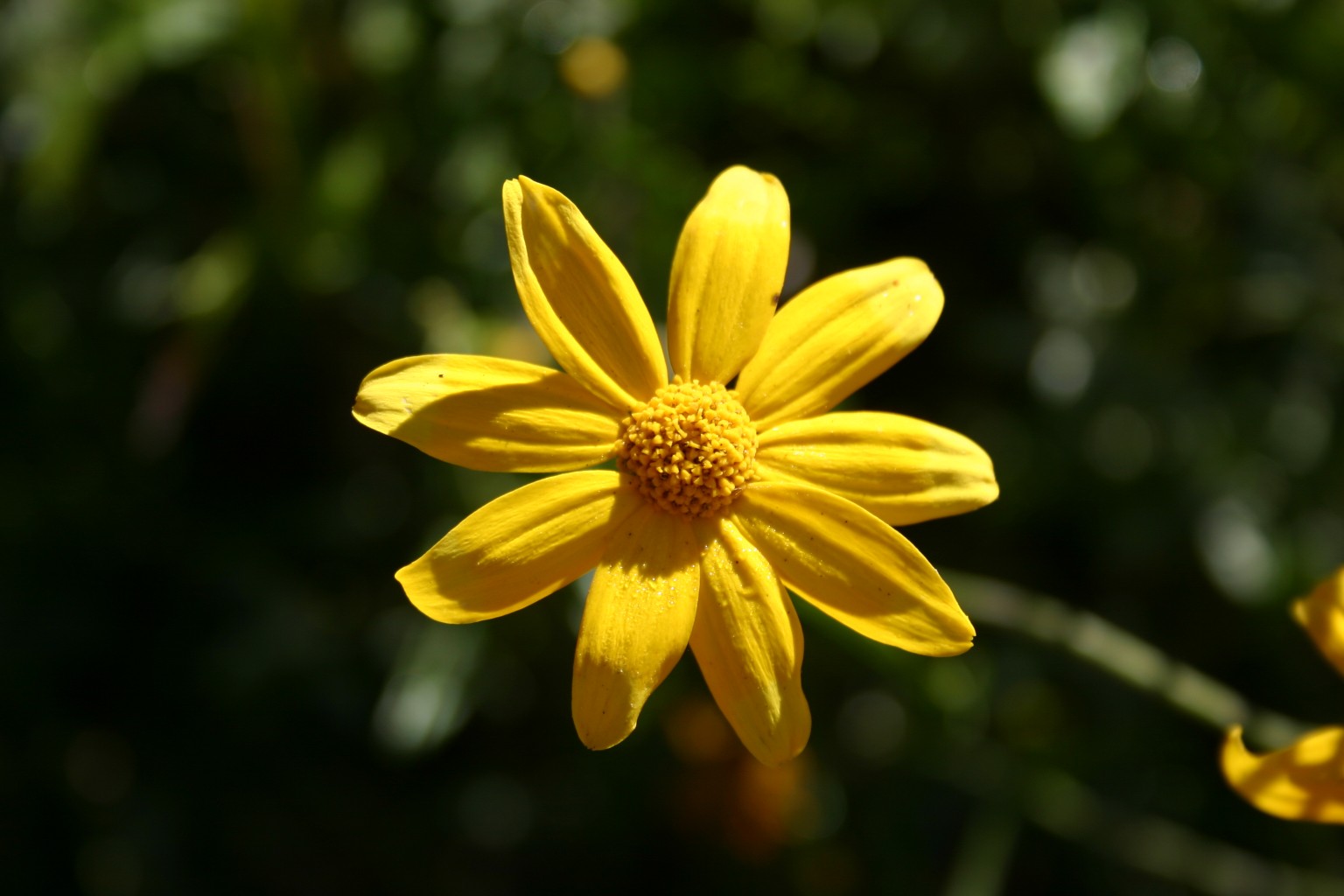
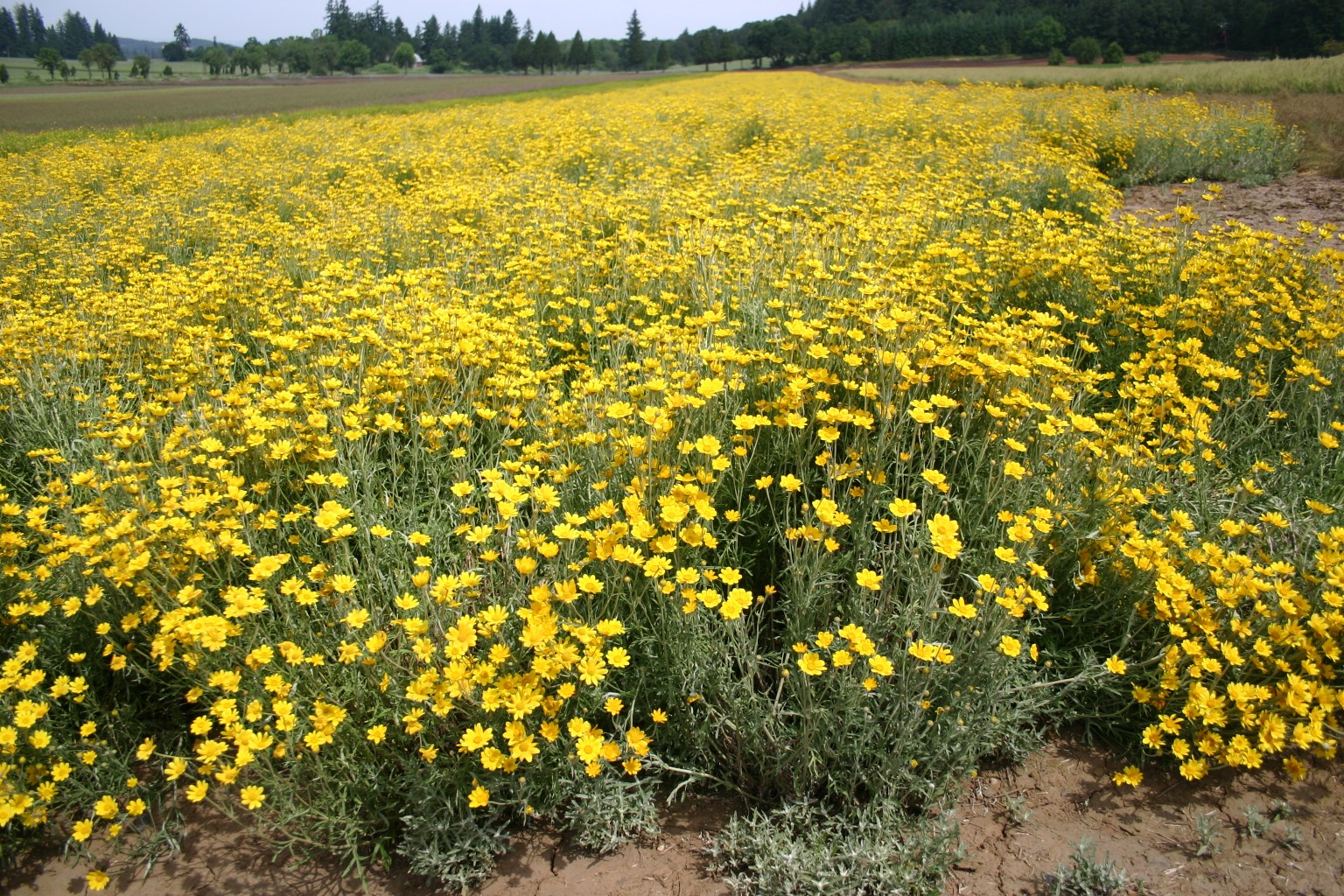
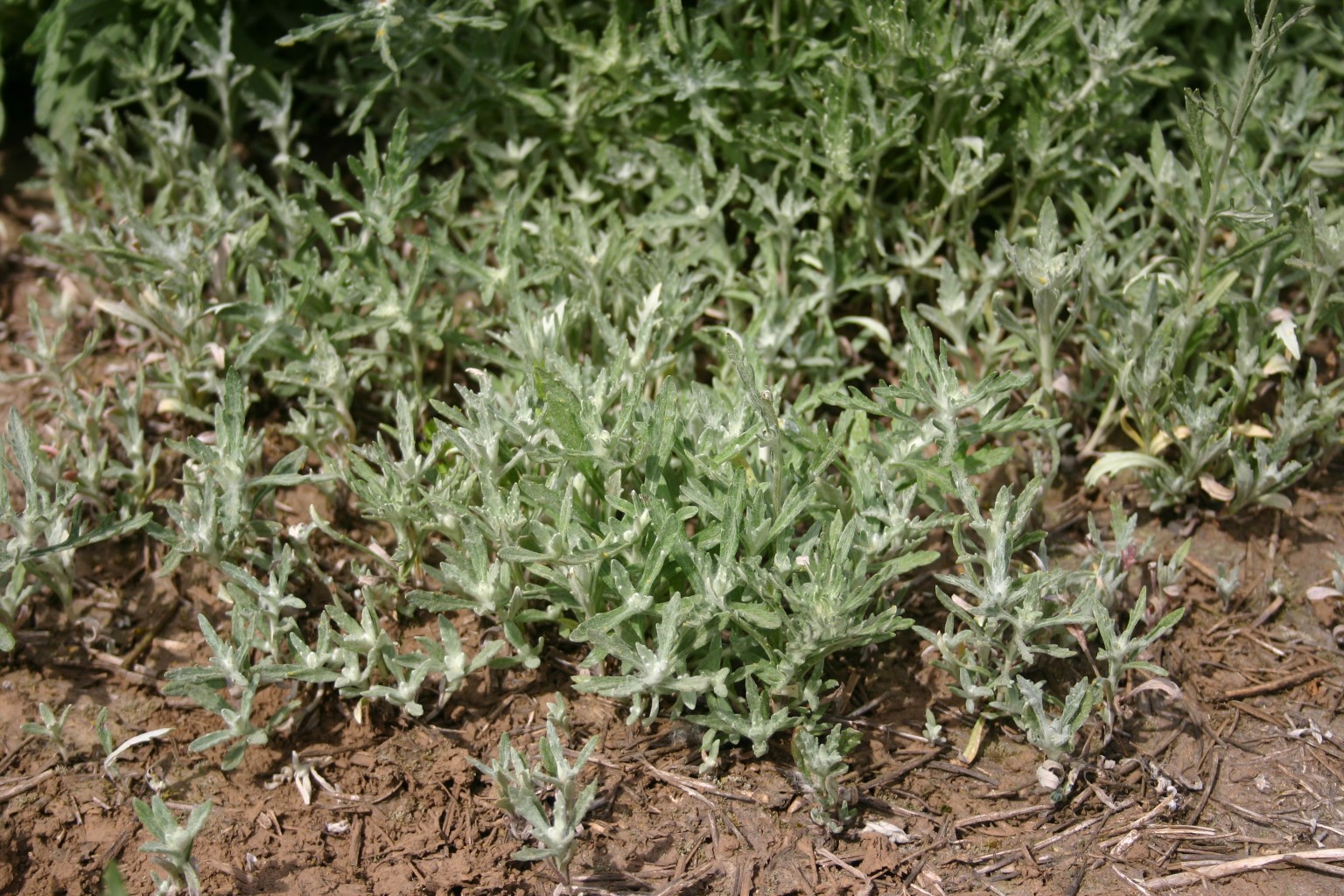
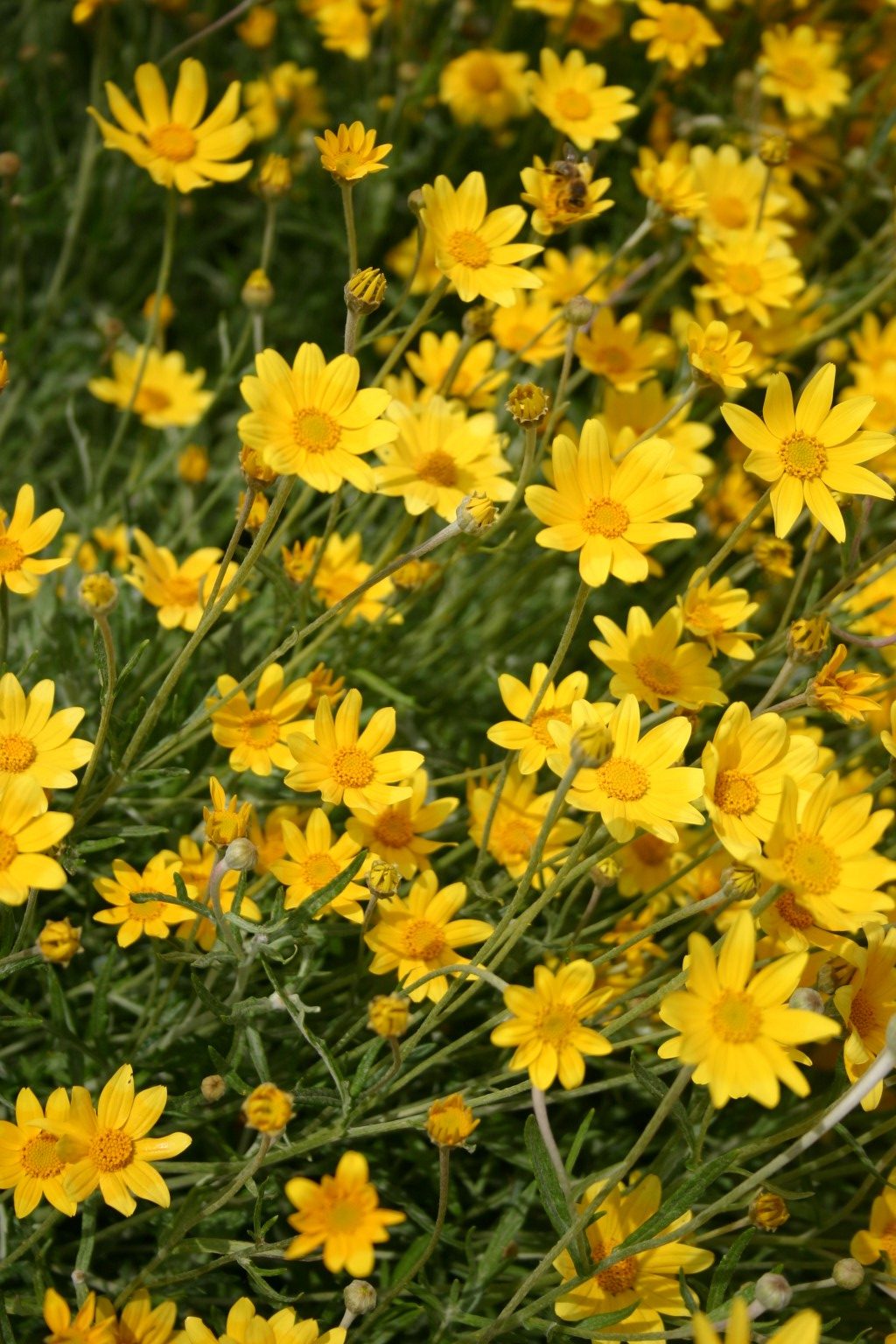
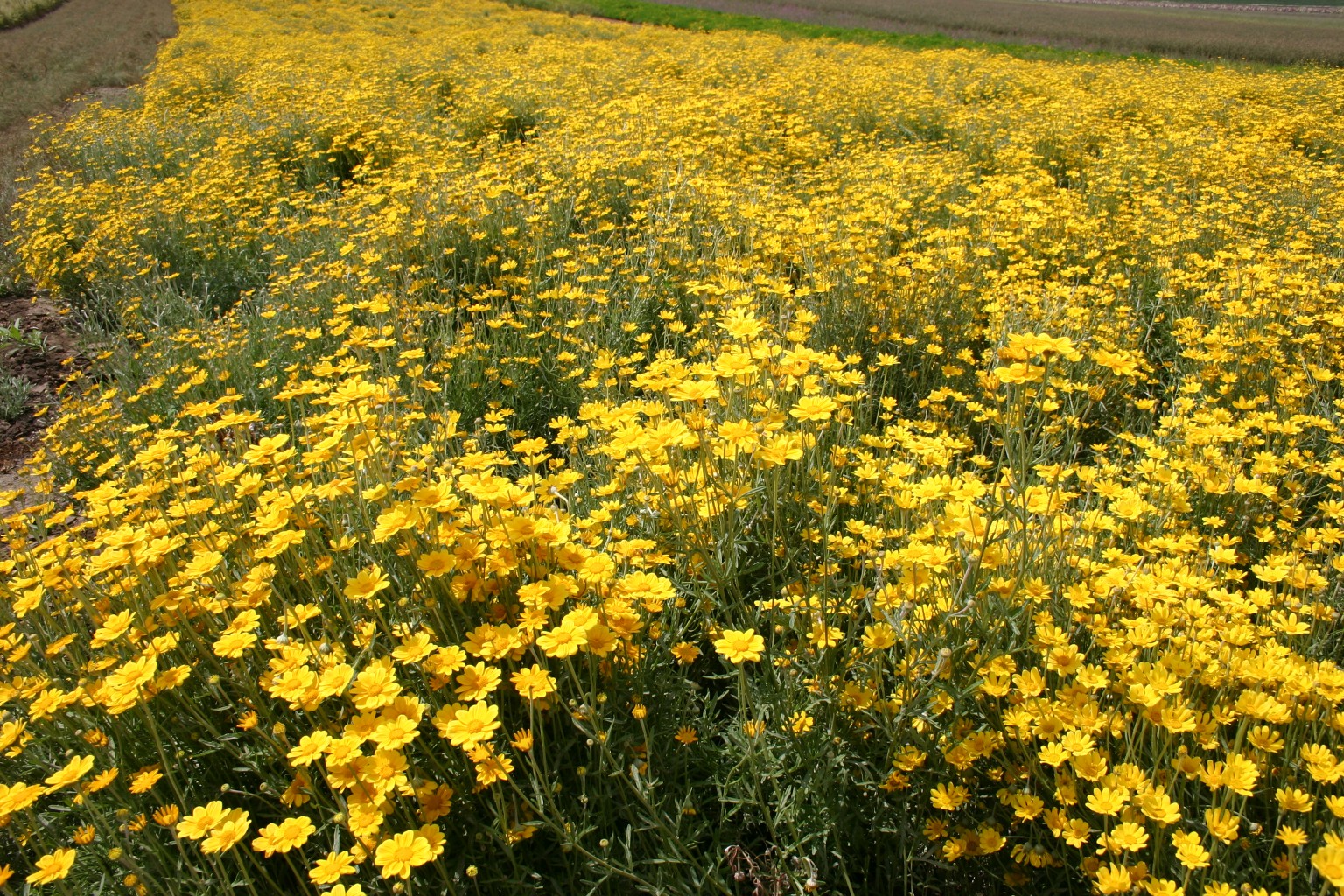
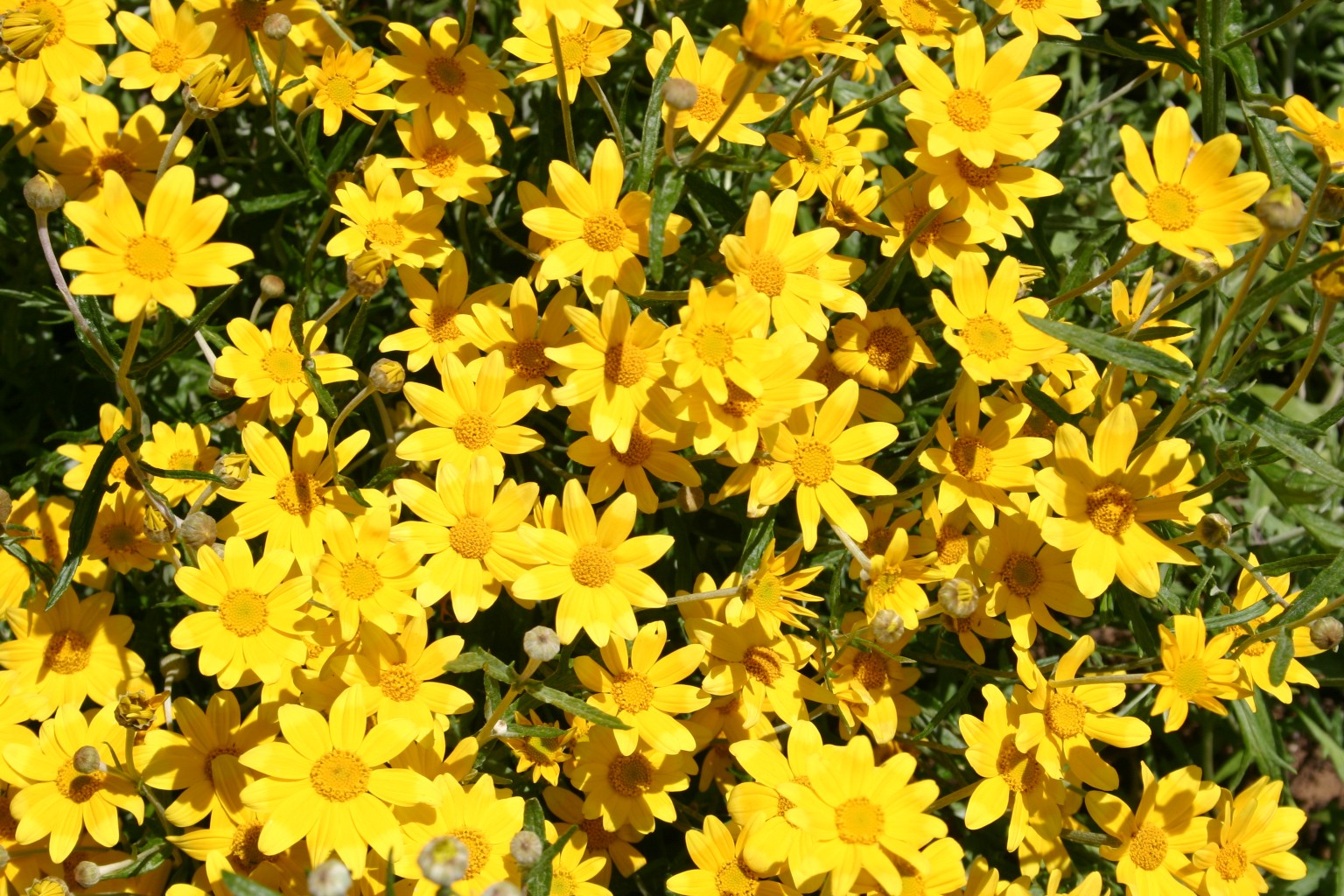
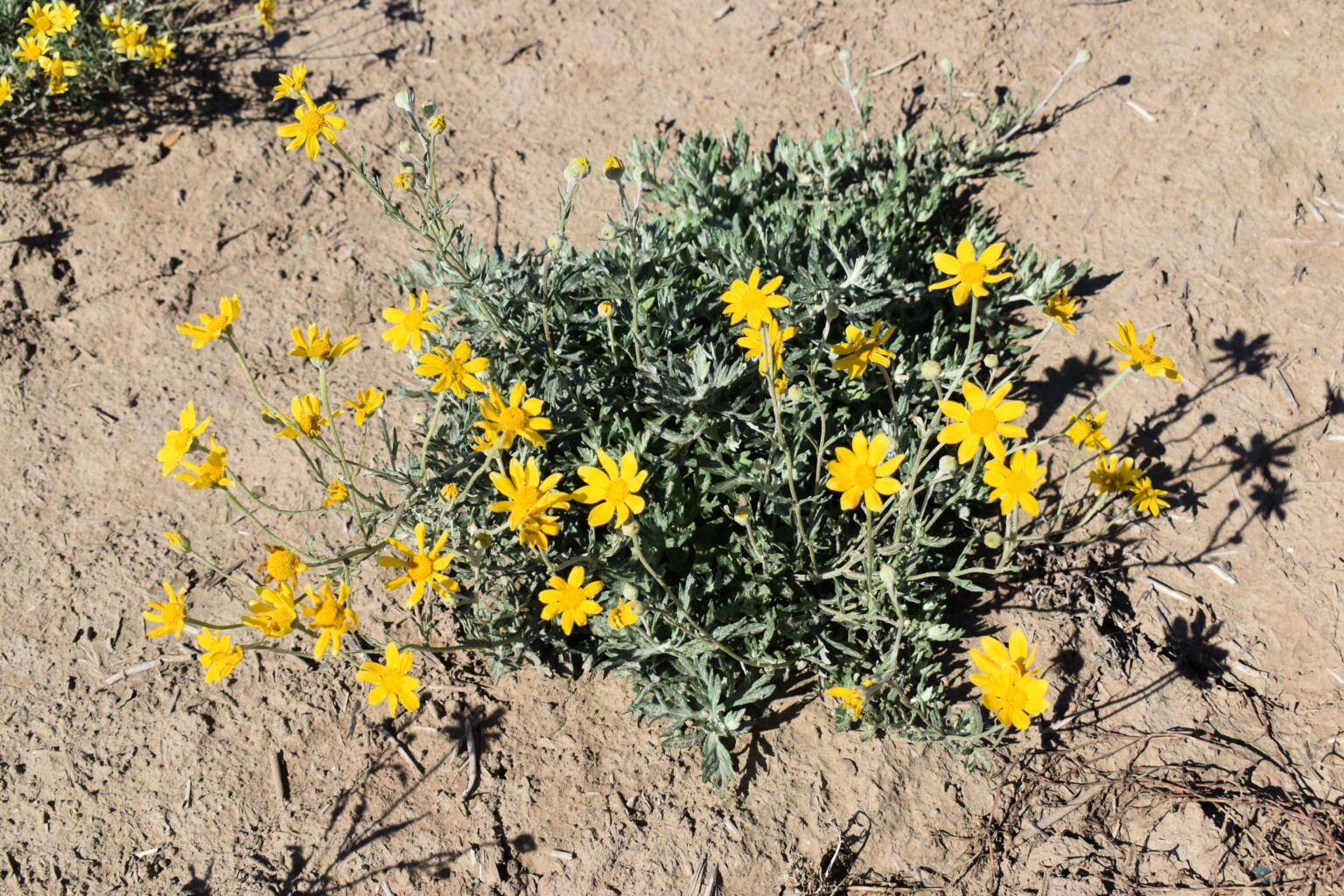
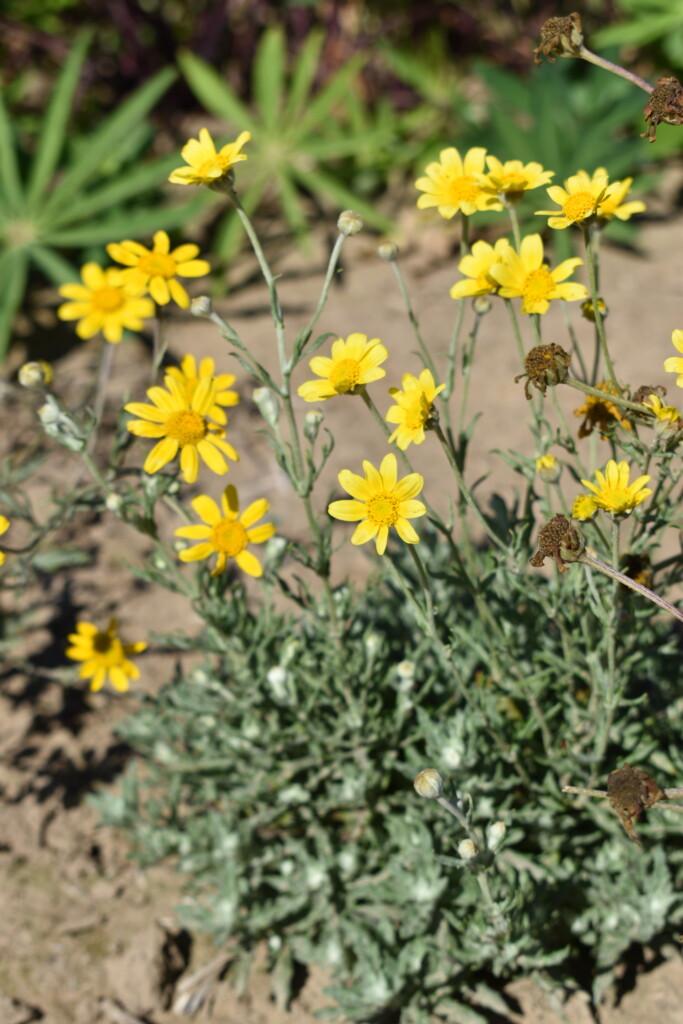
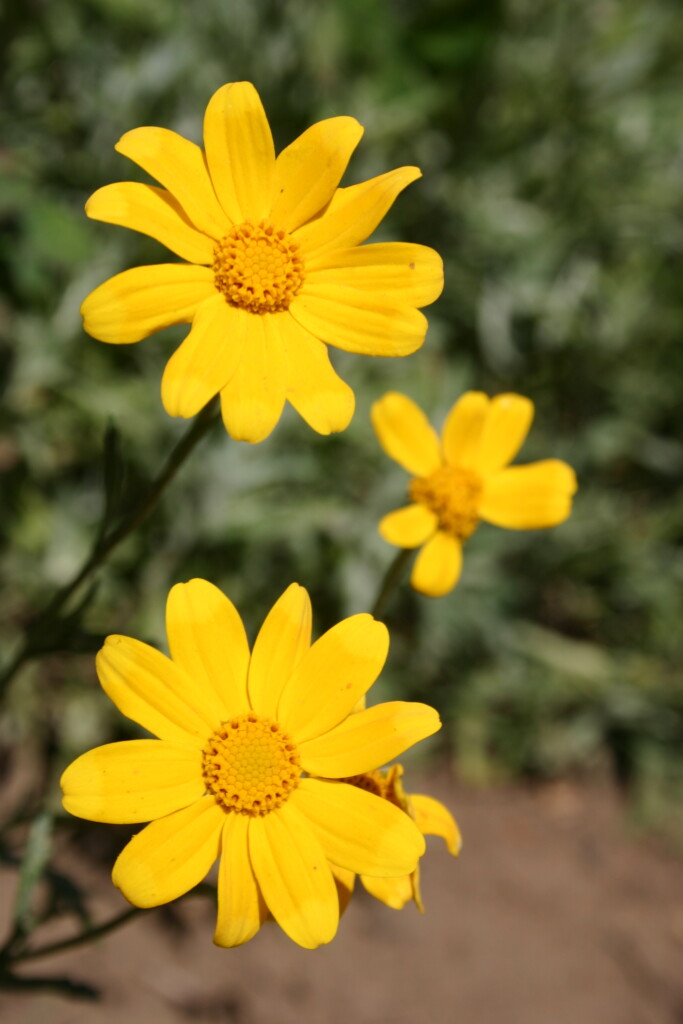
Oregon Sunshine (Eriophyllum lanatum), also known as Woolly Sunflower, is a hardy native wildflower known for its bright yellow, daisy-like flowers and gray-green, woolly foliage. Plants form low, spreading mounds and can grow from a few inches to about 2 feet tall, depending on the variety and growing conditions.
Oregon Sunshine grows best in full sun and well-drained soil. It is particularly well suited to dry, sandy, rocky, and gravelly sites and can tolerate summer drought once established.
Oregon Sunshine is well suited to native wildflower meadows, prairie plantings, dry grasslands, restoration projects, rock gardens, slopes, roadsides, and naturalized landscapes. Its bright flowers and compact growth make it a useful addition to both large-scale restoration plantings and home gardens.
The flowers provide nectar and pollen for a wide variety of native bees and other beneficial insects. Oregon Sunshine is especially valuable to native pollinators and has been documented attracting numerous genera of bees.
Oregon Sunshine is a perennial, although individual plants may be relatively short-lived under some conditions. Established plants can return and flower for multiple growing seasons.
Native Range
British Columbia south through California and east to Montana, Idaho, Utah, Nevada, and Wyoming.
Oregon Sunshine is native throughout much of the Pacific Northwest and Intermountain West. It occurs in dry, open habitats including grasslands, rocky slopes, bluffs, sagebrush communities, open woodlands, and exposed sites.
Pacific Northwest Planting
Fall is the preferred planting season for Oregon Sunshine when growing from seed.
Prepare a firm, weed-free seed bed and broadcast the seed over the soil surface. Press the seed firmly into good contact with the soil and avoid deep burial.
Many populations have seed dormancy and benefit from natural winter conditions before germinating in spring.
Fall Planting
Fall planting allows Oregon Sunshine seed to experience the cool, moist conditions that can help break dormancy.
Sow after temperatures have cooled and fall moisture is available. Broadcast the seed evenly over the prepared planting area and press it firmly into the soil surface.
Spring Planting
Spring planting can also be used, although fall planting is generally preferred for direct seeding.
If planting in spring, sow the seed as early as practical and keep it very shallow. Germination may be less uniform if seed has not received the natural cold, moist conditions associated with fall planting.
Planting in Other Regions
Oregon Sunshine is well suited to much of the western United States where sunny conditions and well-drained soils are available.
It performs particularly well in dry climates and locations with limited summer moisture. Avoid poorly drained sites where excess water remains for extended periods.
Establishment & Growth
Oregon Sunshine establishes best in open areas with good sunlight and limited competition from aggressive grasses and weeds.
Seed should be sown very shallowly, less than 1/8 inch deep, with good seed-to-soil contact.
Plants develop during the growing season and generally flower from late spring through early summer. Bloom timing varies with elevation, climate, and local conditions.
Once established, Oregon Sunshine can persist for many years and requires relatively little maintenance.
Choosing the Right Site
Choose a location with full sun and well-drained soil.
Oregon Sunshine is particularly well suited to:
- Native wildflower meadows
- Prairie plantings
- Dry meadows
- Open grasslands
- Restoration projects
- Rock gardens
- Rocky or gravelly sites
- Slopes and embankments
- Roadsides
- Naturalized landscapes
- Low-water native gardens
Its low, mounding growth habit works especially well with grasses and other native wildflowers of varying heights.
Pollinator & Wildlife Value
Oregon Sunshine provides nectar and pollen for native bees and other beneficial insects.
Its yellow flowers are particularly attractive to a diverse range of native bees, making it an excellent choice for pollinator-focused native plantings.
Larger Quantities
For quantities larger than those currently listed for sale, please contact us for availability and pricing.
Seeding Rates
The broadcast rate for seeding is 16–20 pounds per acre.
The seed drill rate for seeding in rows is 8 pounds per acre.
| Purchasing Options | Price | Quantity | |
|---|---|---|---|
| Small Packet | $2.50 | ||
Covers approximately 5 square feet. |
|||
| 5 Gram | $3.00 | ||
Covers approximately: |
|||
| 1/32 Pound | $12.00 | ||
Covers approximately: |
|||
| 1 Pound | $285.00 | ||
Covers approximately: |
|||
| Scientific Name | Eriophyllum lanatum |
|---|---|
| Product Type | Native Flower |
| Color | Yellow |
| Cycle | Perennial |
| Origin | NW Native species, North American Native species |
| Height | 12-24" |
| Bloom Season | Spring, Summer |
| Weeks to Bloom | 6 to 8 weeks |
| USDA Zone | 5 to 10 |
| Seeds Per Pound | 2,000,000 |
| Seeding Rate (lb./acre) | 8 |
| Pollen/Nectar | Nectar |
| Pollinator(s) | Honey Bees, Native Bees |
| Notes | Attractive to Many Bees & several species of butterflies. |
| Planting Season | Fall |