



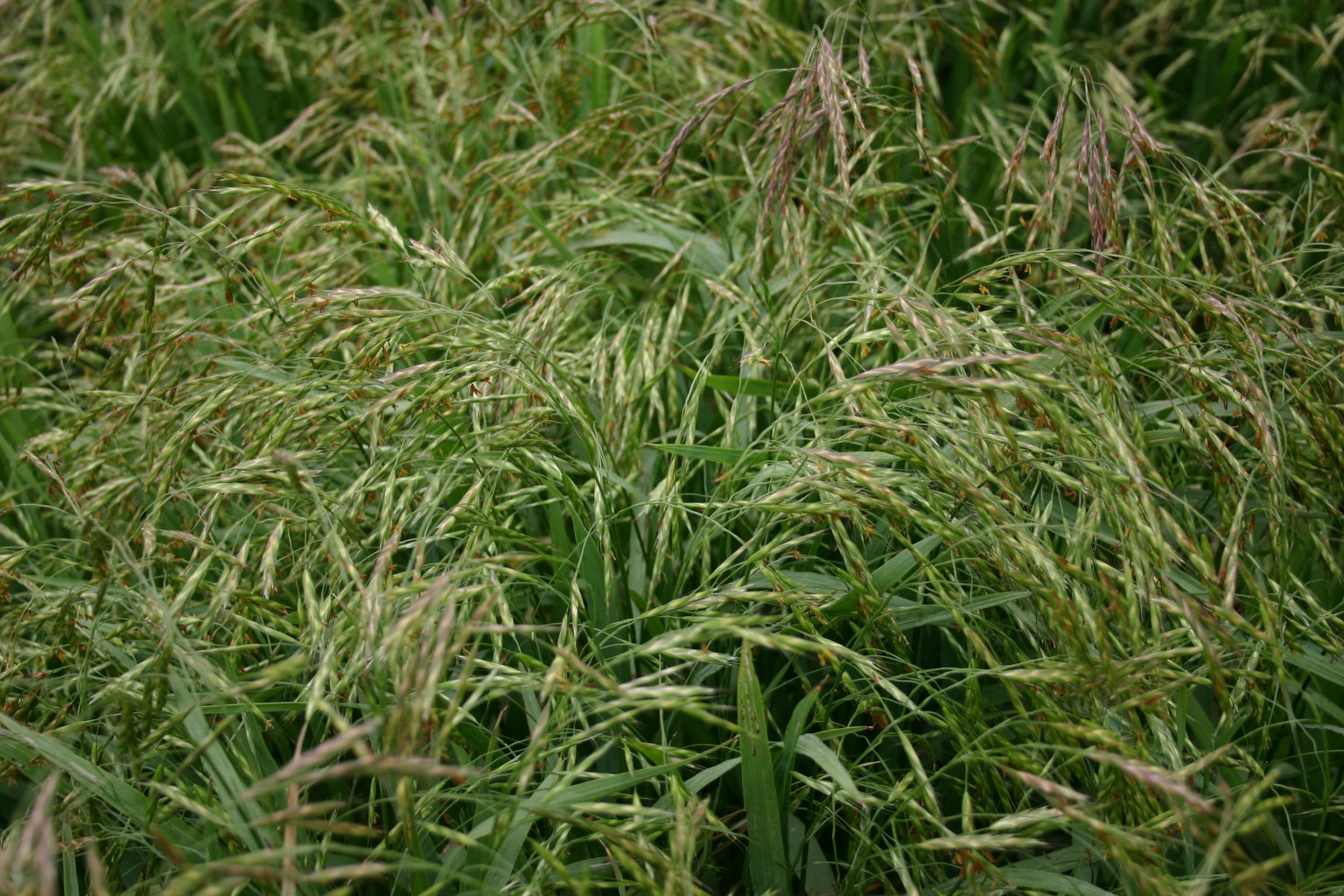
Wild Game Garden Wildlife Mix
$59.10 – $691.50Price range: $59.10 through $691.50
TO ORDER & SEE PRICING SCROLL DOWN
Wild Game Garden Wildlife Mix combines flowering plants, forage species, legumes, and grasses to provide a diverse wildlife planting with both food and habitat value. The mix includes burnet, turnip, crimson clover, buckwheat, chicory, and several grasses, creating a varied planting with different growth habits and seasonal characteristics.
The combination of broadleaf forage and grasses provides wildlife with a range of vegetation as the planting develops. Flowering species can also provide resources for pollinators and beneficial insects, while the grasses add vegetation and structure to the planting.
Seed Mix
Burnet (P)
Turnip – Purple Top (A)
Clover – Crimson (A)
Buckwheat (A)
Hairgrass – Tufted (P)
Chicory (P)
Brome – California (P)
Fescue – Chewings (P)
- = Annual (P) = Perennial
Ingredients may vary depending on seed availability.
Best Uses
Wild Game Garden Wildlife Mix is particularly well suited for:
- Deer and elk forage areas
- Wildlife food plots
- Wildlife habitat plantings
- Upland bird habitat
- Open fields and clearings
- Woodland edges with adequate sunlight
- Supplemental forage plantings
- Areas where forage and vegetation cover are desired
- Wildlife areas where a diverse planting is preferred
Wildlife It May Benefit
Wild Game Garden Wildlife Mix is designed primarily to provide forage and habitat for deer, elk, and other wildlife. The combination of broadleaf plants and grasses can provide different food and cover opportunities as the planting develops.
- White-tailed deer and mule deer – may browse turnips, clover, chicory, burnet, buckwheat, and other vegetation in the planting.
- Elk – may use the broadleaf forage and grasses for food where the planting is accessible.
- Wild turkey – may use the vegetation for forage, insects, seeds, and cover.
- Quail and other upland game birds – may use the planting for food and cover, particularly when located near suitable habitat.
- Doves and other seed-eating birds – may use seeds produced as some plants mature.
- Rabbits and other small mammals – may use the vegetation for food and cover.
- Pollinators and beneficial insects – flowering clover, buckwheat, chicory, and other broadleaf plants can provide floral resources when in bloom.
Wildlife use will vary by region, season, surrounding habitat, wildlife populations, and the availability of other natural food sources. Food plots are most beneficial when incorporated into a broader habitat-management plan that also provides adequate cover and other habitat needs.
Establishment & Growth
This blend contains species with different germination rates, growth habits, and life cycles, so the planting will not develop as a uniform stand.
Turnips, crimson clover, buckwheat, burnet, and chicory provide broadleaf vegetation, while tufted hairgrass, California brome, and Chewings fescue contribute grasses and additional structure.
Buckwheat is a warm-season annual that can establish and grow rapidly under favorable warm conditions. Turnip and crimson clover provide additional forage as they develop, while perennial components can persist beyond the initial growing season when site conditions are favorable.
The different species may become more prominent at different times depending on soil fertility, moisture, temperature, competition, grazing pressure, and local growing conditions.
Site Selection
Wild Game Garden Wildlife Mix performs best in open areas with good sunlight, adequate moisture, and well-drained soil.
A fertile, properly prepared seedbed will improve establishment. Avoid areas with persistent standing water or heavy competition from established weeds and grasses.
For woodland or brush-edge plantings, choose openings with enough sunlight to support forage production. Dense shade is not recommended.
Regional Fit
Pacific Northwest — Good Choice
This mix can perform well throughout suitable areas of the Pacific Northwest where adequate soil moisture and sunlight are available. It is particularly appropriate for open wildlife plots, fields, clearings, and woodland edges with sufficient sunlight.
Fall planting is generally preferred for establishing the cool-season components of the mix. Spring planting can also be successful when soil conditions, temperatures, and moisture are suitable.
The warm-season buckwheat component will perform when temperatures are favorable but will decline as temperatures cool. In drier portions of the region, dependable seasonal moisture or irrigation may be necessary for successful establishment.
Northern U.S. — Good Choice
The combination of cool-season forage species, crimson clover, turnip, grasses, and warm-season buckwheat makes this blend suitable for many northern areas where wildlife plantings can be established.
Fall planting is generally preferred for establishing the cool-season components before severe winter weather. Spring planting can also be used when conditions are suitable.
Buckwheat is a warm-season annual and contributes primarily during periods of warmer growing conditions. It should not be expected to remain productive through freezing temperatures.
Southern U.S. — Good Choice
Wild Game Garden Wildlife Mix can be used in many areas of the Southern U.S. as a wildlife forage and habitat planting.
Fall planting is generally preferred for establishing the cool-season components such as turnip and crimson clover. Spring planting can also be used when soil temperatures and moisture are suitable.
In warmer areas of the South, buckwheat can provide a warm-season component, while the cool-season species provide forage during more favorable cooler conditions.
Planting
Preferred planting seasons: Spring and Fall
Fall planting is generally preferred when the primary objective is to establish the cool-season components of the mix, including turnip, crimson clover, and other cool-season species.
Spring planting can also be successful and may provide better conditions for establishing the warm-season buckwheat component. Plant when soil conditions, temperatures, and moisture are suitable for germination.
For either planting season, prepare a firm, clean seedbed and distribute the seed evenly. Because the blend contains both larger and smaller seeds, avoid deep planting. The smaller-seeded species should remain close to the soil surface.
Lightly incorporate or cover the seed and provide good seed-to-soil contact. Maintain adequate moisture during germination and early establishment.
For additional seedbed preparation and planting information, please visit our Planting Tips page.
Planting Considerations
- Soil testing is recommended before planting.
- Correct soil pH and fertility according to soil-test recommendations.
- Control existing weeds and competing vegetation before seeding.
- Prepare a firm seedbed with good seed-to-soil contact.
- Avoid planting the seed too deeply.
- Provide adequate moisture during germination and establishment.
- Choose the planting season based on the desired growth period and the temperature requirements of the different species in the mix
- Heavy wildlife grazing can affect establishment and stand longevity.
- Allow adequate time for the different species to establish before heavy grazing pressure occurs.
What to Expect
Expect the appearance and composition of the planting to change as the different species develop.
Turnips, clover, chicory, burnet, and buckwheat provide broadleaf forage, while the grasses contribute additional vegetation and structure. Buckwheat can provide rapid warm-season growth when temperatures are favorable, while the cool-season components can provide forage under suitable cooler conditions.
Some species may become more prominent than others depending on soil conditions, moisture, temperature, competition, grazing pressure, and local growing conditions.
The perennial grasses and other perennial components can continue into subsequent growing seasons when conditions are favorable. Annual components will complete their life cycle, and the composition of the stand may change over time.
Wildlife may browse the vegetation, use the planting for cover, or feed on seeds and insects associated with the planting. Wildlife use will vary with local wildlife populations, surrounding habitat, weather, and the availability of other natural and planted forage.
Important Note
Wildlife food plots are most effective when used as part of an overall habitat-management plan. Results vary by site and growing conditions, and no seed mix can guarantee wildlife use or attraction.
For larger quantities than listed for sale please contact us for availability and pricing.
Seeding Rates
Broadcast seeding rate: 80–100 pounds per acre
Seed drill rate: 40 pounds per acre
| Purchasing Options | Price | Quantity | |
|---|---|---|---|
| 5 Pound Bag | $59.10 | ||
Covers approximately 5,445 square feet. |
|||
| 10 Pound Bag | $82.15 | ||
Covers approximately 10,890 square feet. |
|||
| 25 Pound Bag | $171.60 | ||
Covers approximately 27,225 square feet. |
|||
| 50 Pound Bag | $281.25 | ||
Covers approximately 54,450 square feet. |
|||
| 150 Pound | $691.50 | ||
Covers approximately 163,350 square feet. |
|||
| Product Type | Flower Mix, Forage Flower, Forage Legume, Forage/Pasture Grass, Grass Mix |
|---|---|
| Cycle | Perennial |
| Planting Season | Spring, Fall |
| Seeds Per Pound | 75,851 |
| Seeding Rate (lb./acre) | 40 |
| Color | Blue, Green, Red, White |
Related products
-
Cow and Sheep Mix
Forage Legume, Forage/Pasture Grass, Grass Mix, Perennial$209.70 – $846.00Price range: $209.70 through $846.00 -
Northern Shade Turf Blend
Grass Mix, Lawn/Turf Grass, Perennial$6.00 – $787.50Price range: $6.00 through $787.50 -
Northwest Grassland Economy Mix
Native Grass Mix, Perennial$2.50 – $135.00Price range: $2.50 through $135.00 -
Northwest Woodland Economy Mix
Flower Mix, Native Flower, Native Grass, Native Grass Mix, Perennial$2.50 – $150.00Price range: $2.50 through $150.00