
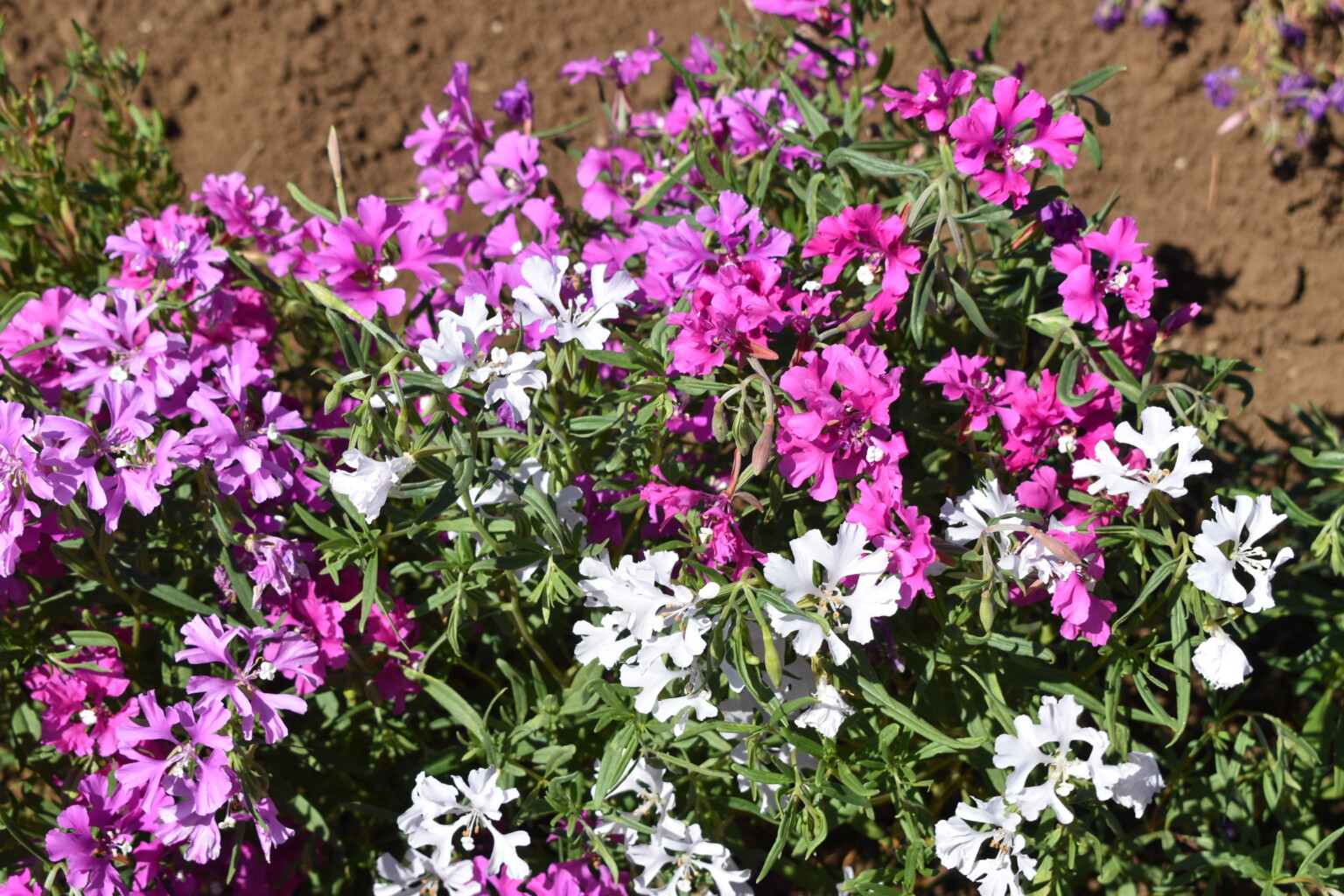
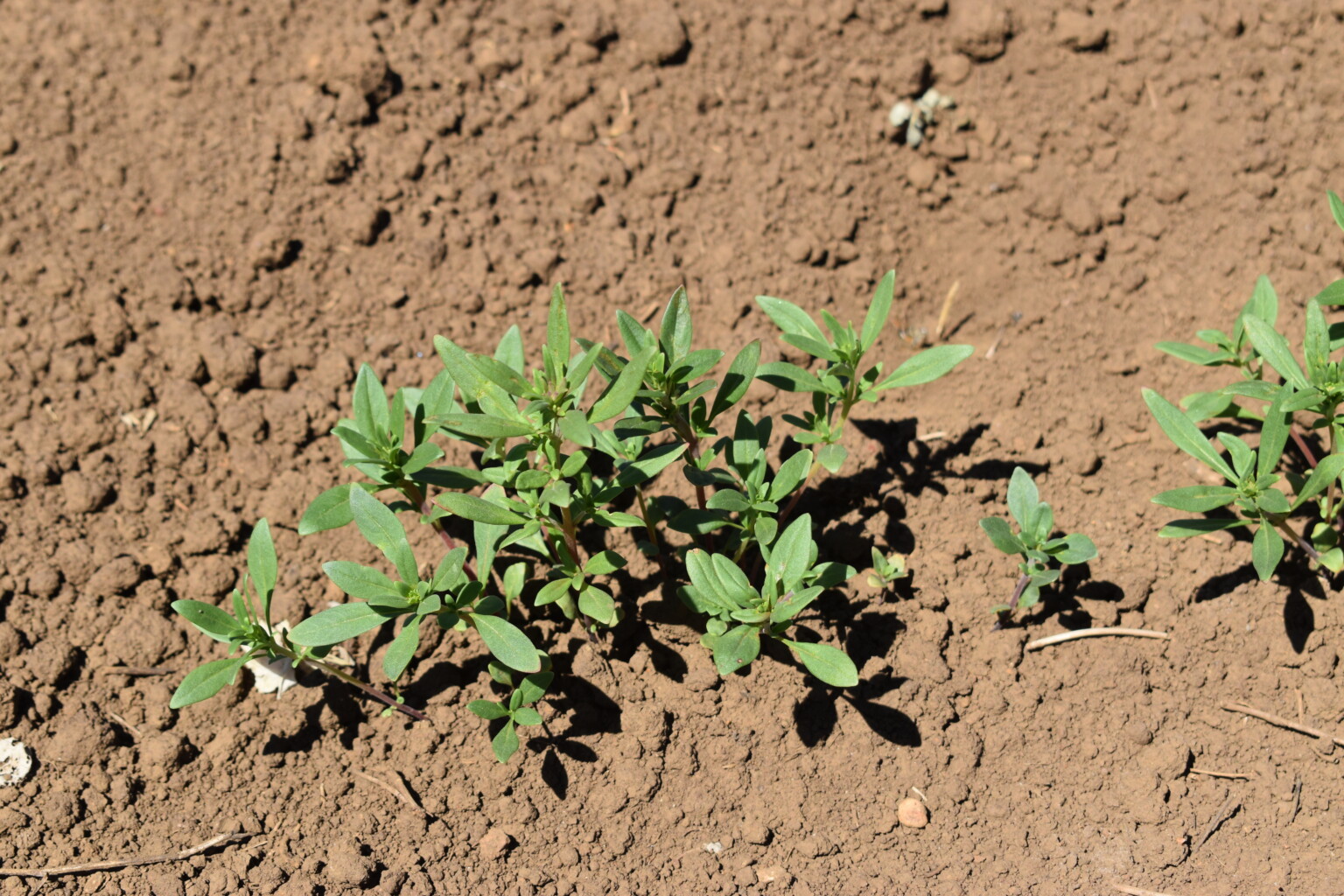
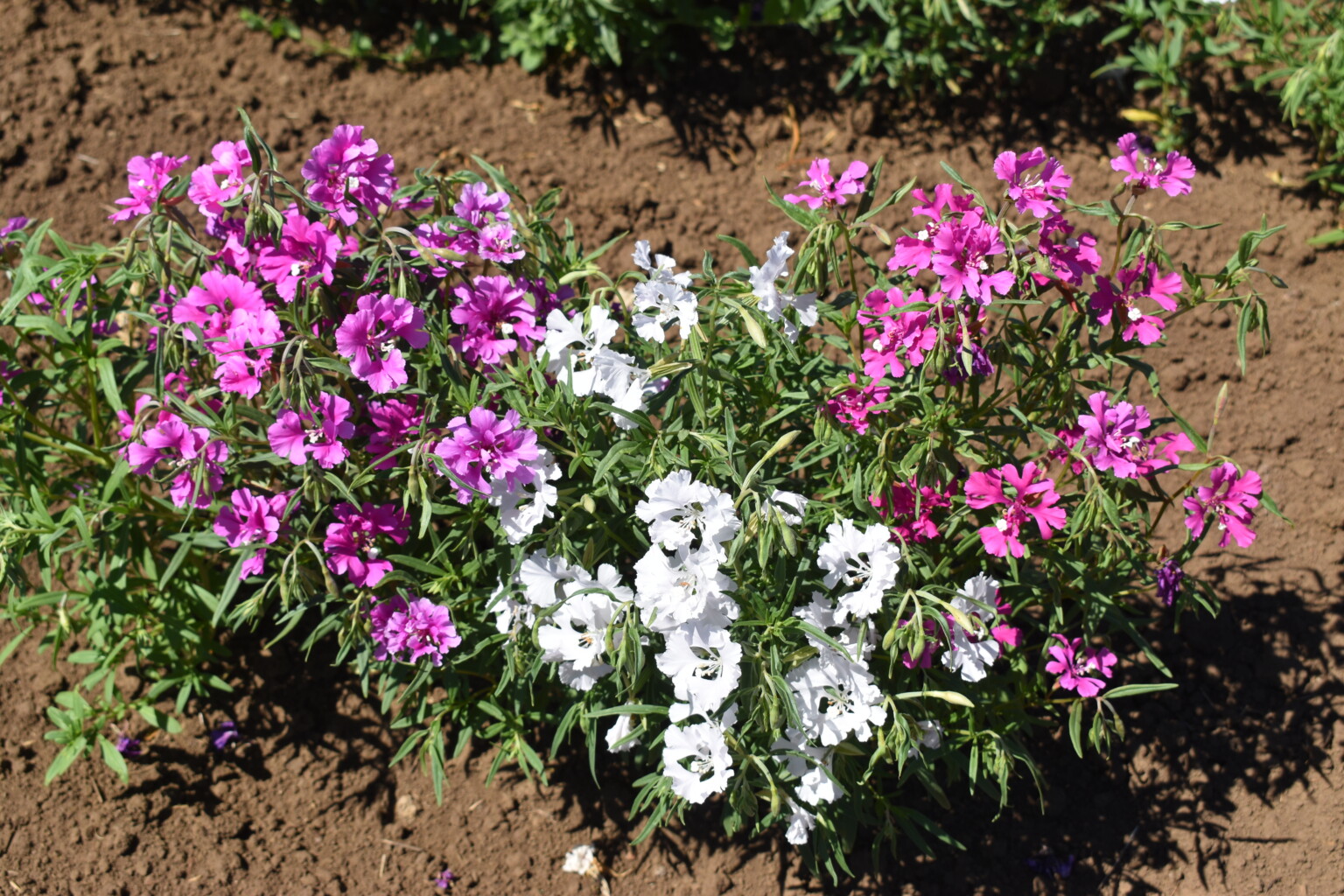
Clarkia Pink Fairies
$2.50 – $51.00Price range: $2.50 through $51.00
TO ORDER & SEE PRICING SCROLL DOWN
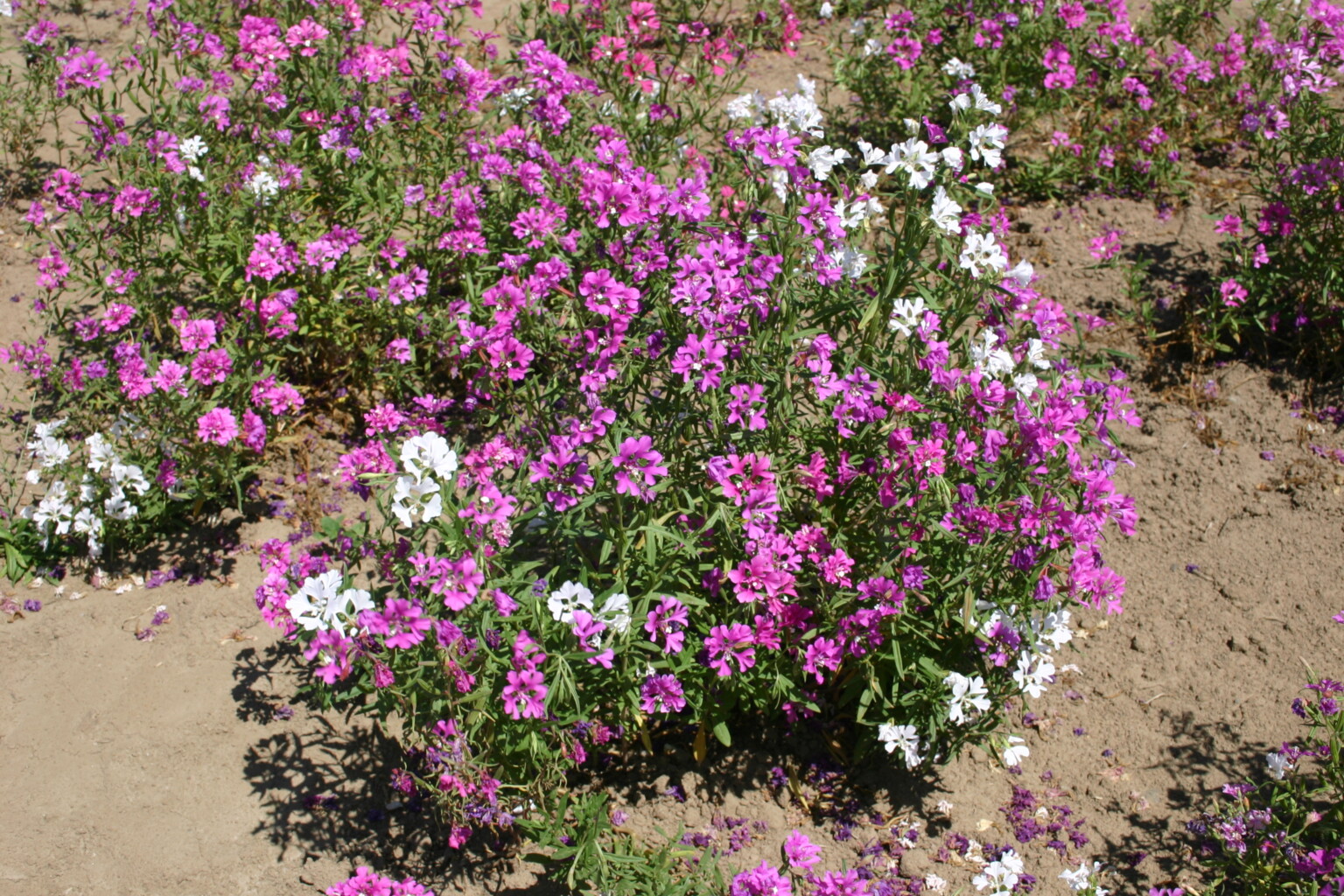
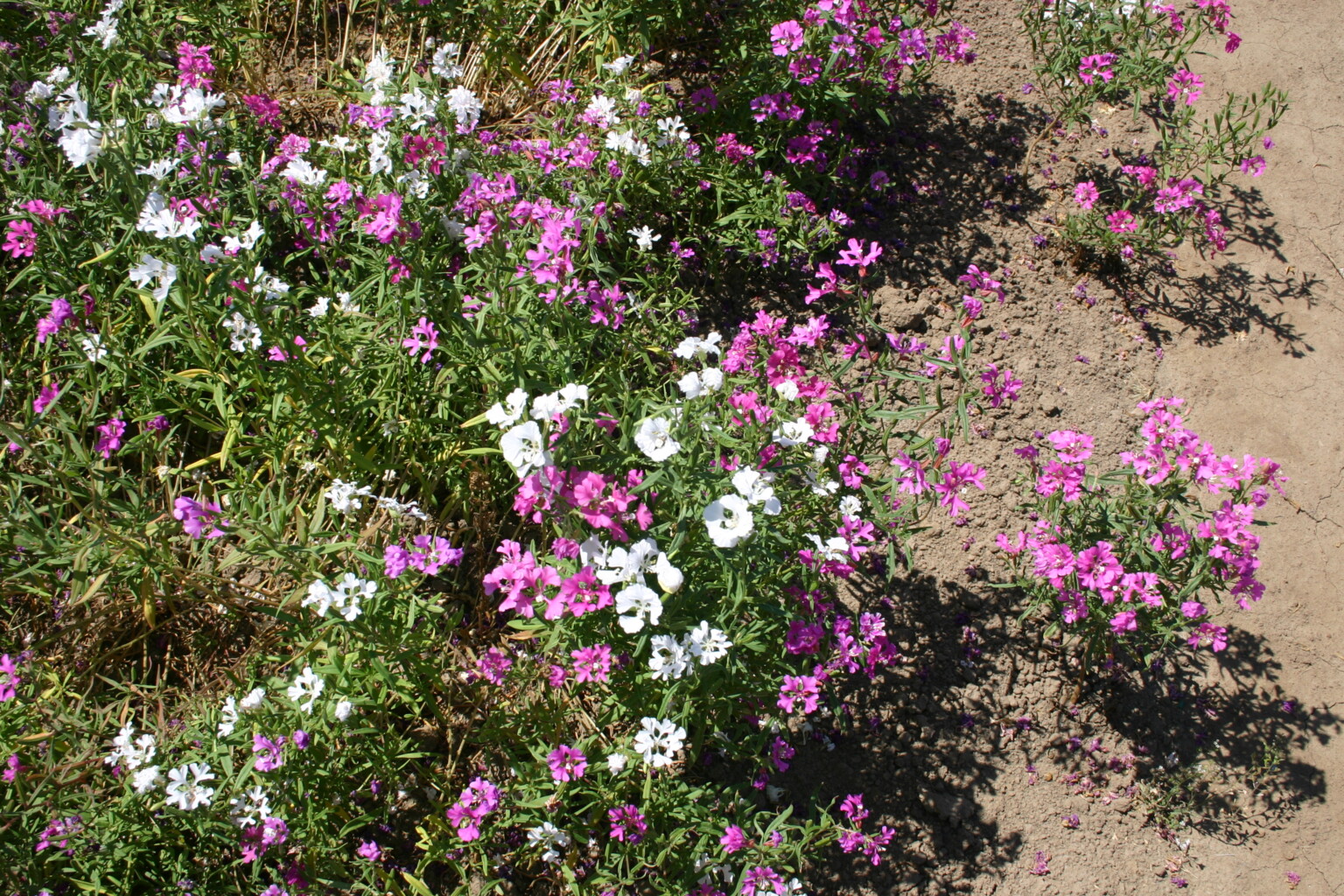
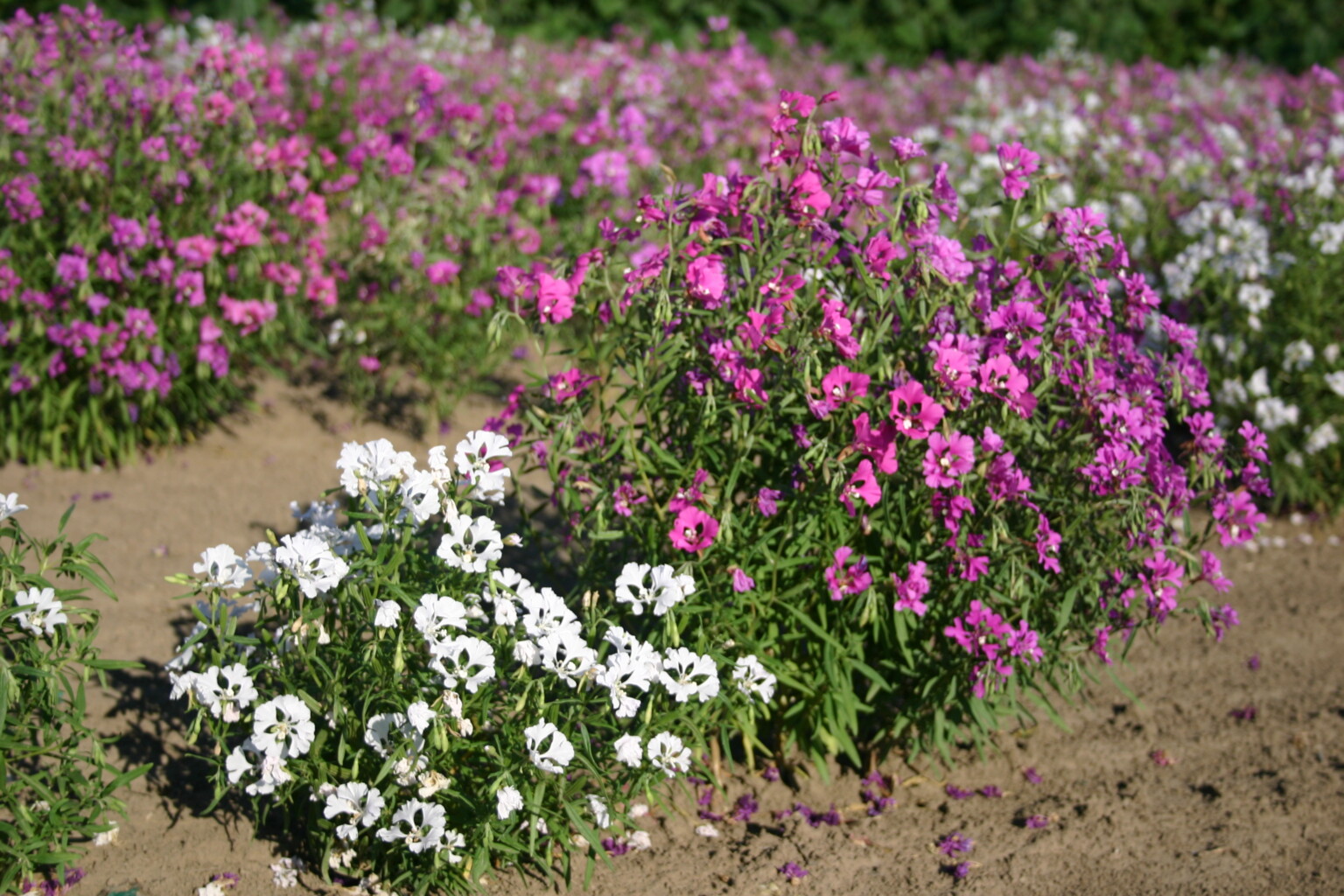
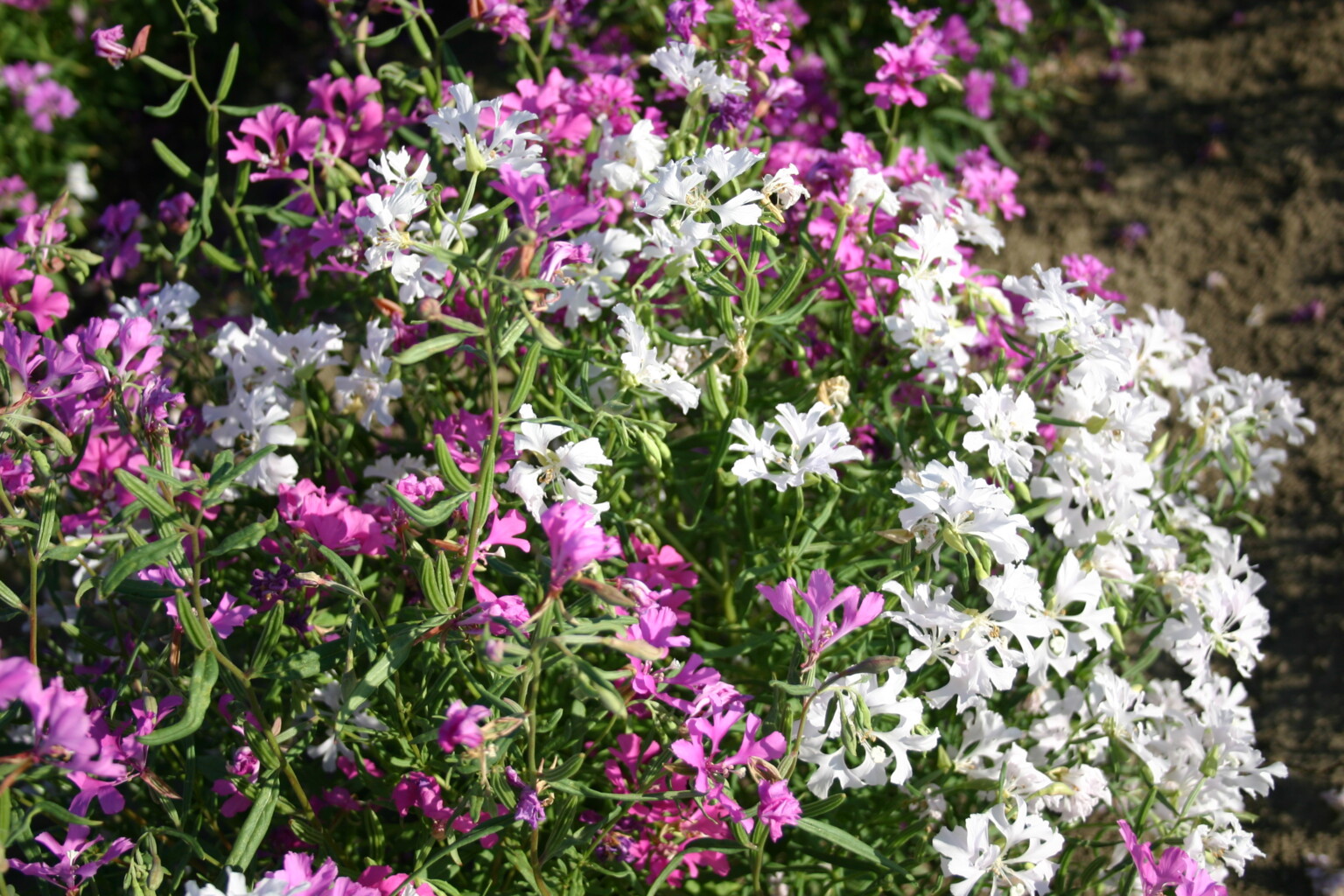
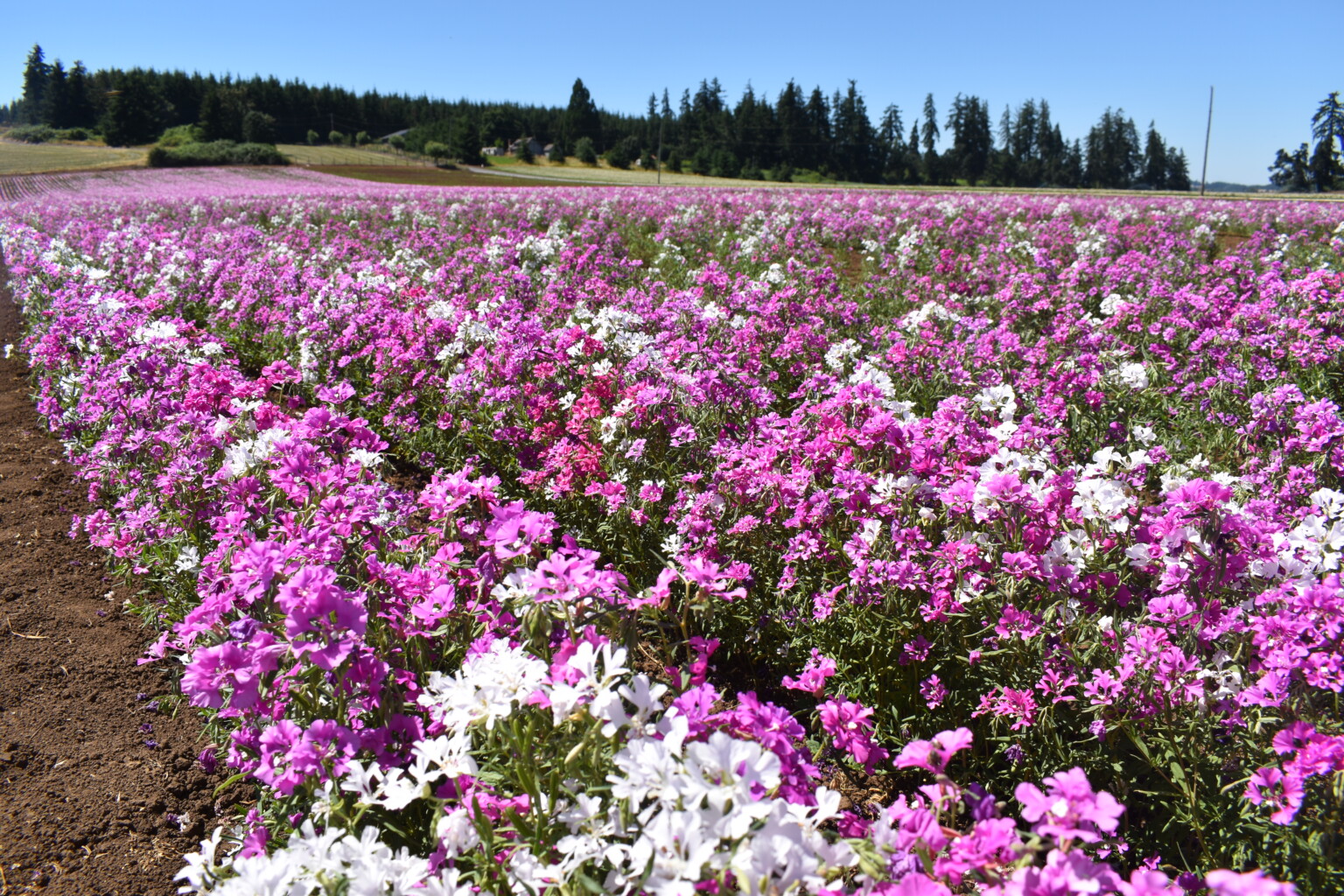
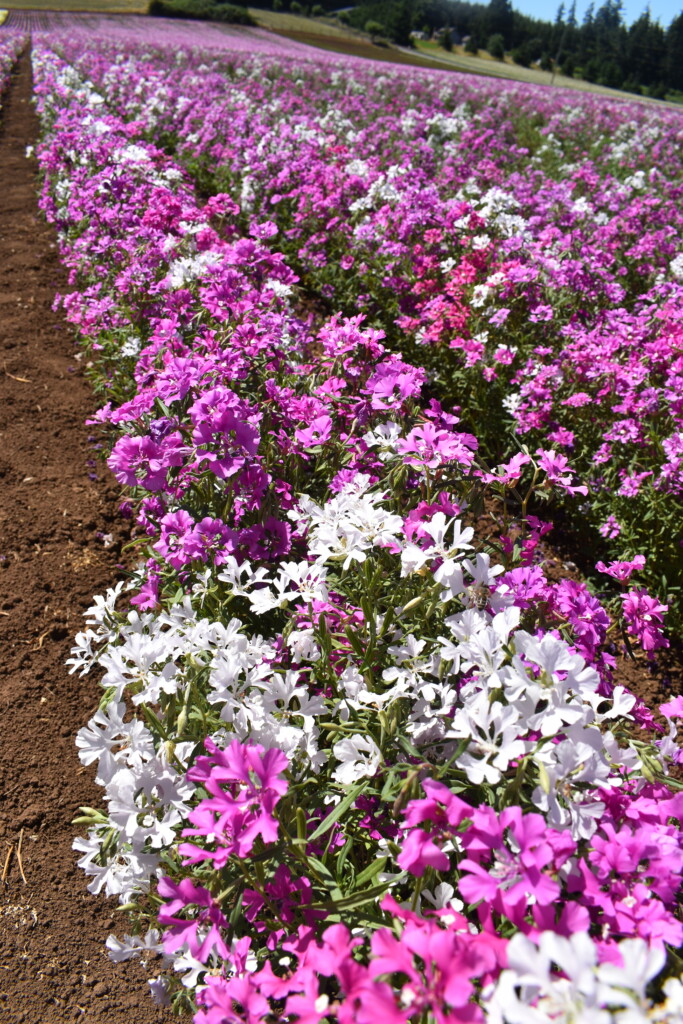
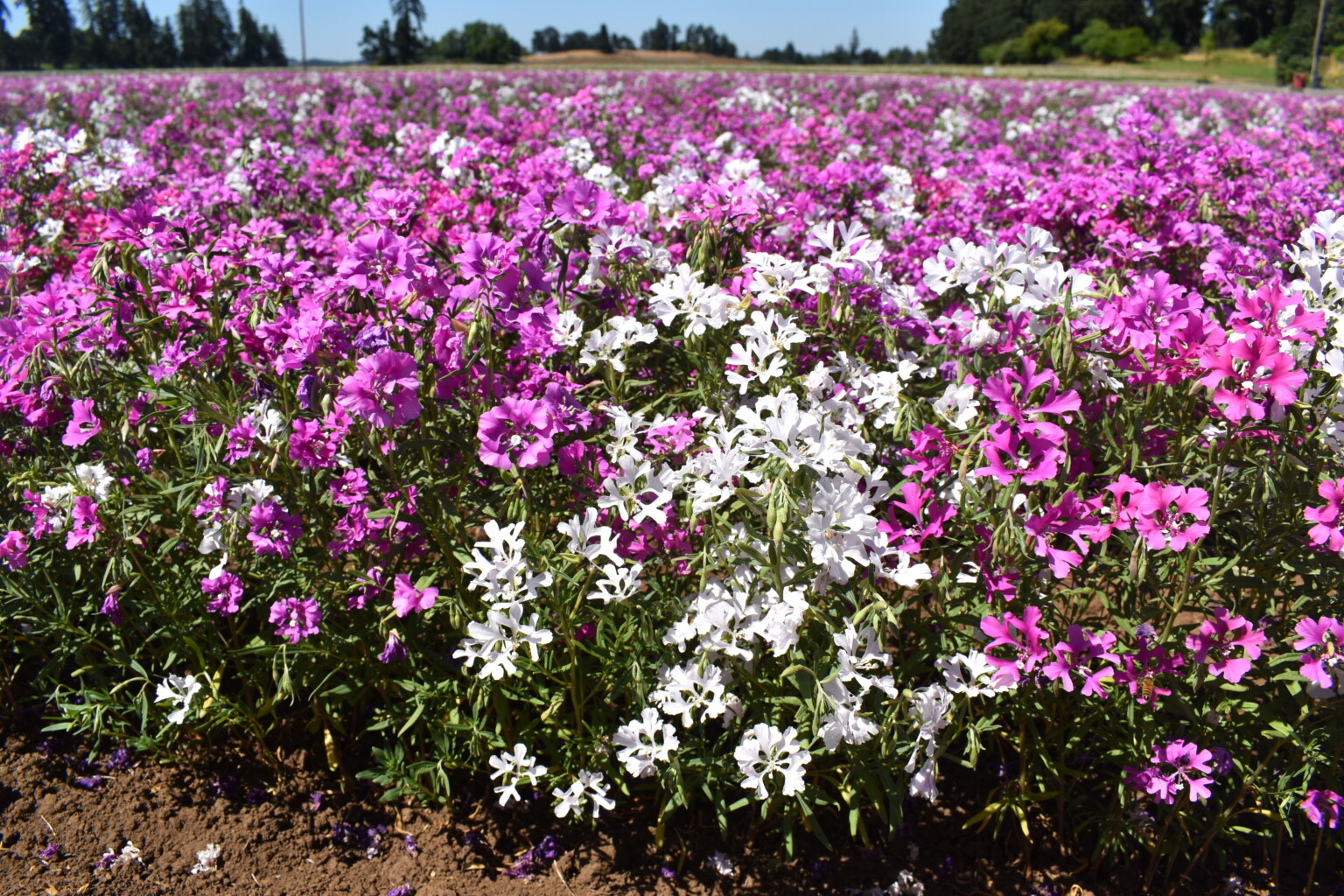
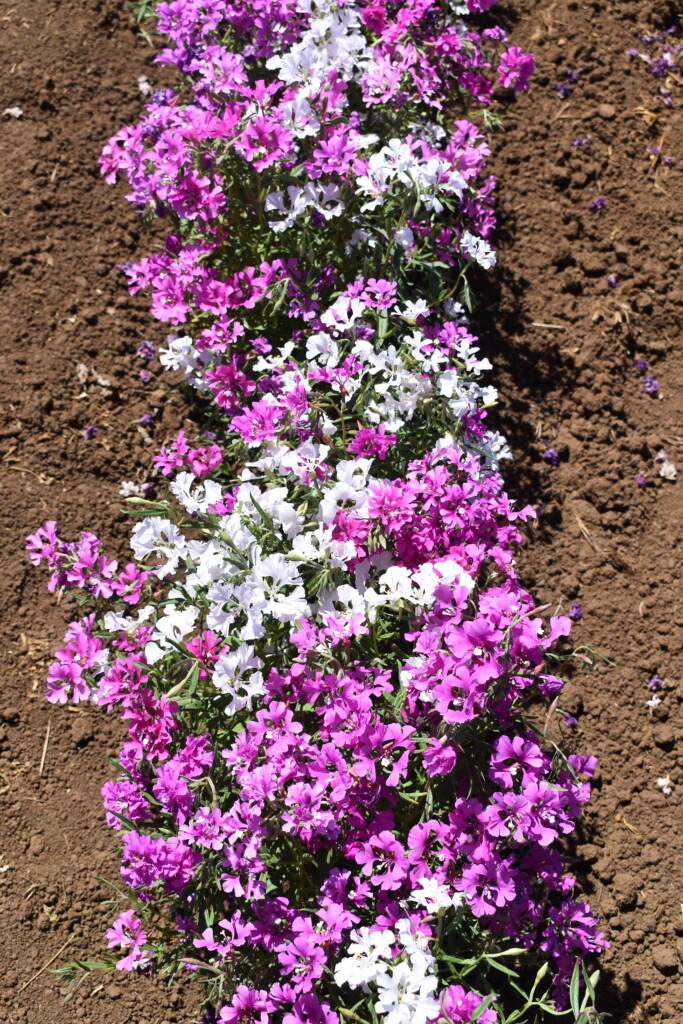
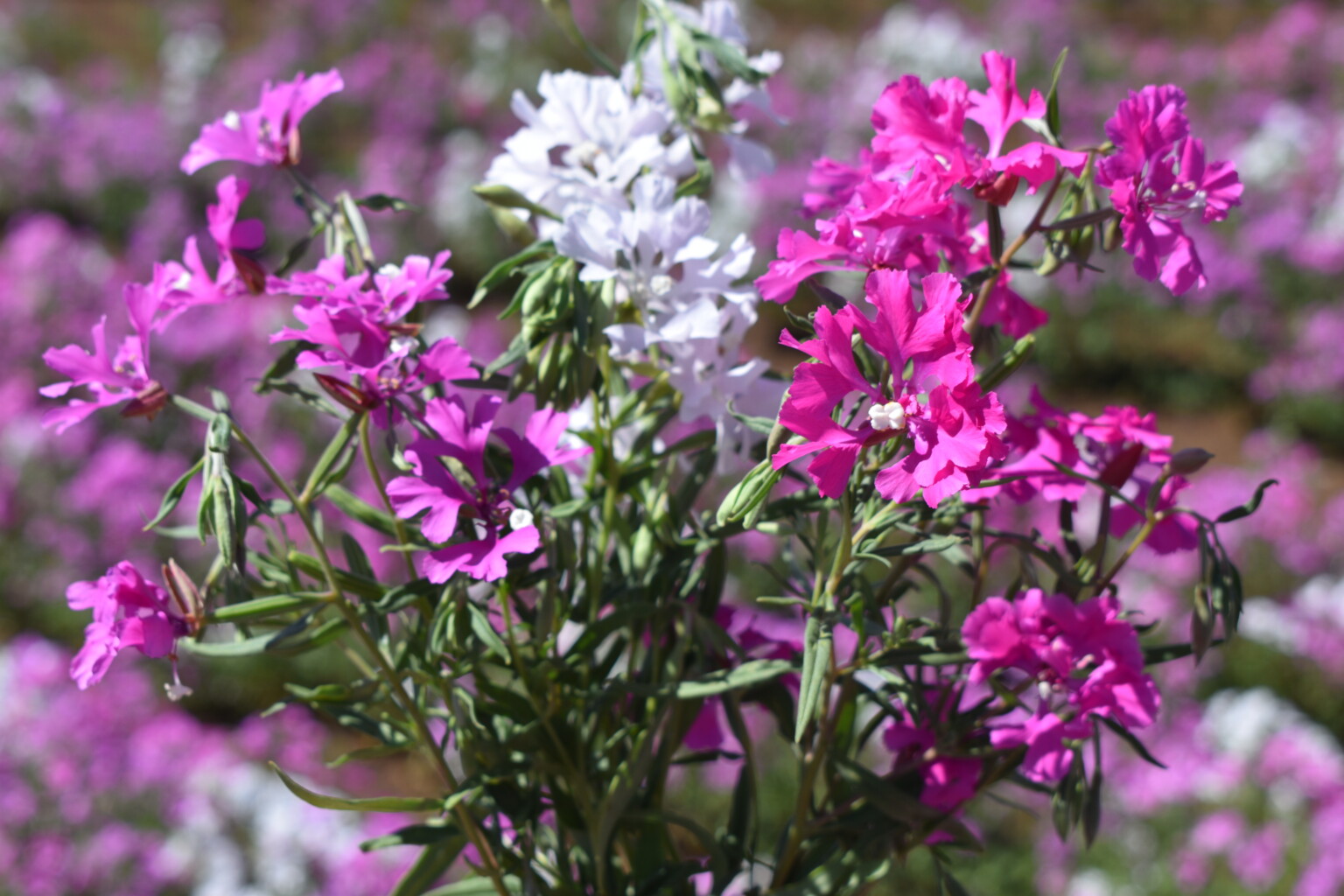
Clarkia ‘Pink Fairies’ (Clarkia pulchella), also known as Deerhorn Clarkia or Ragged Robin, is a distinctive annual wildflower native to western North America. It produces bright pink flowers with deeply divided, fringed petals that give the blooms a delicate, airy appearance. The unusual flowers stand out beautifully among grasses and other wildflowers, making this variety well suited to wildflower gardens, meadow plantings, naturalized landscapes, cottage gardens, pollinator gardens, and cut-flower plantings.
Plants generally grow 3–19 inches tall and produce slender stems with flowers held above the foliage. The open growth habit and finely divided petals give the plants a light, delicate appearance, while mass plantings can create a colorful carpet of blooms.
This annual performs well in full sun to partial shade and prefers well-drained soils with relatively low nutrient levels. It can tolerate sandy, alkaline, and somewhat salty soils. Rich, fertile soils may encourage excessive foliage growth and fewer flowers.
Pink Fairies is native to western North America, where it occurs naturally in grasslands, meadows, rocky areas, and disturbed sites. It is particularly well suited to naturalized plantings and other areas where a low-growing native wildflower is desired.
Pacific Northwest Planting
This annual can be planted in both fall and spring in the Pacific Northwest. Fall planting is particularly useful in western Oregon and other areas with mild winters, allowing seeds to experience cool, moist conditions before germinating naturally.
Fall Planting
Fall planting is recommended in areas with mild winter conditions. Sow directly outdoors after temperatures have cooled enough to prevent premature germination.
Fall-planted seeds can remain dormant through winter and germinate when temperatures and soil conditions become favorable. Fall planting can provide an early start to the growing season and may result in earlier spring flowering.
Spring Planting
Spring planting is a reliable option throughout the Pacific Northwest once soil conditions are suitable.
Sow directly into a prepared seed bed and provide good seed-to-soil contact. Direct seeding is recommended because these plants generally do not transplant well.
Early spring planting allows plants to establish during cool spring conditions before flowering begins later in the season.
Planting in Other Regions
Pink Fairies can be planted in spring or fall depending on local climate and winter conditions.
In colder regions, spring planting is generally the most reliable option. In areas with mild winters, fall planting can allow seeds to experience natural winter conditions and produce early spring growth.
This species performs best under cool to moderate growing conditions and does not tolerate prolonged hot or humid weather well. Temperatures above approximately 80°F may interfere with growth and flowering.
For detailed information on site preparation, seeding methods, planting depth, and general planting practices, see our Planting Directions page.
Establishment & Growth
This annual establishes readily from seed. Plants generally grow 3–19 inches tall and produce bright pink flowers with distinctive fringed petals.
Germination generally occurs within 7–14 days under suitable growing conditions, with flowering beginning approximately 8–10 weeks after planting.
Direct seeding is recommended. Prepare a fine, well-drained seed bed and provide good seed-to-soil contact. Avoid heavily fertilized soils, as excessive fertility can encourage foliage growth at the expense of flowers.
Flowering typically occurs during spring and summer depending on planting date and growing conditions. Allowing some flowers to mature and produce seed may result in natural reseeding where conditions are favorable.
For the strongest visual effect, plant in groups or larger drifts. The bright flowers contrast especially well with grasses and other low-growing native plants.
Pollinator & Wildlife Value
The flowers provide nectar and pollen for flower-visiting insects, including bees and other native pollinators. The bright flowers can provide a useful floral resource during the spring and summer flowering season.
As a native western wildflower, this plant is well suited to native plantings, pollinator gardens, wildflower meadows, and naturalized landscapes.
Larger Quantities
For quantities larger than those currently listed for sale, please contact us for availability and pricing.
Seeding Rates
The broadcast rate for seeding is 4–5 pounds per acre.
The seed drill rate for seeding in rows is 2 pounds per acre.
| Purchasing Options | Price | Quantity | |
|---|---|---|---|
| Small Packet | $2.50 | ||
Covers approximately 5 square feet. |
|||
| 10 Gram | $3.00 | ||
Covers approximately: |
|||
| 1/8 Pound | $12.00 | ||
Covers approximately: |
|||
| 1 Pound | $51.00 | ||
Covers approximately: |
|||
| Scientific Name | Clarkia Pulchella |
|---|---|
| Product Type | Flower |
| Color | Pink |
| Cycle | Annual |
| Height | 3"-19" |
| Germination Time | 7-14 days |
| Planting Season | Spring, Fall |
| Bloom Season | Spring, Summer |
| Weeks to Bloom | 8 – 10 weeks |
| USDA Zone | 3 to 10 |
| Seeds Per Pound | 1,790,000 |
| Seeding Rate (lb./acre) | 2 |
| Pollen/Nectar | Nectar, Pollen |
| Pollinator(s) | Birds, Honey Bees, Humming Birds, Native Bees |