



Poppy – Shirley Double Mix
$2.50 – $36.00Price range: $2.50 through $36.00
TO ORDER & SEE PRICING SCROLL DOWN
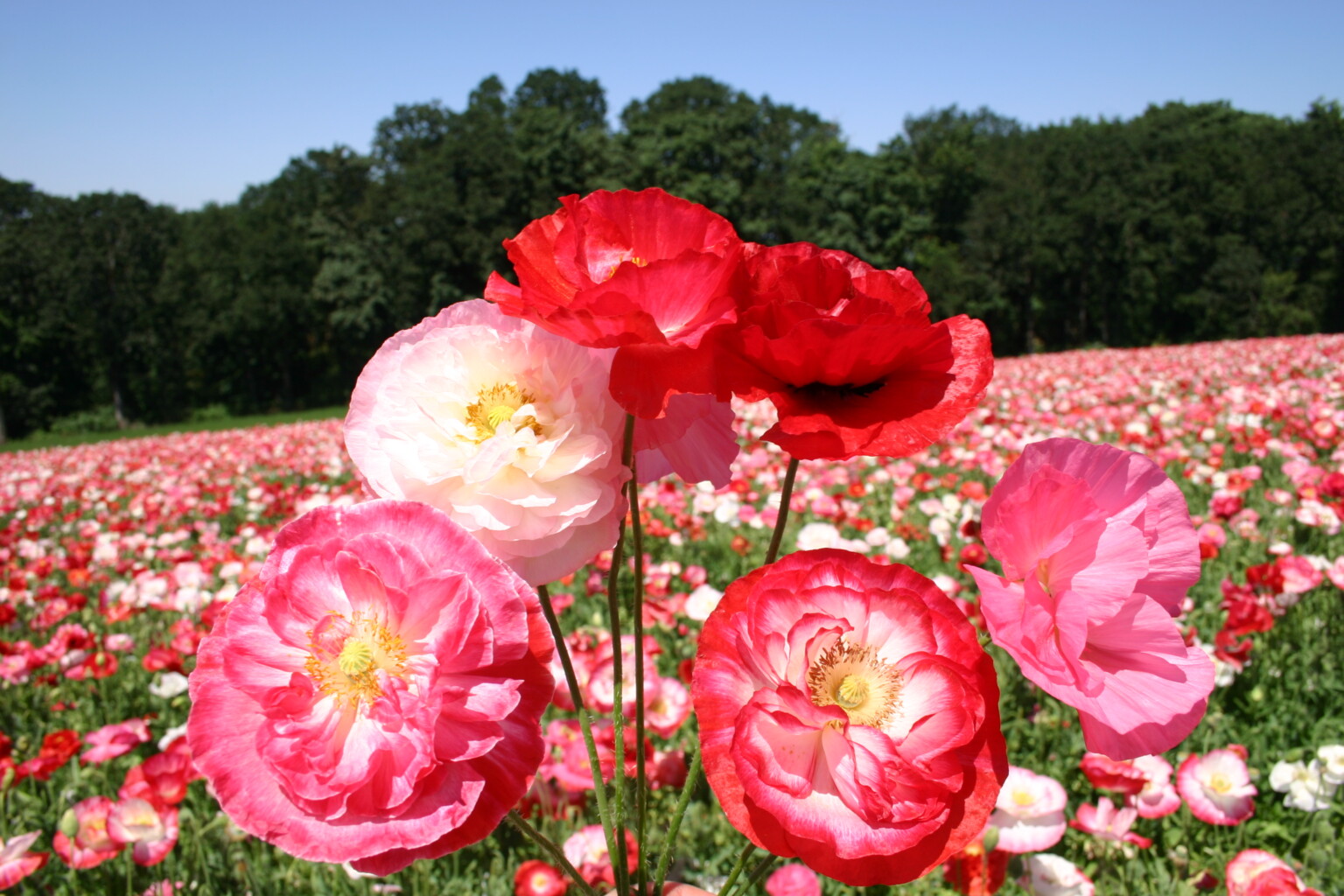
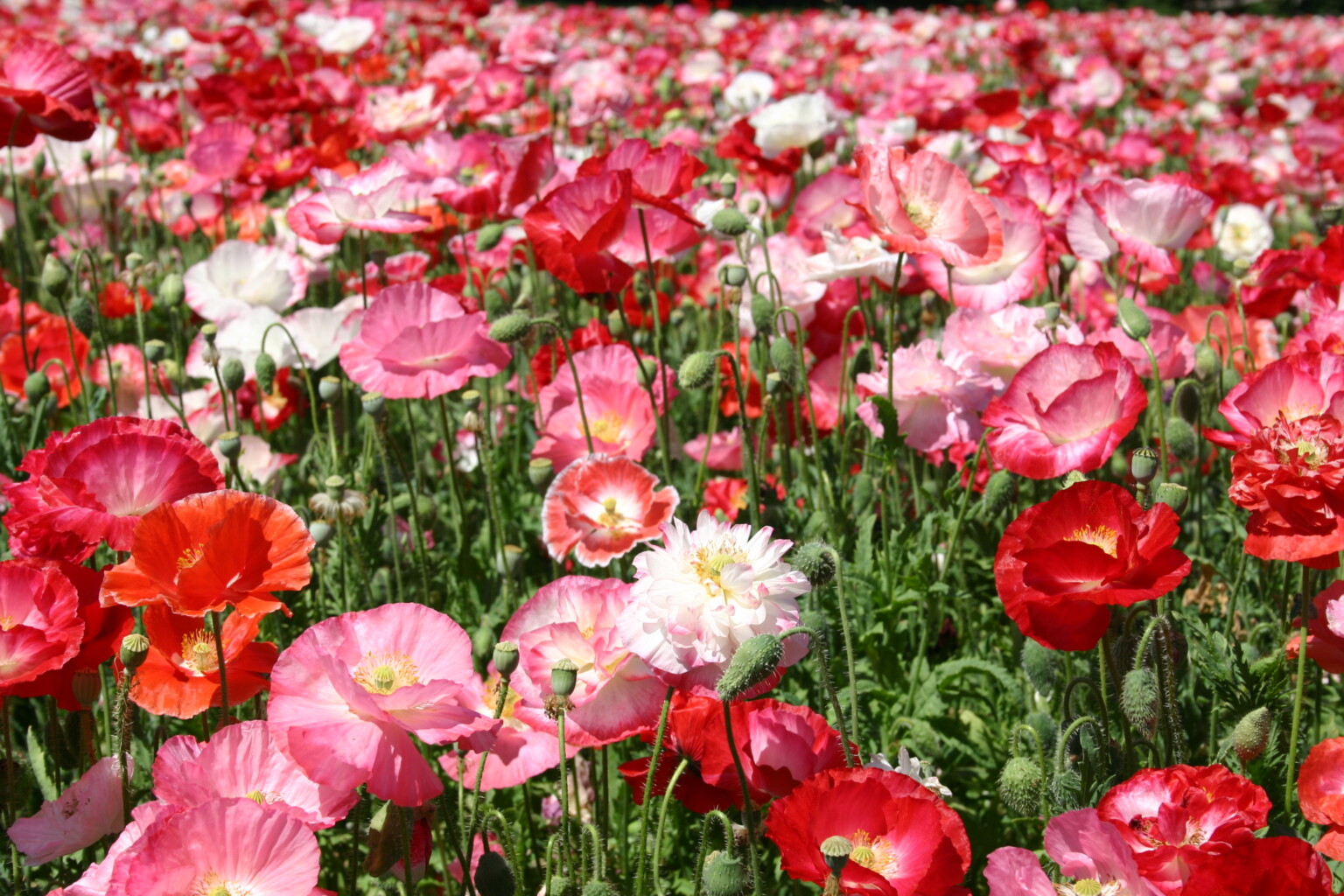
Shirley Poppy Double Mix (Papaver rhoeas) is a charming garden favorite developed from the classic Red Poppy. Shirley Poppies offer beautiful blooms in delicate shades of pink, red, and white and are valued for their graceful appearance and colorful seasonal display.
Our Shirley Poppy Double Mix features a beautiful mixture of single and double-petaled flowers, creating a soft, romantic display in the garden. The flowers are well suited to borders, cottage gardens, wildflower plantings, cutting gardens, and other sunny garden settings.
Shirley Poppies thrive in full sun and perform best when sown directly outdoors, as they do not tolerate root disturbance well. The seeds are very small and require only shallow planting. One of the easiest methods is to scatter the seed over loose garden soil and gently water it in. If transplanting is necessary, it should be done only when seedlings are very small.
Shirley Poppies can be planted in either spring or fall in most regions where growing conditions are suitable. Fall planting can provide early spring blooms, while spring planting can provide blooms later in spring and into summer.
The flowers provide nectar and pollen for a variety of pollinators, including bumble bees, butterflies, honey bees, and native bees.
Origin & History
The Shirley Poppy is a cultivated form of the common field poppy, Papaver rhoeas, with its origins in Shirley, England.
In 1880, Reverend William Wilks, the vicar of Shirley, discovered an unusual field poppy growing in a corner of his garden near agricultural fields. The flower had a narrow white edge around its petals, unlike the typical scarlet field poppies growing nearby.
Wilks saved seed from this single unusual flower and continued selecting plants with desirable characteristics over many years. Through careful selection, he developed a beautiful range of Shirley Poppies in shades of white, pink, red, and other combinations. The Shirley Poppy eventually became a well-known garden flower and is still grown today for its delicate, colorful blooms.
Pacific Northwest Planting
For gardeners in the Pacific Northwest, Shirley Poppies can be planted in either fall or spring.
Fall planting is an excellent option because Shirley Poppies are cool-season annuals. Sow seed directly into a prepared, weed-free planting area after the heat of summer has passed and temperatures have cooled.
The seed is very small and should be planted shallowly. Scatter the seed over loose garden soil and gently water it in, or lightly cover it with soil. Avoid burying the seed deeply.
Fall-planted Shirley Poppies can establish during cool weather and produce an early spring display when growing conditions are favorable.
Spring planting is also possible. Sow directly outdoors once soil conditions are suitable and temperatures are still relatively cool. Keep the planting area adequately moist during germination and early establishment.
Spring Planting
Sow Shirley Poppy seed directly outdoors in full sun once soil conditions are suitable.
Prepare a loose, weed-free planting area and scatter the small seeds over the soil surface. Gently water the planting area after sowing. If covering the seed, use only a very light layer of soil.
Shirley Poppies do not tolerate root disturbance well, so direct sowing is recommended. If transplanting is necessary, move seedlings while they are very small.
Germination generally takes approximately 10–30 days, depending on growing conditions.
Fall Planting
Fall planting can be an excellent option for Shirley Poppies in the Pacific Northwest and other regions with suitable winter conditions.
Sow after the hottest part of summer has passed and temperatures have cooled. Choose a sunny location with well-drained soil and prepare a loose, weed-free planting area.
Scatter the small seed over the soil and gently water it in. Avoid planting the seed deeply.
Fall planting allows the seed to experience cool conditions and can result in earlier spring growth and flowering.
Planting in Other Regions
Shirley Poppies are cool-season annuals and are best suited to regions where they can grow and flower before the arrival of intense summer heat.
In colder climates, spring planting is a reliable option once the soil can be worked and conditions are suitable.
In regions with mild winters, fall planting can be an excellent option. Sow after summer heat has passed so the plants can establish during cooler weather and produce an early spring display.
In areas where both fall and spring planting are suitable, planting at different times can help provide scattered bloom times for a longer season of flowers.
Regardless of region, choose a full-sun planting location with well-drained soil and avoid areas where water remains standing for extended periods.
Larger Quantities
For quantities larger than those currently listed for sale, please contact us for availability and pricing.
Seeding Rates:
The broadcast rate for seeding is 4–5 pounds per acre.
The seed drill rate for seeding in rows is 2 pounds per acre.
| Purchasing Options | Price | Quantity | |
|---|---|---|---|
| Small Packet | $2.50 | ||
Covers approximately 5 square feet. |
|||
| 10 Gram | $3.00 | ||
Covers approximately: |
|||
| 1/4 Pound | $12.00 | ||
Covers approximately: |
|||
| 1 Pound | $36.00 | ||
Covers approximately: |
|||
| Scientific Name | Papaver rhoeas |
|---|---|
| Product Type | Flower, Flower Mix |
| Color | Pink, Red, White |
| Cycle | Annual |
| Origin | Introduced species |
| Height | 12-30" |
| Germination Time | 10-30 days |
| Planting Season | Spring, Fall |
| Bloom Season | Spring, Summer |
| Weeks to Bloom | 4 to 6 weeks |
| USDA Zone | 7 to 10 |
| Seeds Per Pound | 3,200,000 |
| Seeding Rate (lb./acre) | 2 |
| Pollen/Nectar | Nectar, Pollen |
| Pollinator(s) | Bumble Bees, Butterflies, Honey Bees, Native Bees |
| Notes | This flower should be planted directly outdoors, in the ground |
| Light Requirement | Full Sun |