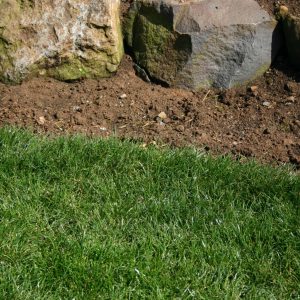



Hay Seed Pasture King
$228.75 – $922.50Price range: $228.75 through $922.50
SCROLL DOWN FOR PRICING & BAG SIZING AVAILABLE TO PURCHASE
Hay Seed Pasture King
High-Quality Forage Blend for Grazing Livestock
Hay Seed Pasture King is a diverse cool-season forage blend designed for livestock producers who want nutrient-rich pasture, strong seasonal production, and a long grazing season.
The combination of forage grasses, legumes, and clovers provides a balanced pasture with different growth characteristics throughout the season. Perennial ryegrass and tall fescue contribute productive grass forage, while orchardgrass and timothy add additional forage diversity. Crimson, red, and white clovers contribute high-quality forage and help support soil fertility through nitrogen fixation.
This mix is particularly well suited to cattle, sheep, and goats in well-managed pasture systems where adequate rainfall or irrigation is available.
Hay Seed Pasture King is primarily intended as a grazing pasture. Although several components are commonly used for hay, the overall blend can be difficult to harvest as hay because of its relatively high moisture content.
Seed Mix
- 5% Forage-Type Perennial Ryegrass— A fast-establishing, highly palatable cool-season grass that provides high-quality forage and strong early production. The forage type used in this mix is selected for livestock grazing.
- 18% Forage-Type Tall Fescue— A long-lived cool-season grass valued for persistence, strong regrowth, drought tolerance, and its ability to withstand regular grazing. The forage-type variety is intended for livestock pasture.
- 15% Orchardgrass— A perennial cool-season bunchgrass known for high-quality forage, strong spring growth, and suitability for pasture systems. It performs best when protected from excessive grazing pressure.
- 5% Crimson Clover— A fast-growing annual legume that provides early-season forage while fixing nitrogen and contributing to overall pasture fertility. It completes its life cycle in one growing season and may require reseeding.
- 8% Red Clover— A productive, short-lived perennial legume with good forage quality and deeper roots than many shallow-rooted pasture species. It contributes both forage production and nitrogen fixation.
- 6% Timothy— A cool-season perennial grass valued for its soft texture and high-quality forage, particularly for hay and horse feed. It is less tolerant of intensive grazing and has limited summer regrowth compared with the more persistent pasture grasses.
- 5% Annual Ryegrass— A rapidly establishing grass that provides quick seasonal growth and additional forage while perennial species develop.
- 3% White Clover— A persistent perennial legume that spreads through stolons, tolerates close grazing, and contributes nitrogen to the pasture. It performs especially well in cool, moist conditions.
Seed percentages are approximate and may vary depending on seed availability. The ryegrass and tall fescue used in this mix are forage types intended for livestock grazing.
Which Animals Can Use Hay Seed Pasture King?
Cattle — Excellent Choice
Cattle are one of the primary livestock types suited to Hay Seed Pasture King. The combination of productive grasses and legumes provides a nutrient-rich forage base for managed grazing.
The clover component can improve forage quality and pasture fertility, but grazing management is important because clover-rich pastures can increase bloat risk in cattle if consumed excessively or without appropriate management.
Sheep — Excellent Choice
Hay Seed Pasture King can provide high-quality forage for sheep when grazing is carefully managed.
The combination of perennial ryegrass, orchardgrass, tall fescue, and clovers creates a productive forage base. Because the mix contains a substantial amount of legumes, producers should monitor grazing conditions and manage access to reduce the potential for pasture-associated bloat.
Goats — Excellent Choice
Goats can make effective use of this diverse pasture blend, particularly as part of a managed grazing system.
The grasses provide substantial forage while the clovers contribute additional nutritional value. Goats naturally benefit from dietary diversity, so this pasture can work especially well when incorporated into a broader grazing program that includes browse and other appropriate forage sources.
Horses — Good Choice With Management
Several species in Hay Seed Pasture King are commonly used in horse forage systems, including orchardgrass, timothy, tall fescue, and perennial ryegrass.
However, this blend is not specifically formulated as a horse-only pasture and contains a significant proportion of clovers. Horse owners should evaluate the complete forage program and pasture conditions before planting. Tall fescue and perennial ryegrass should also be sourced as appropriate livestock forage types, including endophyte-free, low-endophyte, or suitable novel-endophyte varieties when required.
Alpacas & Llamas — Good Choice for Managed Grazing
Alpacas and llamas can utilize the grass components of this pasture when stocking rates and grazing pressure are controlled.
Because the blend contains a substantial legume component, producers should consider the animals’ overall diet and introduce them to lush, legume-rich pasture carefully. Maintaining appropriate pasture height and providing recovery periods can support long-term stand productivity.
Best Uses
Hay Seed Pasture King is particularly well suited for:
- High-quality livestock grazing
- Rotational grazing systems
- Productive, nutrient-rich pasture
- Long grazing seasons
- Pasture systems where legumes are desired
- Well-managed irrigated pasture
- Sites with reliable rainfall and adequate soil moisture
- Pasture establishment and renovation
- Producers looking for greater forage diversity
This mix is better suited to grazing than continuous hay production because of its high moisture content and the different maturity characteristics of the species included.
Animal Suitability at a Glance
| Animal | Suitability | Recommended Use |
| Cattle | ⭐⭐⭐⭐⭐ Excellent | Managed & rotational grazing |
| Sheep | ⭐⭐⭐⭐⭐ Excellent | Managed & rotational grazing |
| Goats | ⭐⭐⭐⭐⭐ Excellent | Managed/rotational grazing |
| Horses | ⭐⭐⭐⭐ Good | Managed pasture |
| Alpacas & Llamas | ⭐⭐⭐⭐ Good | Managed grazing |
Best overall fit: High-quality, diverse pasture for cattle, sheep, and goats where grazing can be actively managed and adequate moisture is available.
Why Choose Hay Seed Pasture King?
Hay Seed Pasture King is designed for producers who prioritize forage quality, pasture diversity, and extended seasonal production.
Perennial ryegrass provides highly palatable forage and rapid establishment, while tall fescue contributes persistence and strong regrowth. Orchardgrass adds productive cool-season forage, and timothy contributes additional forage diversity.
The legume component is a major feature of the blend. Crimson, red, and white clovers can increase forage quality while fixing atmospheric nitrogen, helping support pasture fertility and reducing reliance on external nitrogen inputs under suitable management.
The tradeoff is that this mix requires more management than a simple grass-only pasture. The clovers require attention to grazing conditions, and the shallow-rooted ryegrass and timothy components are less tolerant of prolonged drought than tall fescue and orchardgrass.
Best overall fit: Productive, well-managed grazing pasture where forage quality and diversity are more important than minimal-input management.
Livestock nutritional requirements vary by animal, age, production stage, and overall diet. Pasture should be evaluated as part of the animal’s complete feeding program.
Drought Tolerance & Water Requirements
Hay Seed Pasture King should be considered a moisture-demanding pasture blend rather than a drought-tolerant mix.
Tall fescue and orchardgrass provide the strongest drought tolerance within the blend because of their deeper and more persistent root systems. Red clover can also contribute some drought resilience once established.
Perennial ryegrass, annual ryegrass, and timothy are more vulnerable to prolonged hot and dry conditions. White and crimson clover also perform best when adequate moisture is available.
In dry regions, irrigation may be necessary to achieve the dense, productive pasture growth this mix is designed to provide. During extended summer drought, reduced growth or seasonal decline should be expected where irrigation is unavailable.
Regional Fit
Central Oregon — Use With Irrigation
Hay Seed Pasture King is not recommended for Central Oregon without irrigation. The mix contains several species that require reliable moisture for strong production, particularly the ryegrasses, timothy, and clovers.
With dependable irrigation and appropriate pasture management, the blend can provide productive forage.
Southern Oregon — Excellent With Water
This mix can perform very well in Southern Oregon when reliable irrigation is available.
Adequate summer moisture helps maintain the productive growth of the perennial grasses and legumes and supports a longer grazing season.
Willamette Valley — Excellent Choice
The Willamette Valley provides favorable growing conditions for Hay Seed Pasture King. The region’s cool, moist climate is well suited to the cool-season grasses and clovers included in the blend.
The mix is particularly appropriate where producers want a diverse, high-quality pasture and can maintain proper grazing management.
Eastern Oregon — Use With Care
Eastern Oregon presents greater challenges because of hotter, drier summer conditions.
The tall fescue and orchardgrass components provide some drought tolerance, but the ryegrasses, timothy, and clovers require more consistent moisture. Irrigation and local site conditions should be carefully considered before planting.
Grazing Management
Hay Seed Pasture King requires more active management than a simple grass-only pasture.
The mixture contains species with different grazing tolerances and growth patterns. Orchardgrass and timothy can be weakened by excessive grazing, while perennial ryegrass can decline under heavy use or prolonged heat and drought.
Rotational or controlled grazing allows livestock to utilize the forage while giving plants sufficient time to recover.
Because the mix contains a significant proportion of clovers, producers should also pay attention to grazing conditions and avoid situations where livestock consume excessive amounts of lush legume forage at once. Gradual pasture transitions, adequate forage availability, and balanced grazing management can help reduce bloat risk in susceptible livestock.
Maintaining adequate residual forage is important for protecting plant crowns, root reserves, and long-term stand productivity.
Planting Information
Drilled: 20 lbs. per acre
Broadcast: 40–50 lbs. per acre
Preferred Soil Temperature When Planting: 50–65°F
For best establishment, prepare a firm, well-prepared seedbed and plant when soil moisture and temperatures are favorable.
Soil temperatures between 50 and 65°F generally correspond with daytime air temperatures of approximately 60–75°F during suitable planting conditions.
After establishment, avoid grazing newly seeded pasture until the plants have developed sufficient root systems and are well established. Once grazing begins, use controlled or rotational grazing practices to maintain forage production and protect the more grazing-sensitive species in the blend.
For dry regions, establish the pasture when moisture is adequate and plan for irrigation where necessary to maintain productive growth.
| Purchasing Options | Price | Quantity | |
|---|---|---|---|
| 25 Pound Bag | $228.75 | ||
Covers approximately 54,450 square feet. |
|||
| 50 Pound Bag | $375.00 | ||
Covers approximately 108,900 square feet. |
|||
| 150 Pound | $922.50 | ||
Covers approximately 326,700 square feet. |
|||
| Product Type | Forage Legume, Forage/Pasture Grass, Grass Mix |
|---|---|
| Cycle | Perennial |
| Origin | Introduced species |
| Seeds Per Pound | 328,025 |
| Seeding Rate (lb./acre) | 20 |
| Color | Green, Red |
Related products
-
Northern Shade Turf Blend
Grass Mix, Lawn/Turf Grass, Perennial$6.00 – $787.50Price range: $6.00 through $787.50 -
Predator Wildlife Mix
Cereals, Flower Mix, Forage Flower, Forage/Pasture Grass, Grass Mix, Native Grass, Perennial$40.70 – $193.75Price range: $40.70 through $193.75 -
Yard Master Mix
Grass Mix, Lawn/Turf Grass, Perennial$6.00 – $649.50Price range: $6.00 through $649.50 -
Cascade Shade Turf Mix
Grass Mix, Lawn/Turf Grass, Perennial$6.00 – $753.00Price range: $6.00 through $753.00