






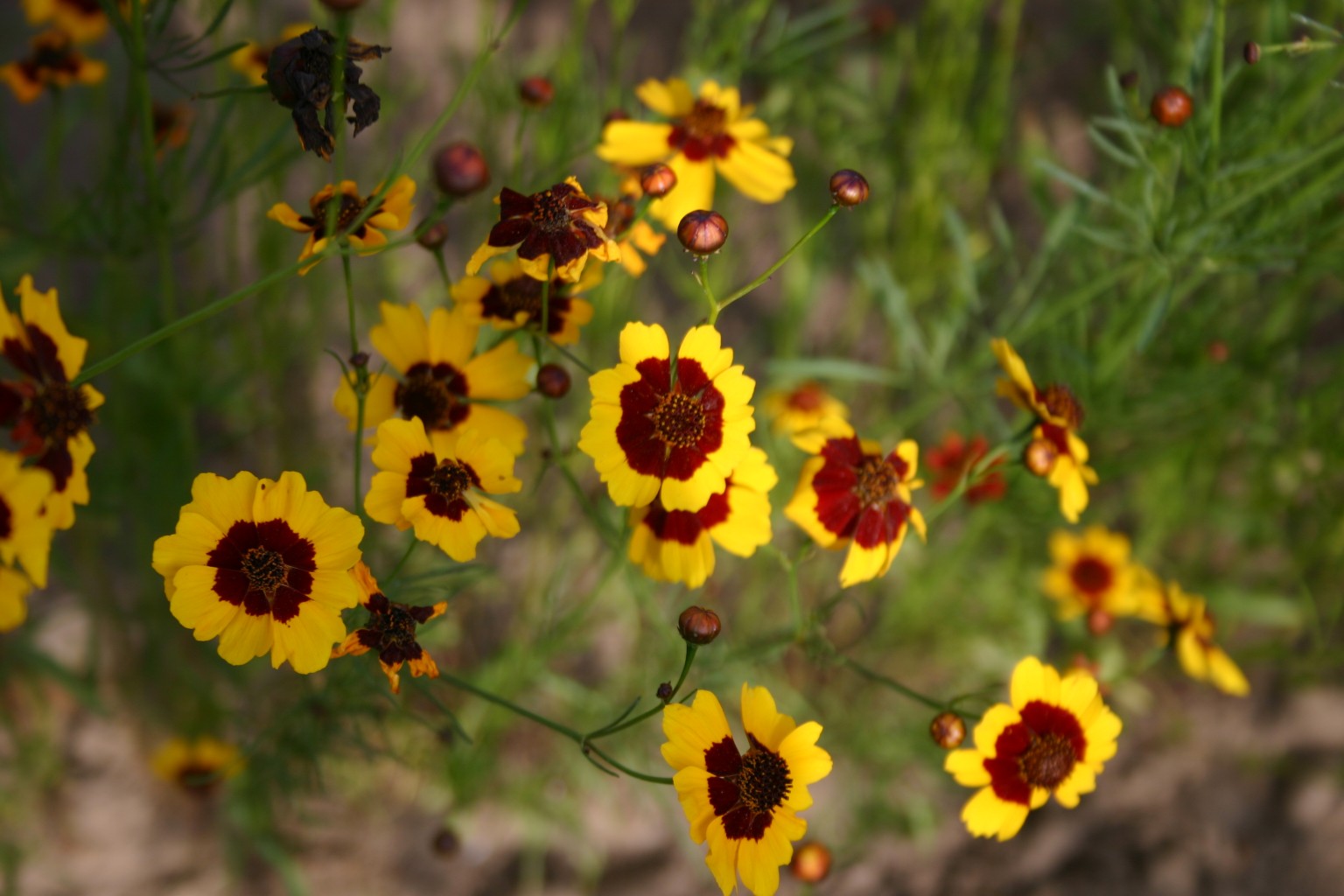

Upland Savanna Economy Mix
$2.50 – $195.00Price range: $2.50 through $195.00
Ingredients
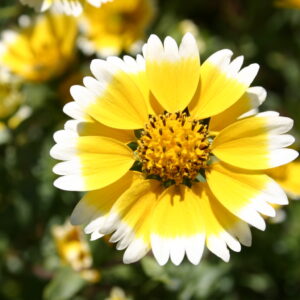
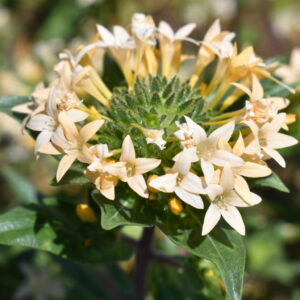
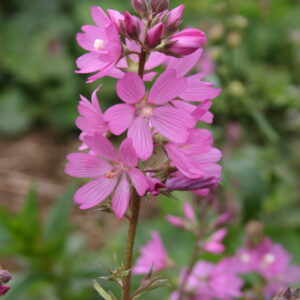
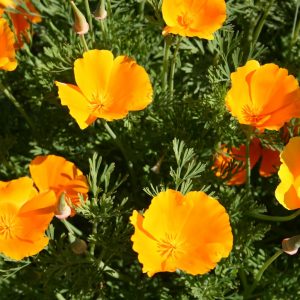
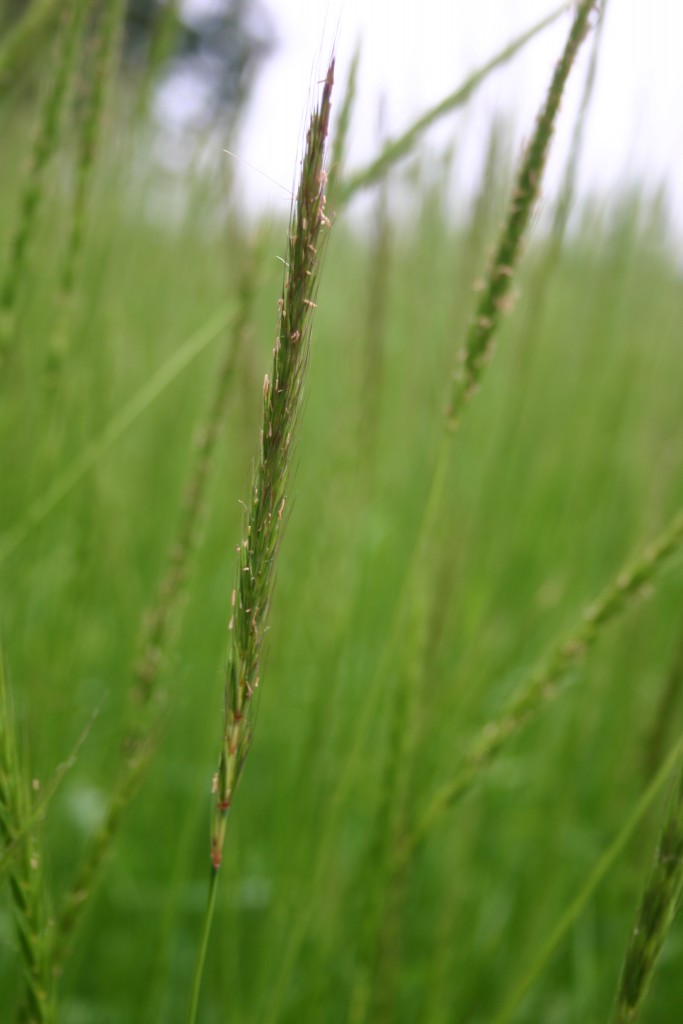
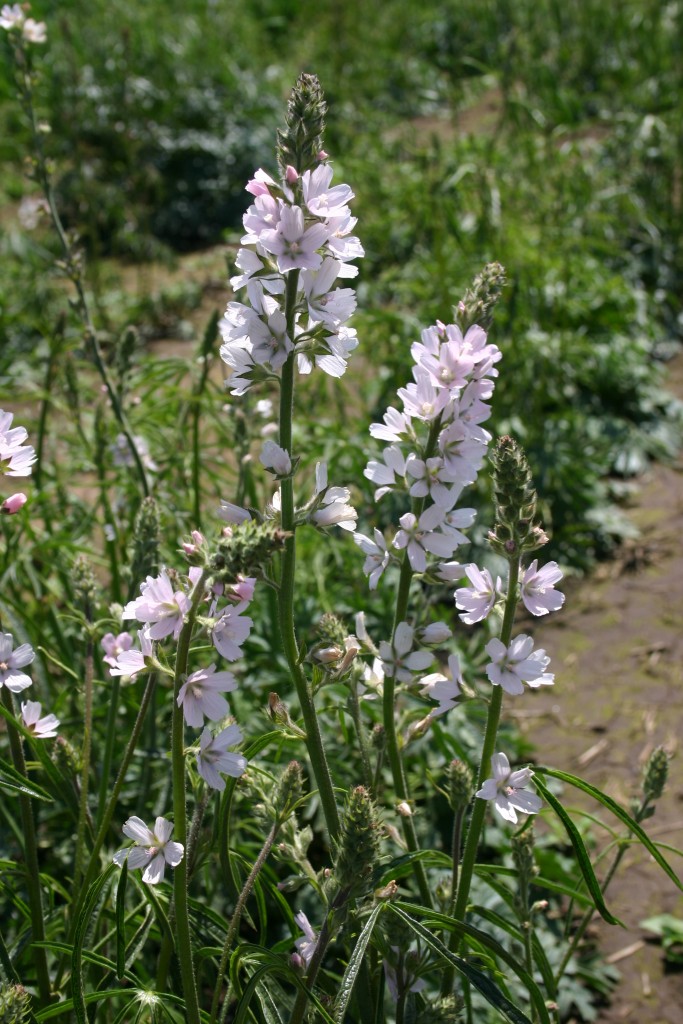
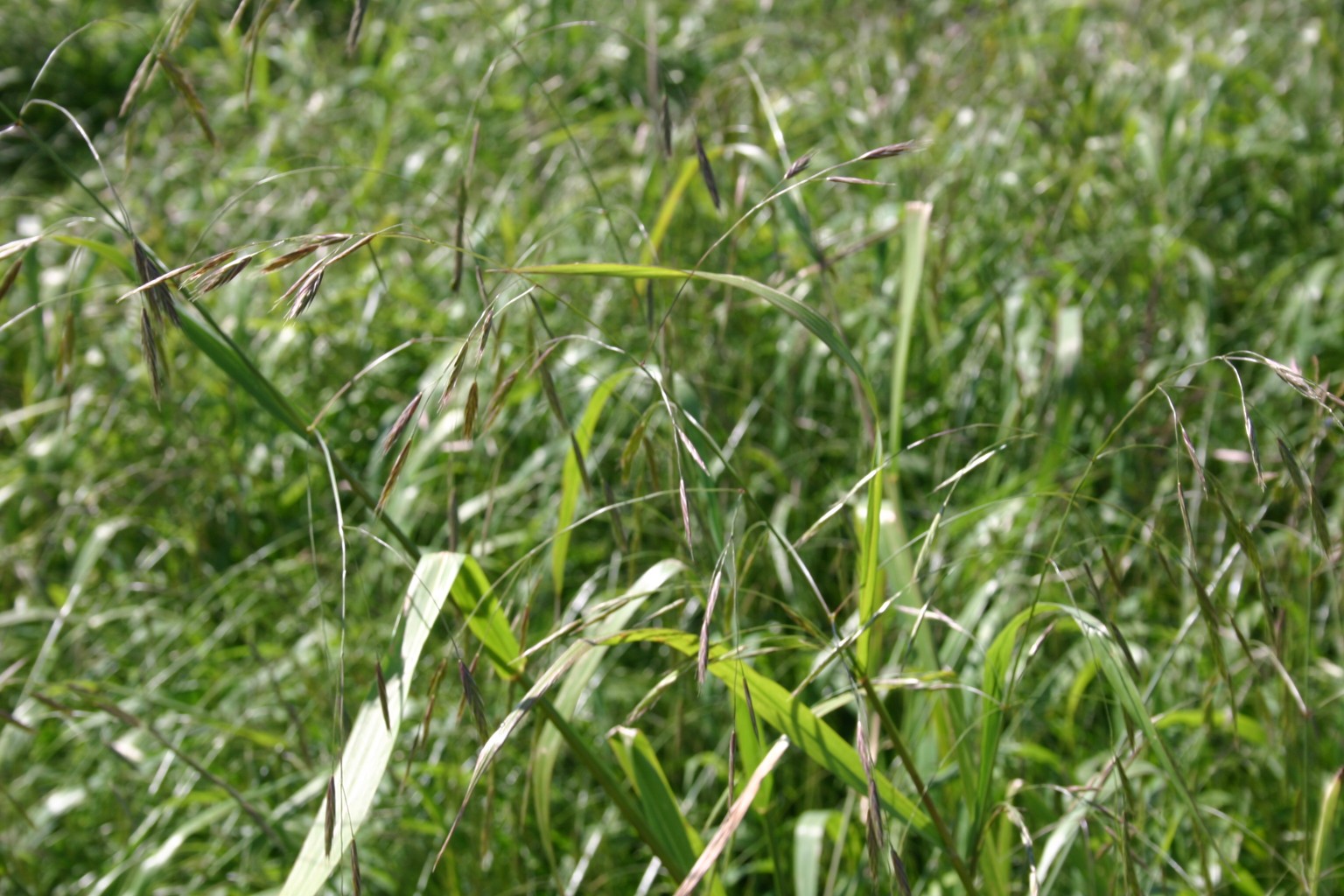
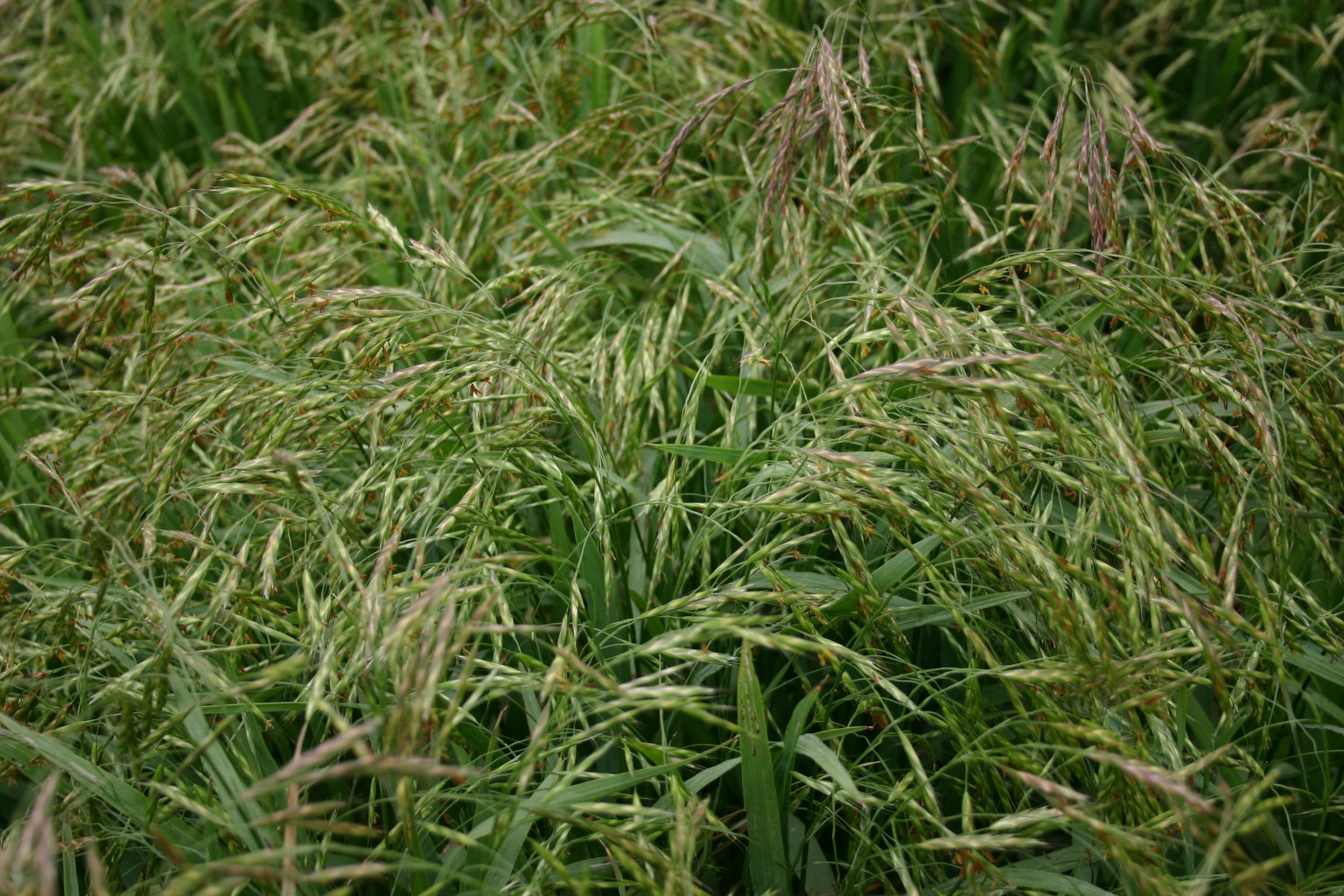
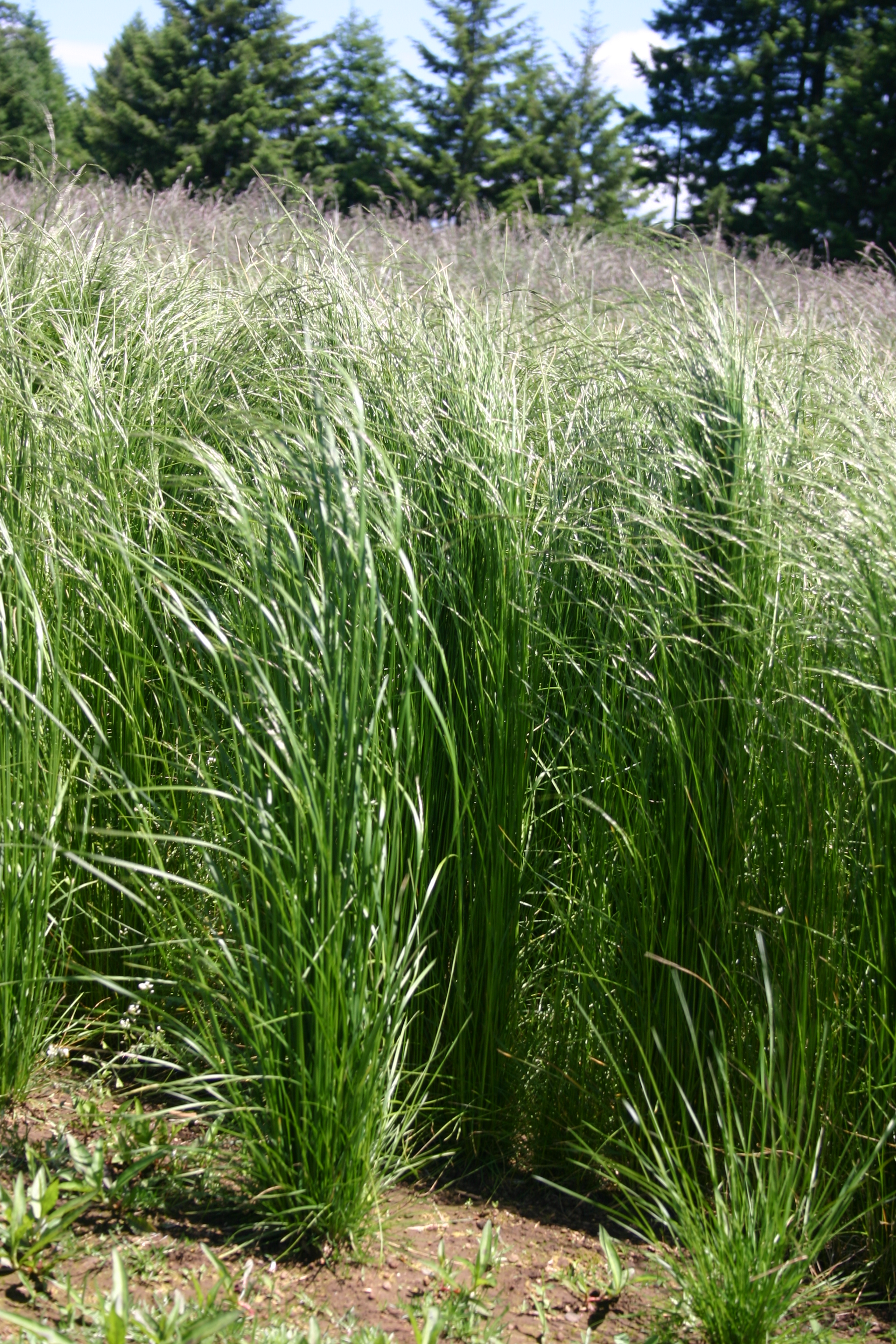
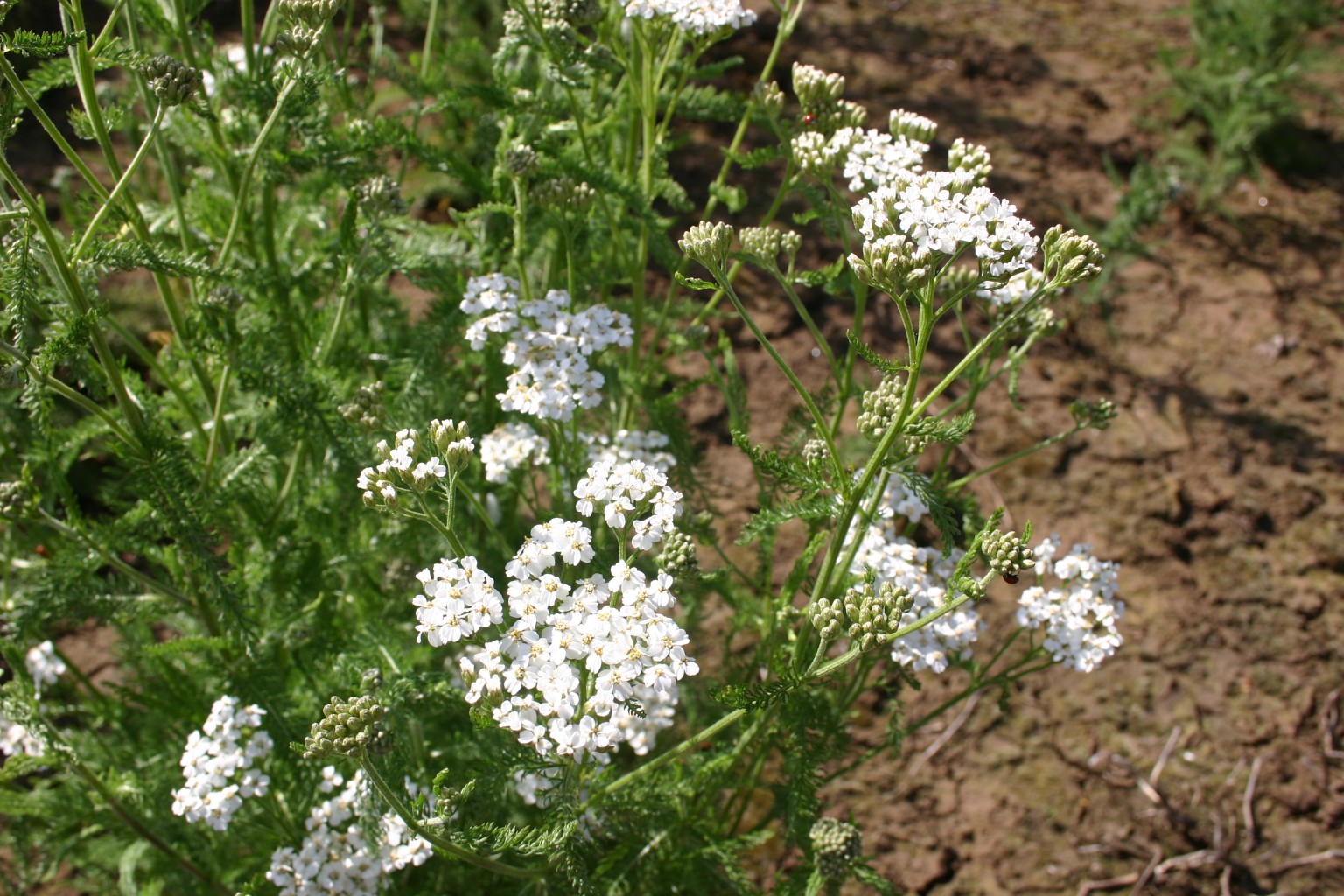
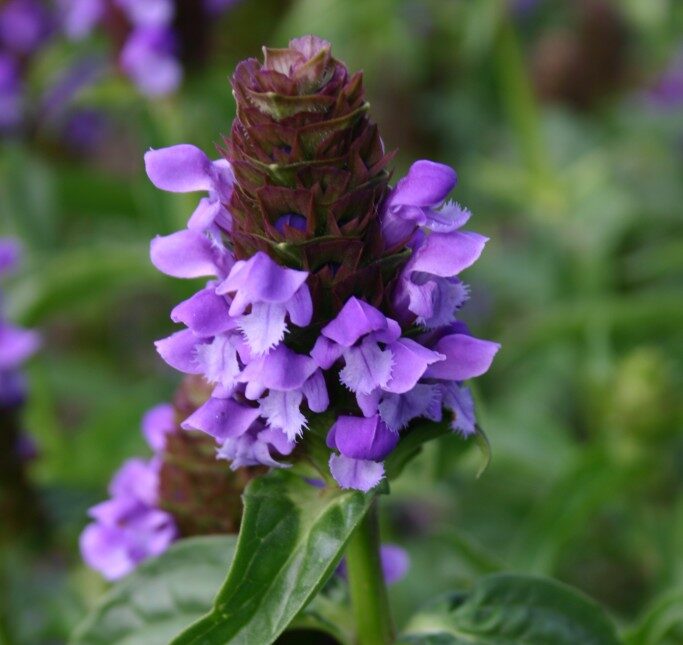
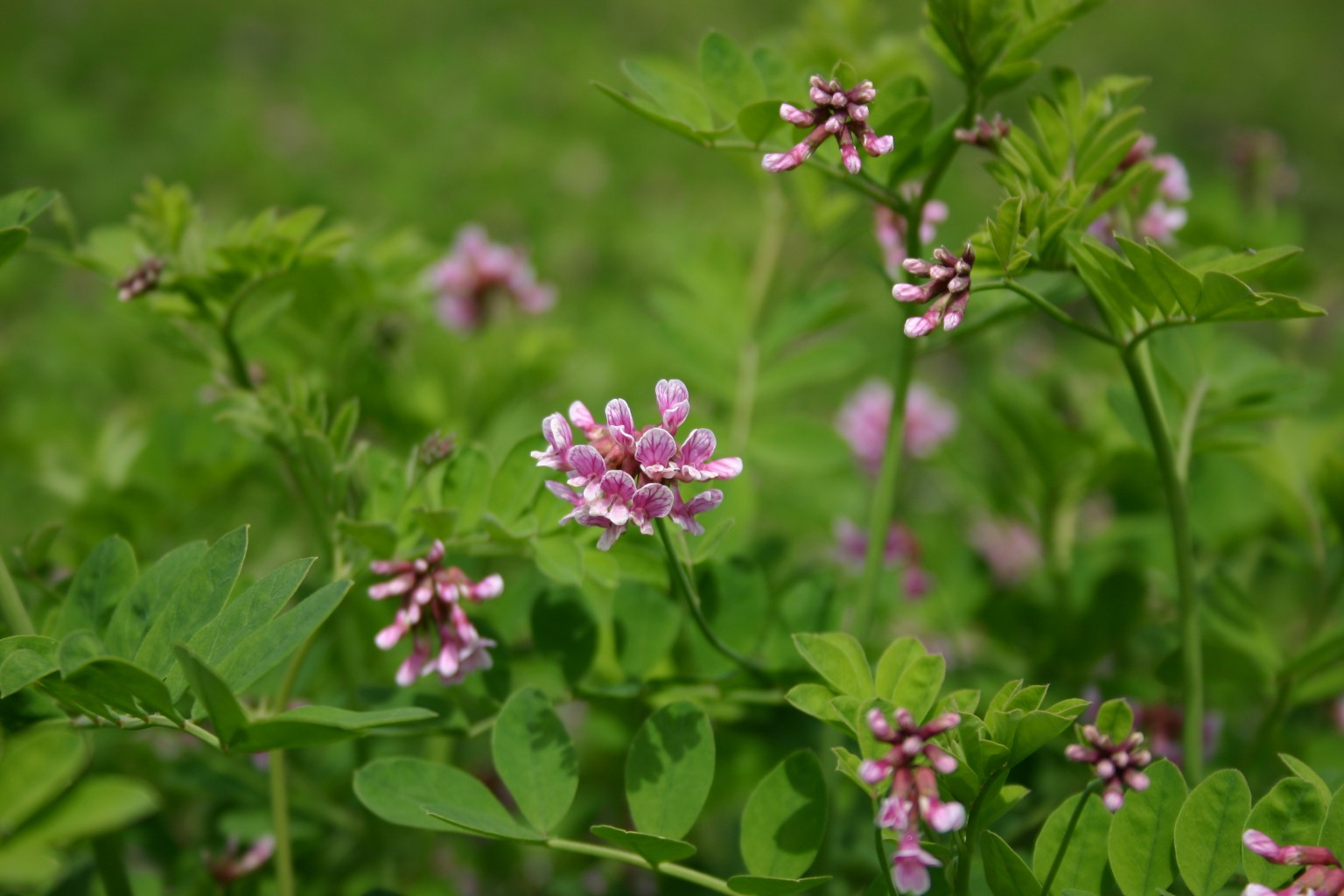
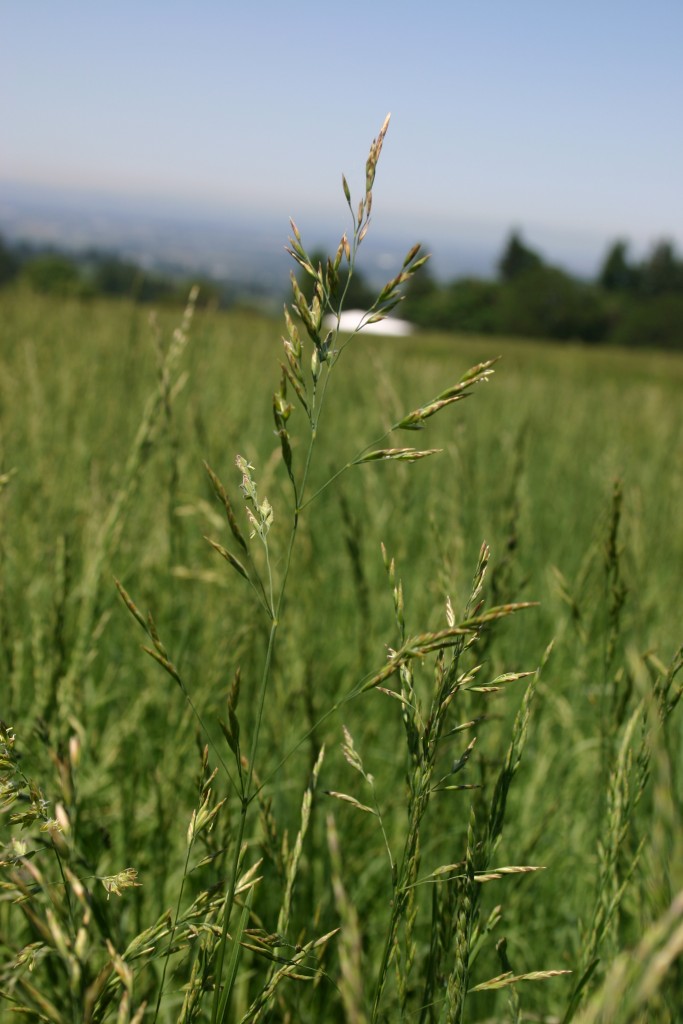
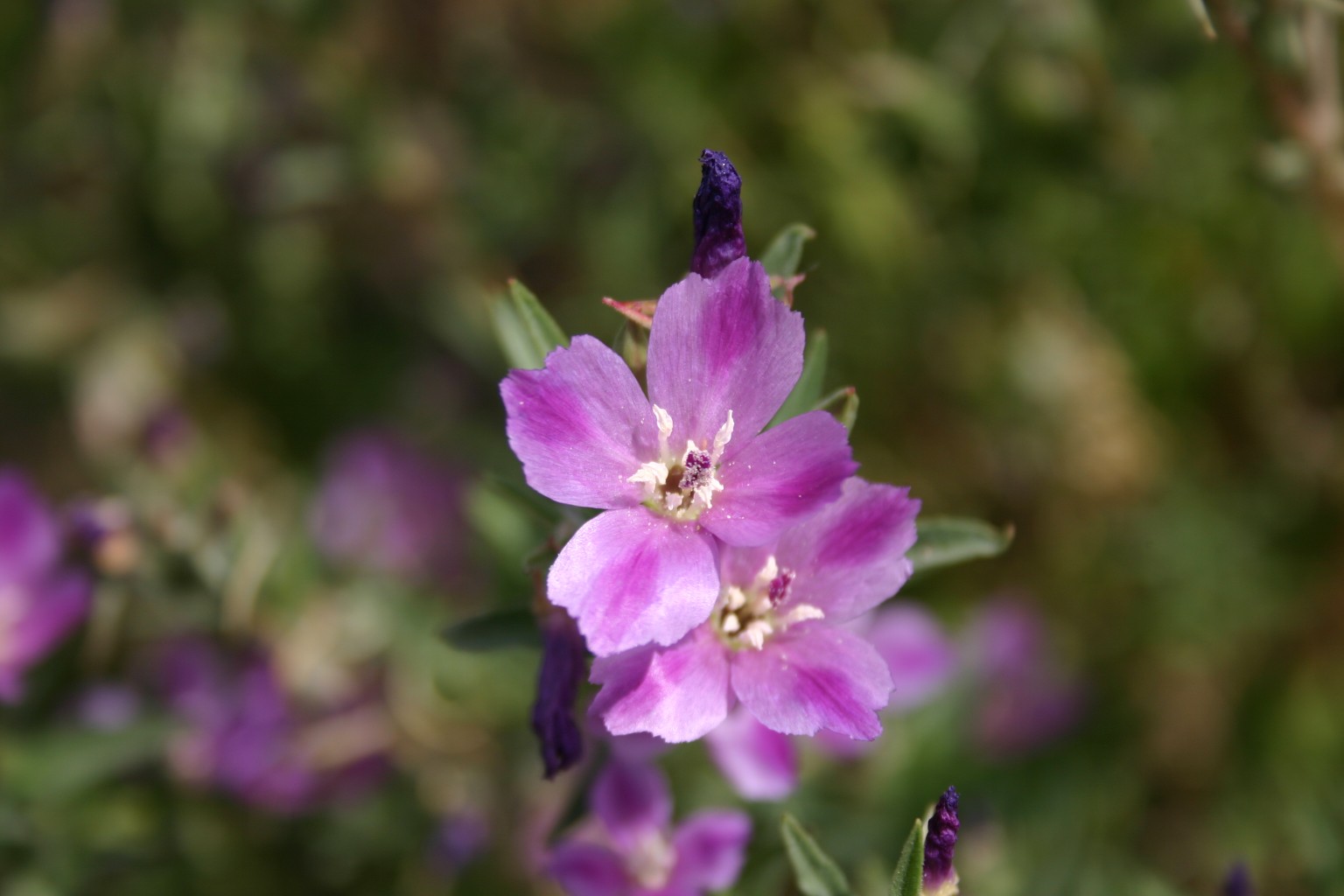
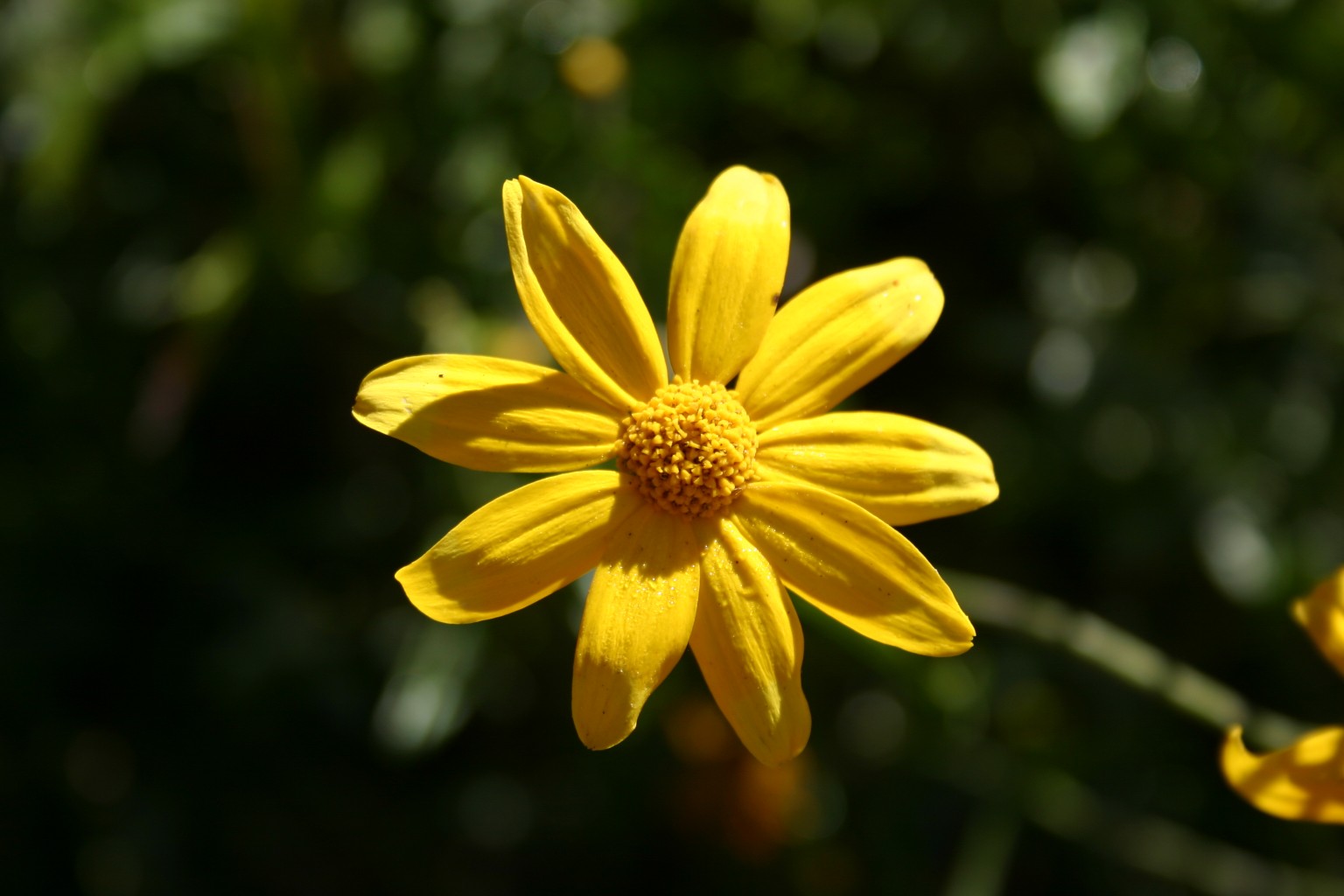
Blue Wildrye (P), Tufted Hairgrass (P), Tall Wild Hollyhock (P), California Oatgrass (P), California Brome (P), Slender Hairgrass (P), Roemer’s Fescue (P), Western Yarrow (P), Baby Blue Eyes (A), Small-Flowered Bi-Color Lupine (A), Large-Flowered Phlox (A), Heal-All (P), Big Deer Vetch (P), Pink Fairies Clarkia (A), Winecup Clarkia (A), Godetia Farewell-to-Spring (A), Sand Fescue (P), Oregon Sunshine (P), California Perennial Poppy (P), Prairie Junegrass (P), and Plains Tall Coreopsis (A).
(A) = Annual | (P) = Perennial
Ingredients may vary depending on seed availability.
Native Species for Northwest Oak Savanna & Upland Habitats
The Upland Savanna Economy Mix combines native grasses and flowering plants selected for upland prairie and oak-savanna environments of the Pacific Northwest.
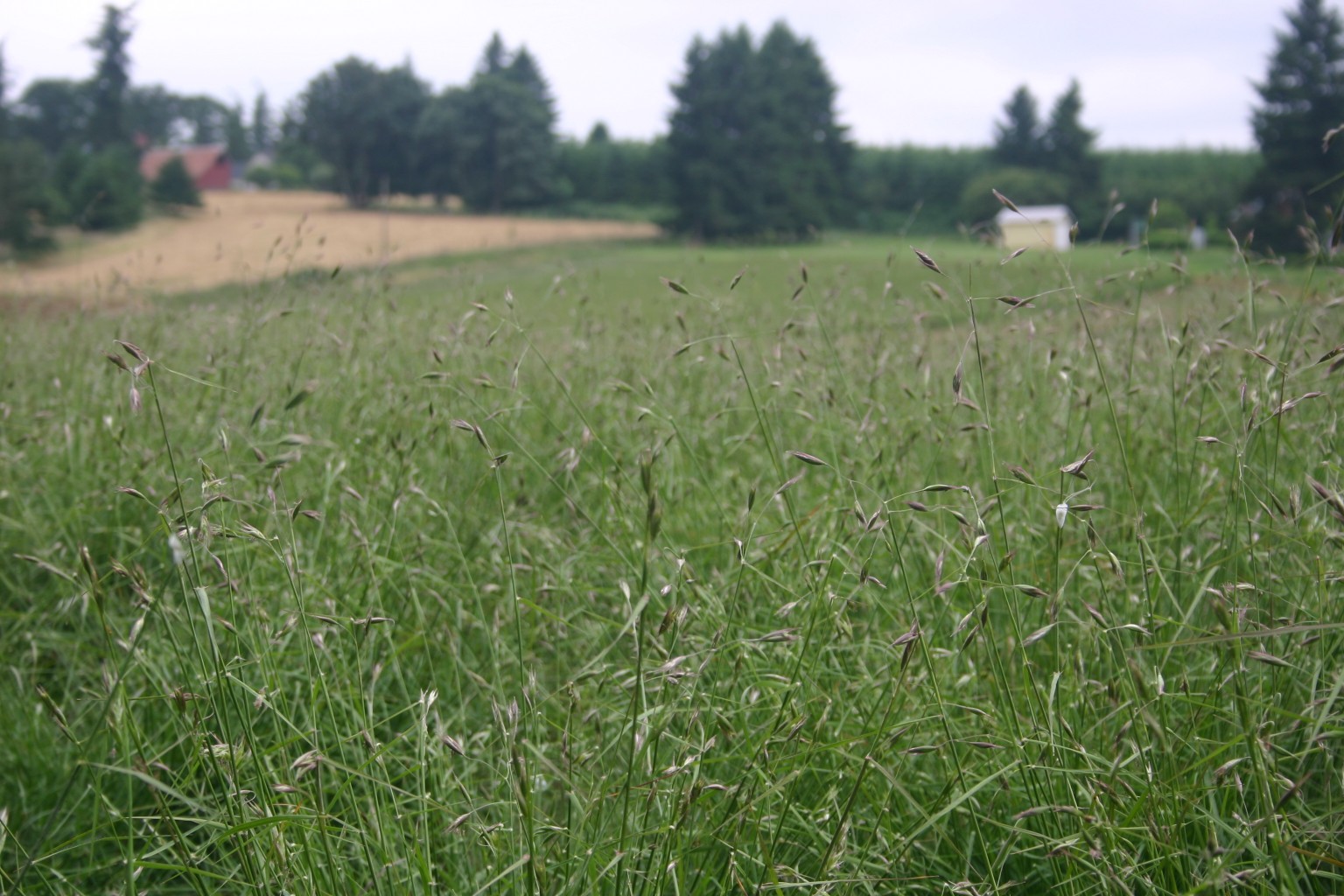
Oak savannas were once a prominent part of the Willamette Valley landscape. This diverse mix is designed for oak savanna restoration, native prairie plantings, naturalized areas, wildlife habitat, pollinator habitat, and restoration of open field and woodland-edge environments.
The combination of native grasses and flowering species provides both long-term structure and seasonal color. Many of the perennial grasses and wildflowers can persist for years once established, while annual species can provide earlier-season color and may reseed naturally when conditions are favorable.
The mix contains species with different growth habits, heights, bloom periods, and establishment rates. As a result, the planting will naturally develop and change over time rather than forming a uniform stand.
Fall Planting
Fall is an excellent planting season for this mix in the Pacific Northwest.
For Western Oregon and the Willamette Valley, fall planting can generally begin once the heat of summer has subsided and temperatures have cooled.
September and early fall can be an excellent time to plant when temperatures have cooled and adequate moisture is available. Some species may germinate and establish young plants before winter, allowing them to develop roots and foliage before colder weather arrives.
If temperatures remain warm and dry, it is better to wait until conditions have cooled. Later fall planting is also an excellent option and allows seed to experience natural winter moisture and temperatures before germinating when conditions become favorable in spring.
The ideal timing will vary from year to year and by location.
For general seedbed preparation, seeding, and watering information, please see our Planting Tips page.
Spring Planting
Spring planting is also an option when fall planting is not practical.
In the Pacific Northwest, March and April can provide a good spring planting window, depending on local temperatures, soil conditions, and moisture.
As a practical guide, plant once the soil is workable and beginning to warm. Spring-planted seed should have adequate moisture during germination and early establishment.
For general planting instructions, please see our Planting Tips page.
Establishment & Long-Term Growth
Native oak-savanna and prairie plantings require patience. Different species in this mix germinate and grow at different rates, so the planting may look uneven during the first season.
Many perennial grasses and wildflowers will devote their early growth to developing roots and establishing the plant before reaching their full size and flowering potential. Once established, these plants can provide a long-lasting component of the planting.
Annual species may flower earlier and can reseed naturally when allowed to mature and produce seed.
Over time, the species best suited to your particular site will generally become the most established. This natural variation is an important part of a diverse native planting.
Site Selection
This mix is best suited to open, sunny upland sites with well-drained soil and is particularly appropriate for prairie, oak-savanna, and woodland-edge environments.
Good site preparation is important when establishing a native planting. Reducing competition from existing grasses and weeds before seeding will give young native seedlings a much better opportunity to establish.
For detailed recommendations on site preparation and planting, please see our Planting Tips page.
Larger Quantities
For quantities larger than those currently listed for sale, please contact us for availability and pricing.
Seeding Rates
Broadcast seeding rate: 20–25 pounds per acre
Seed drill rate: 10 pounds per acre
| Purchasing Options | Price | Quantity | |
|---|---|---|---|
| Small Packet | $2.50 | ||
Covers approximately 5 square feet. |
|||
| 1/8 Pound | $12.00 | ||
Covers approximately 225 square feet broadcasting |
|||
| 1/8 Pound Shaker | $14.00 | ||
Covers approximately 225 square feet broadcasting |
|||
| 1 Pound | $66.00 | ||
Covers approximately 1,600 square feet broadcasting |
|||
| 3 Pound | $117.00 | ||
Covers approximately 4,800 square feet broadcasting |
|||
| 5 Pound | $195.00 | ||
Covers approximately 8,000 square feet broadcasting |
|||
| Product Type | Flower Mix, Native Flower, Native Grass, Native Grass Mix |
|---|---|
| Cycle | Perennial |
| Color | Blue, Green, Orange, Pink, Purple, White, Yellow |
| Height | 8-48" |
| Origin | NW Native species |
| Planting Season | Early Spring, Fall |
| Seeding Rate (lb./acre) | 10 |
| Seeds Per Pound | 576,000 |