





Northwest Woodland Economy Mix
$2.50 – $150.00Price range: $2.50 through $150.00
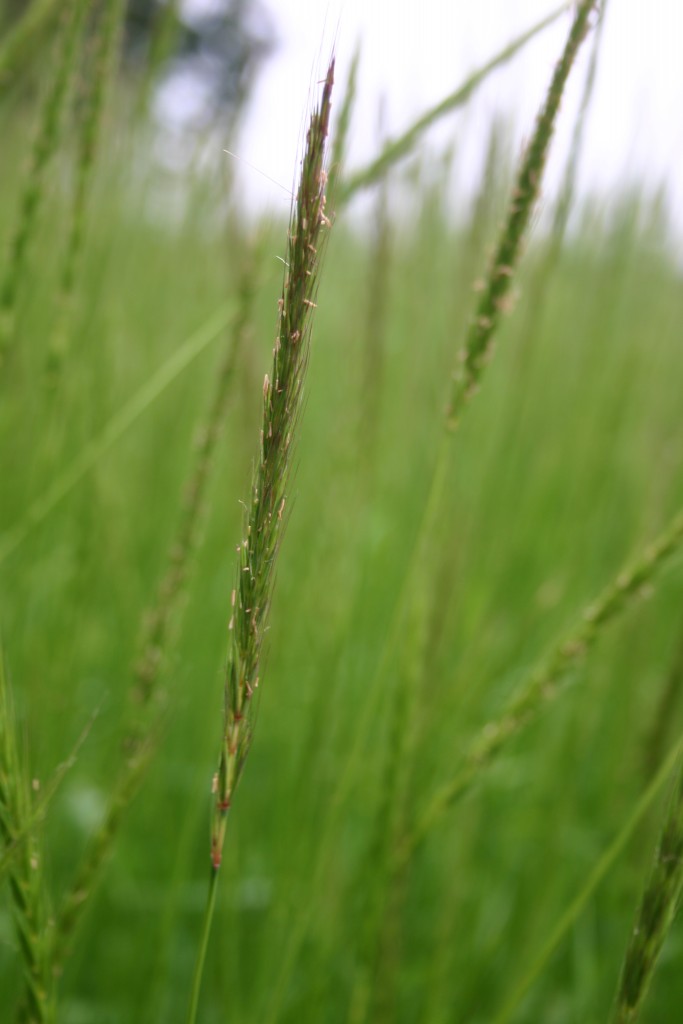
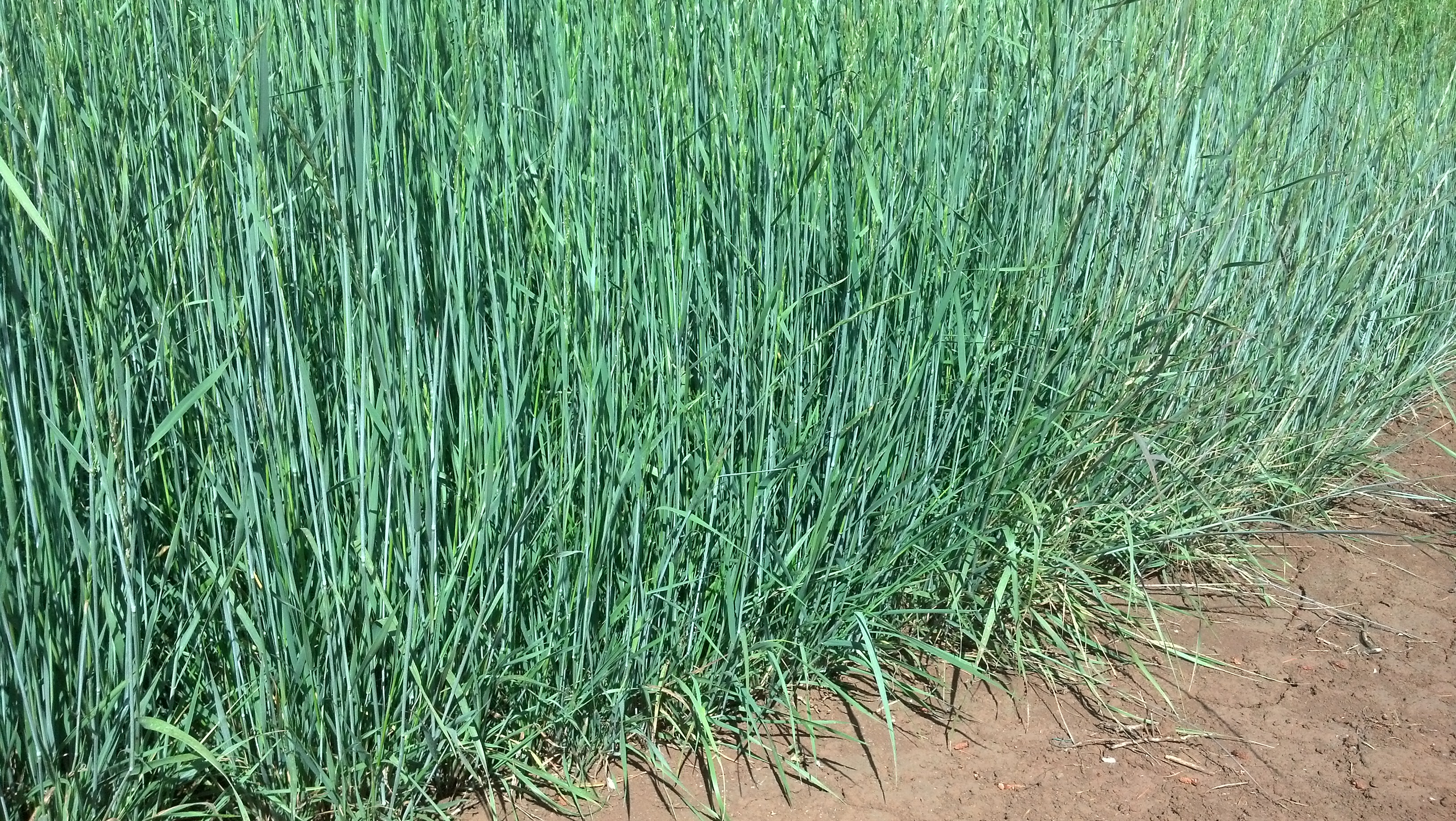
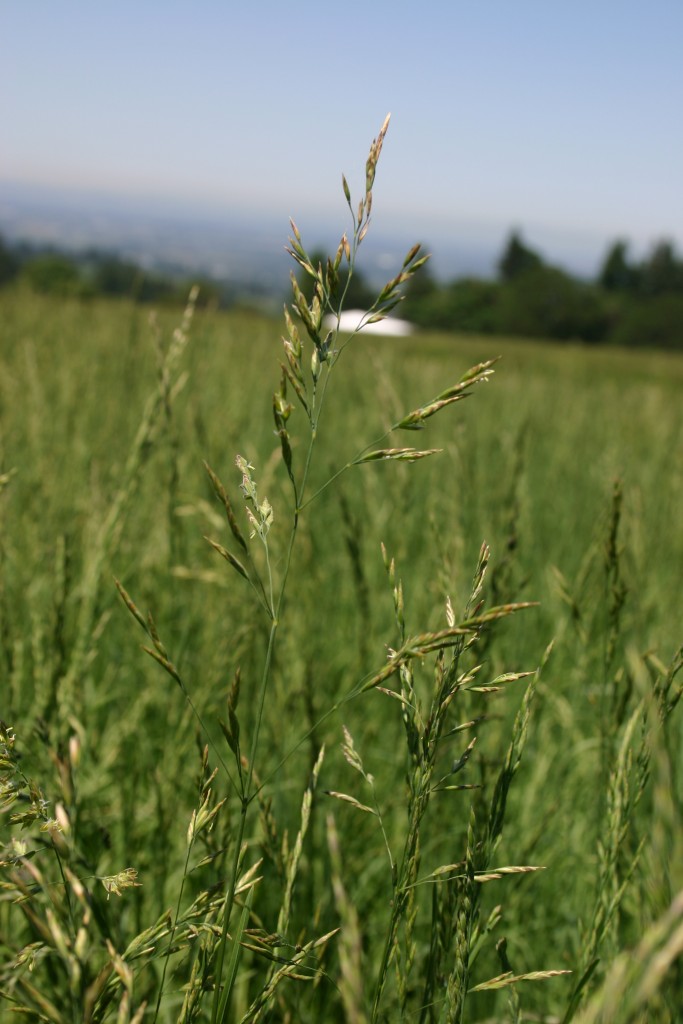
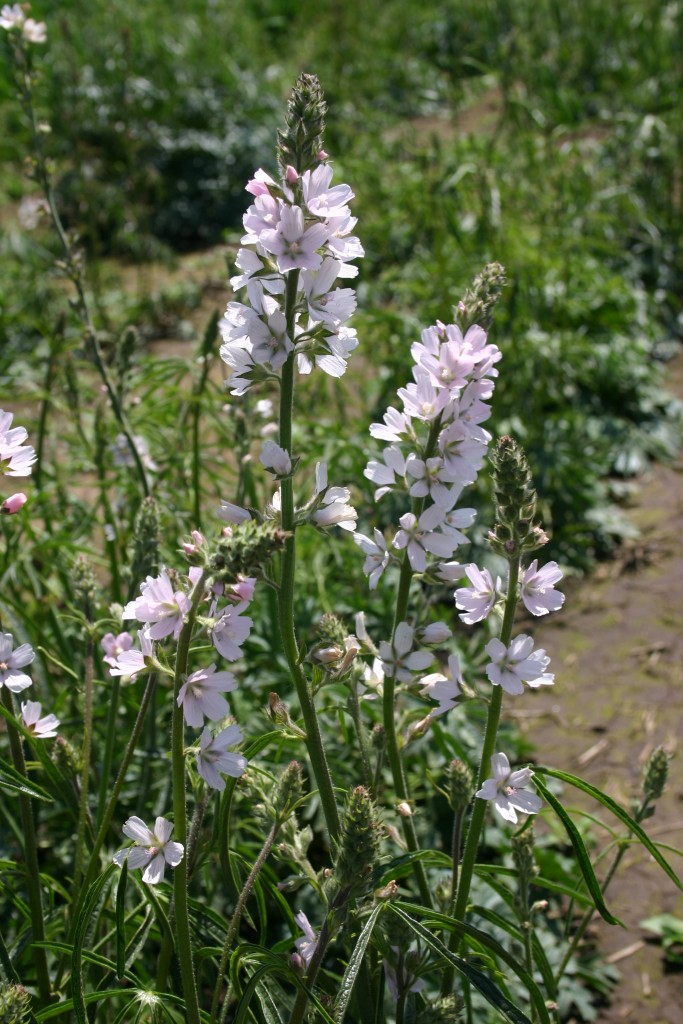
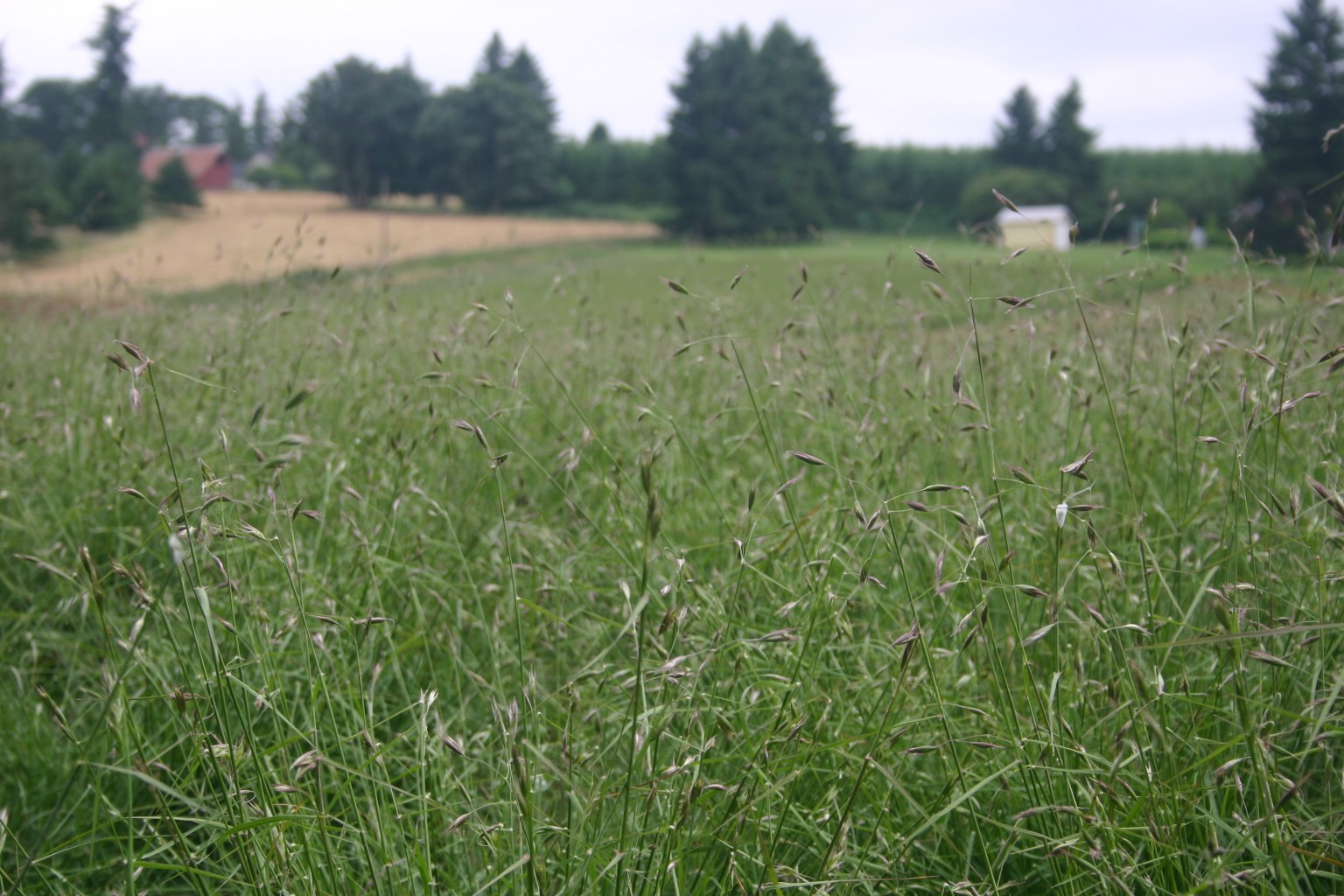
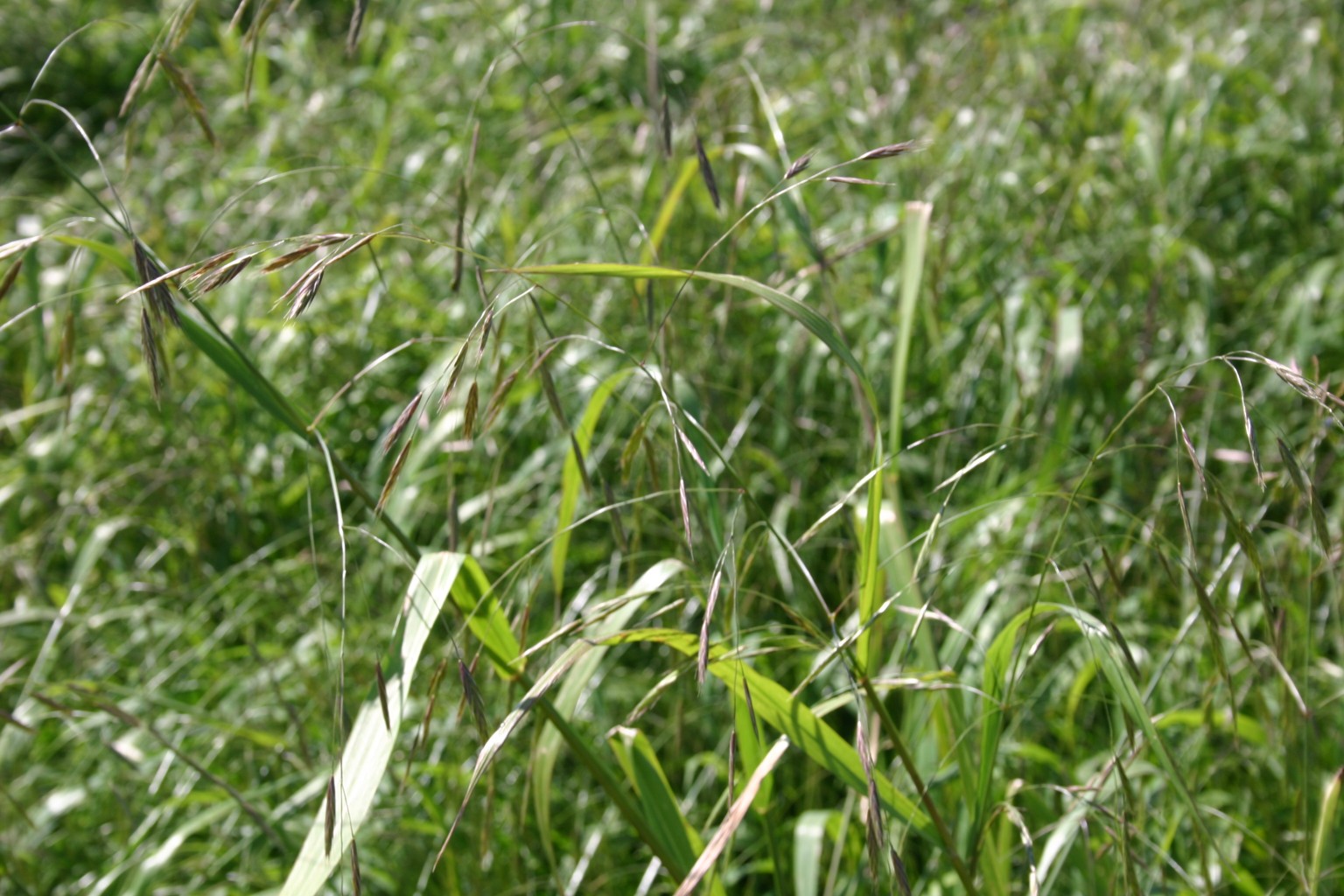
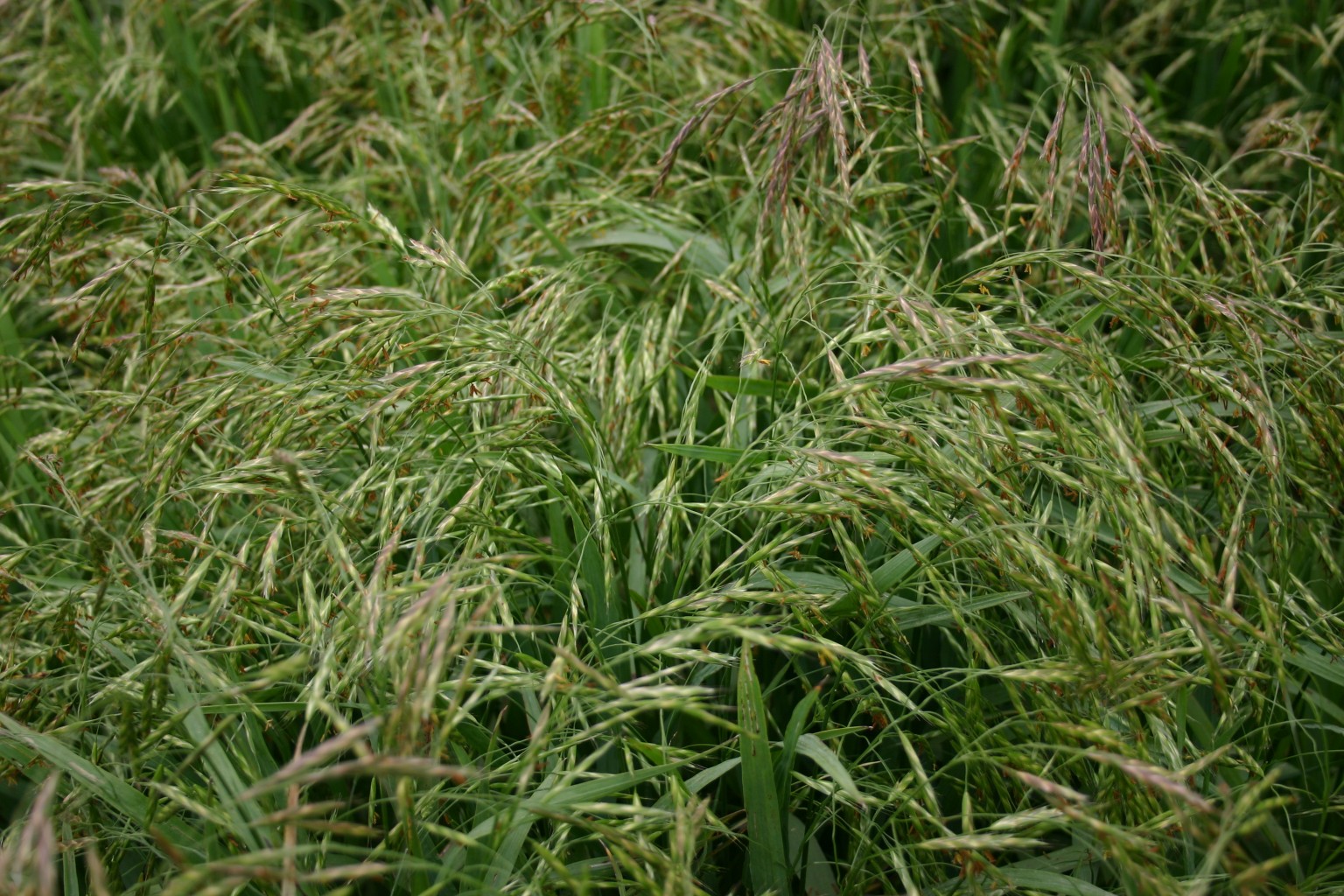
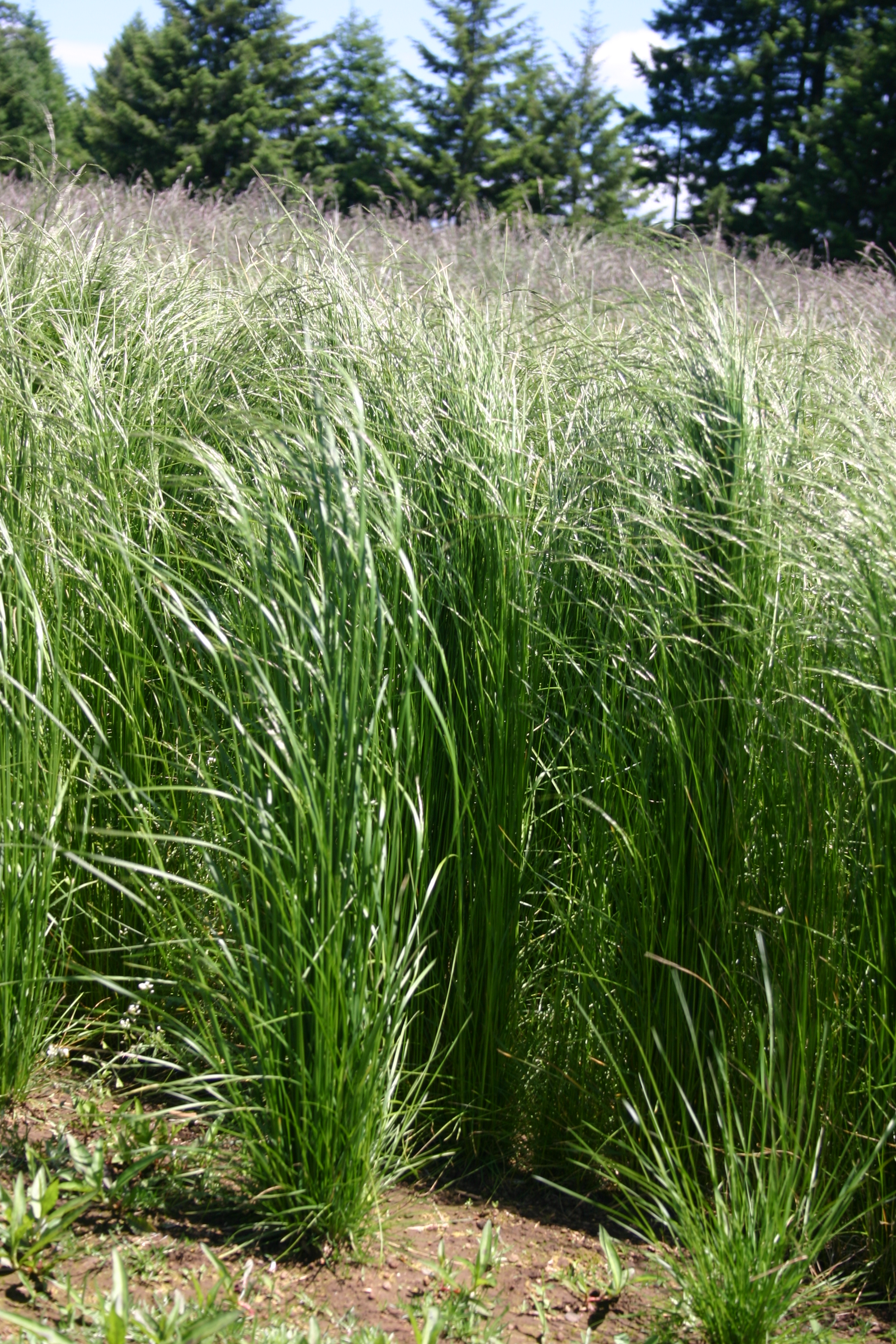
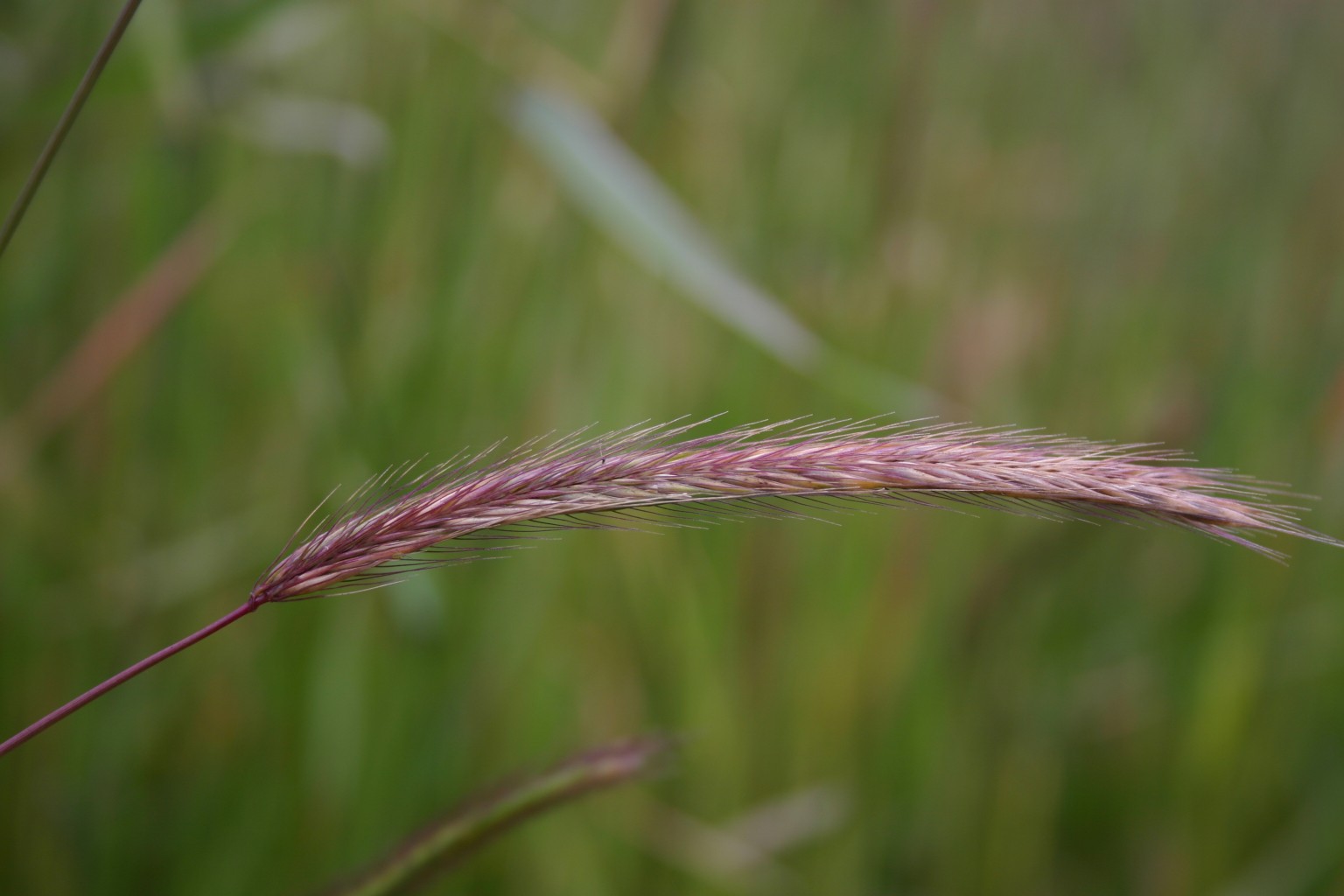
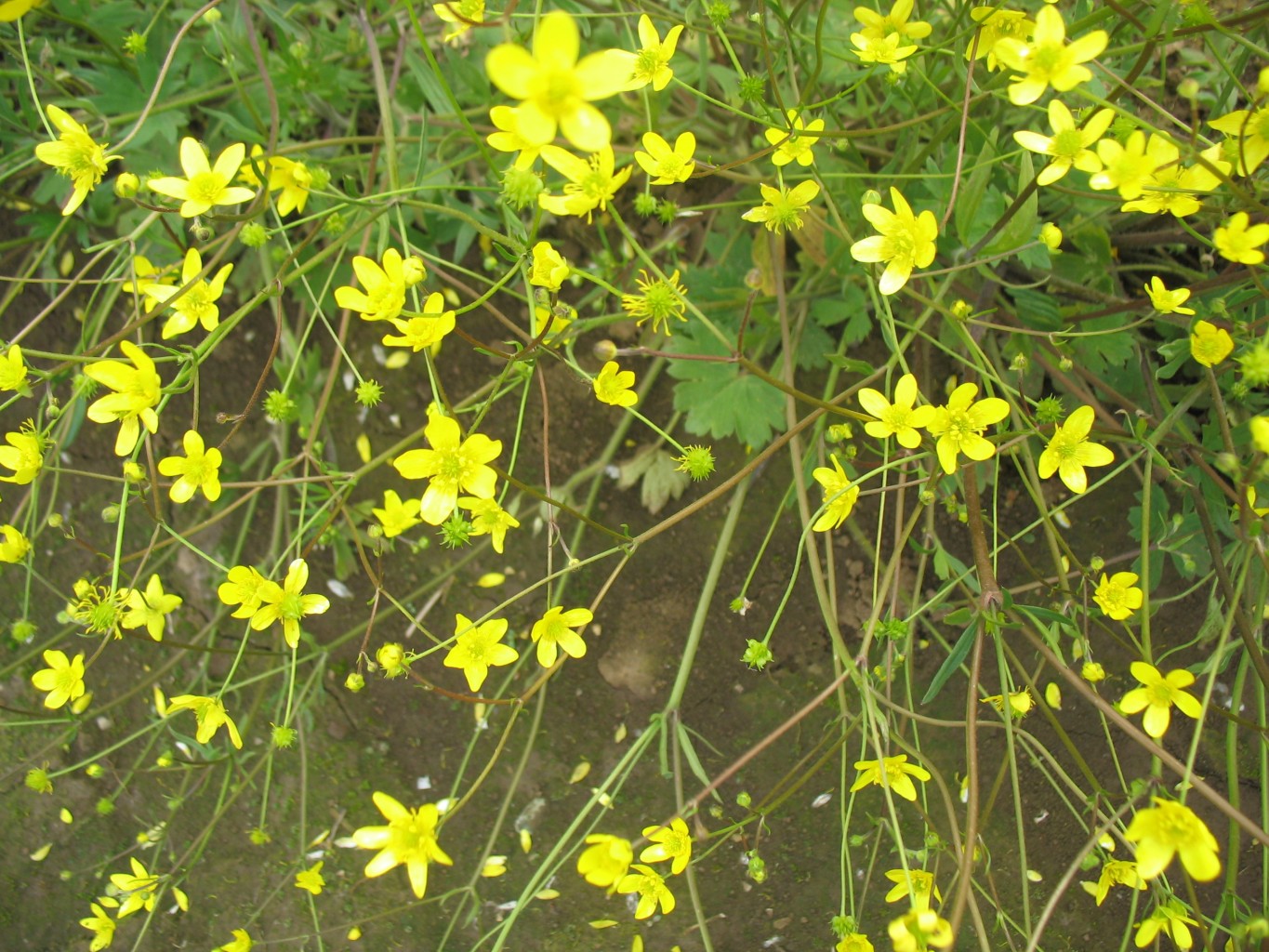
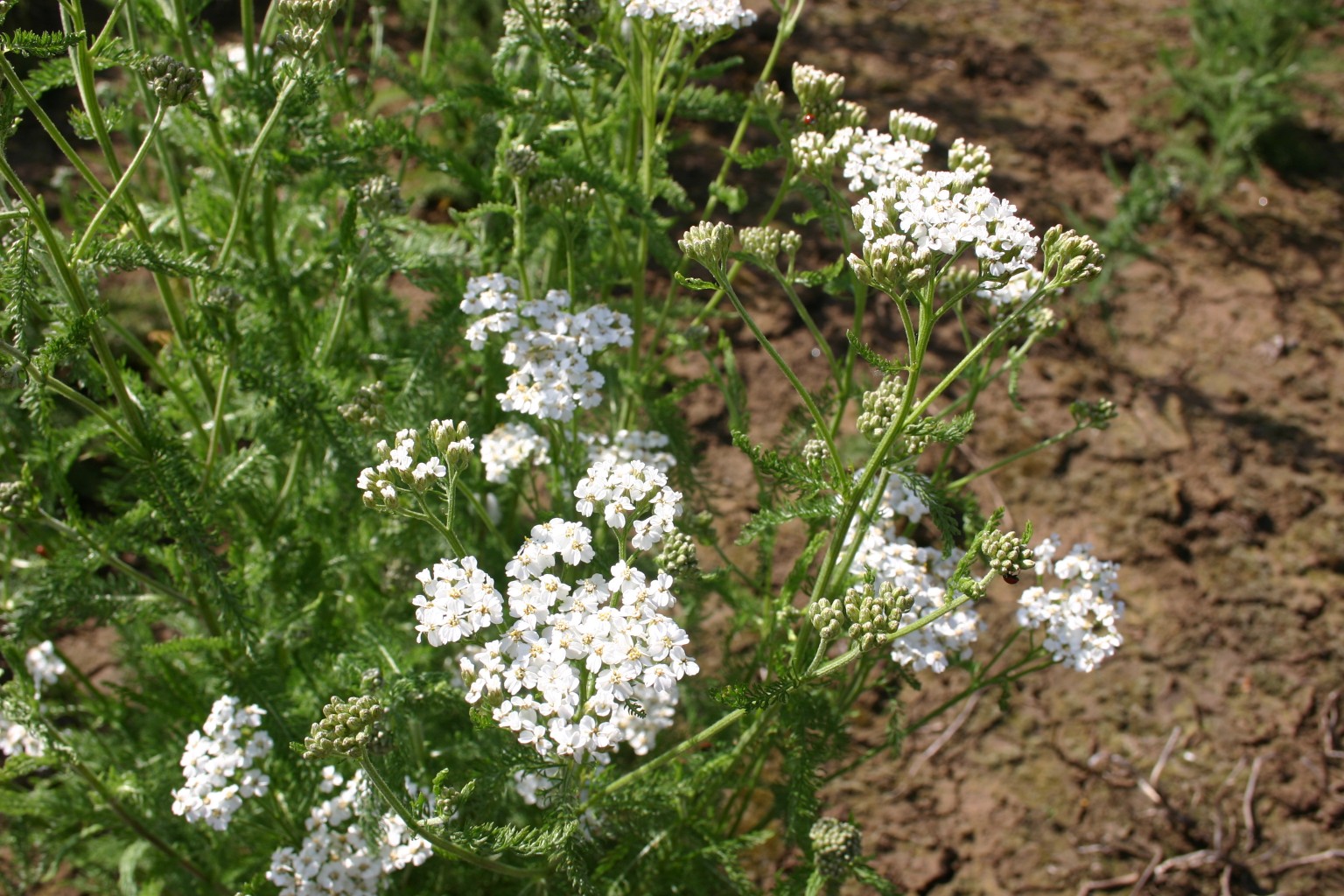
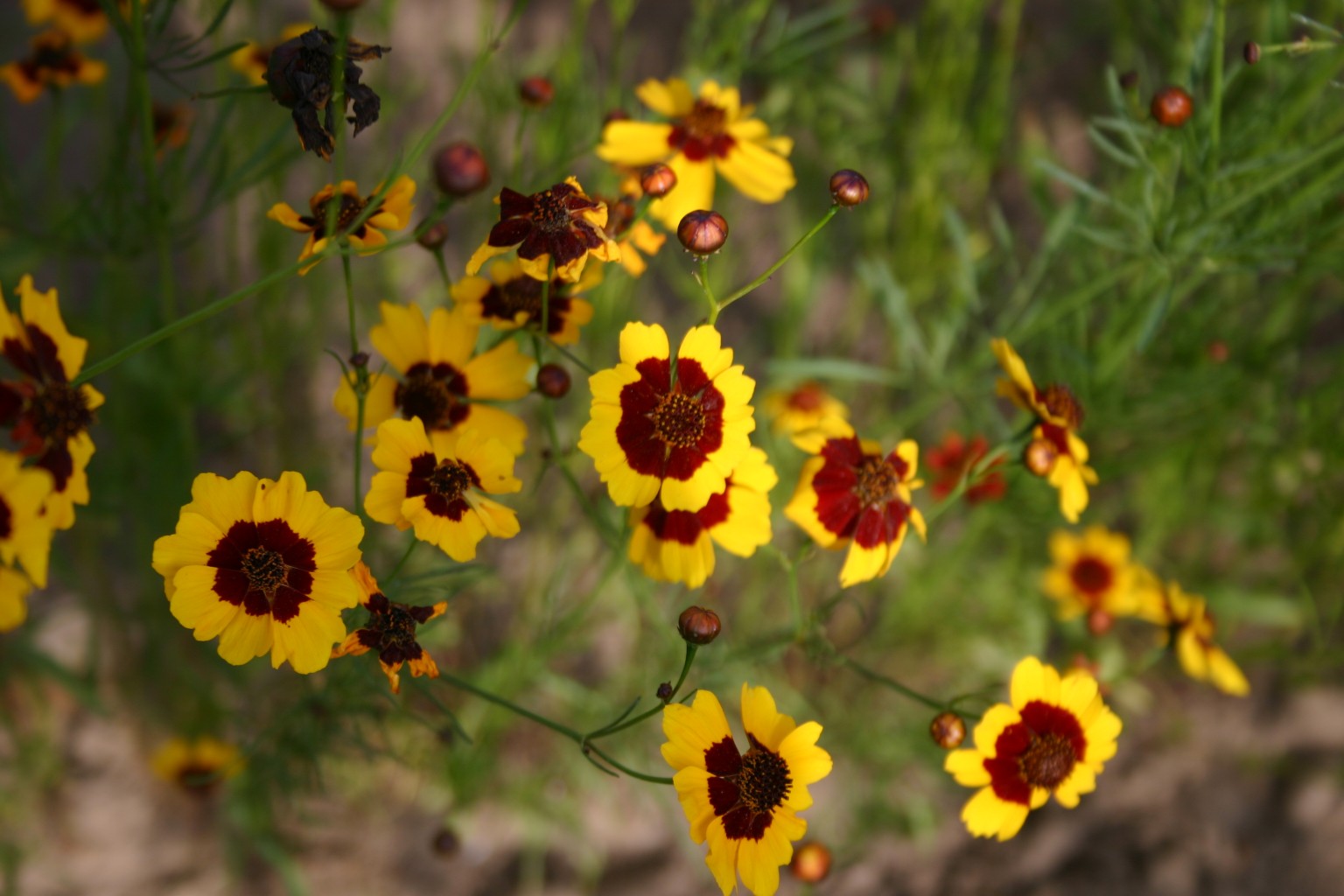
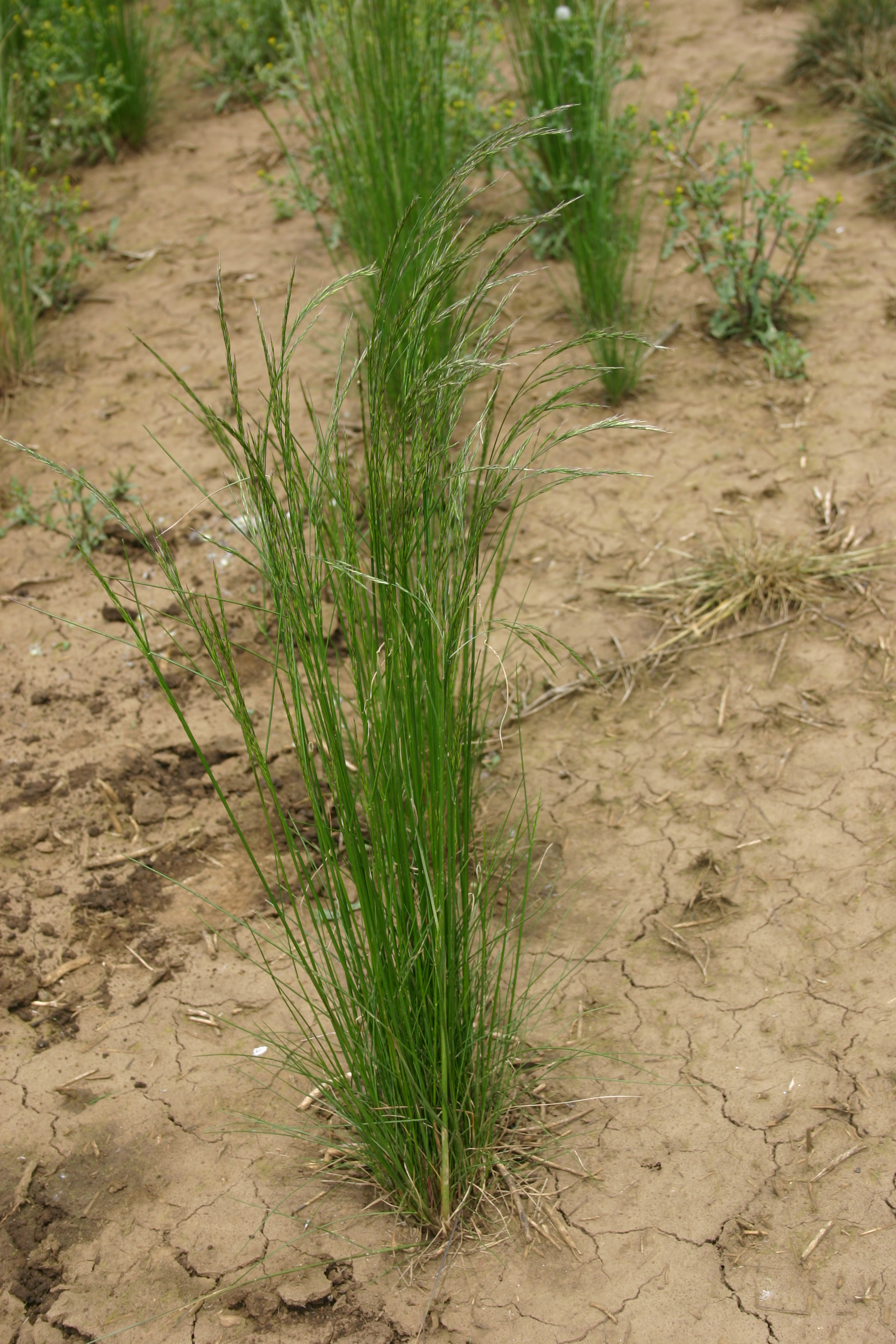
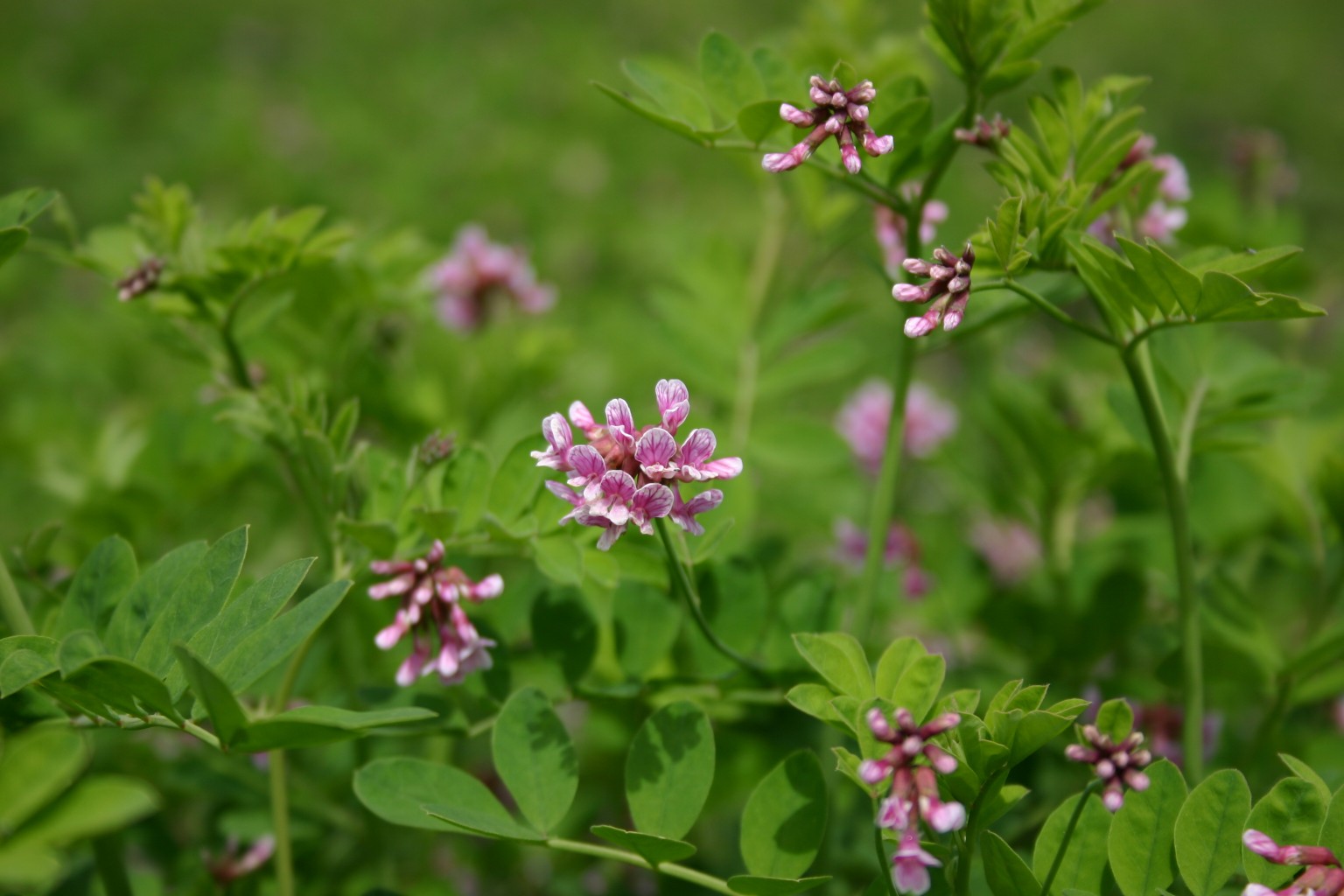
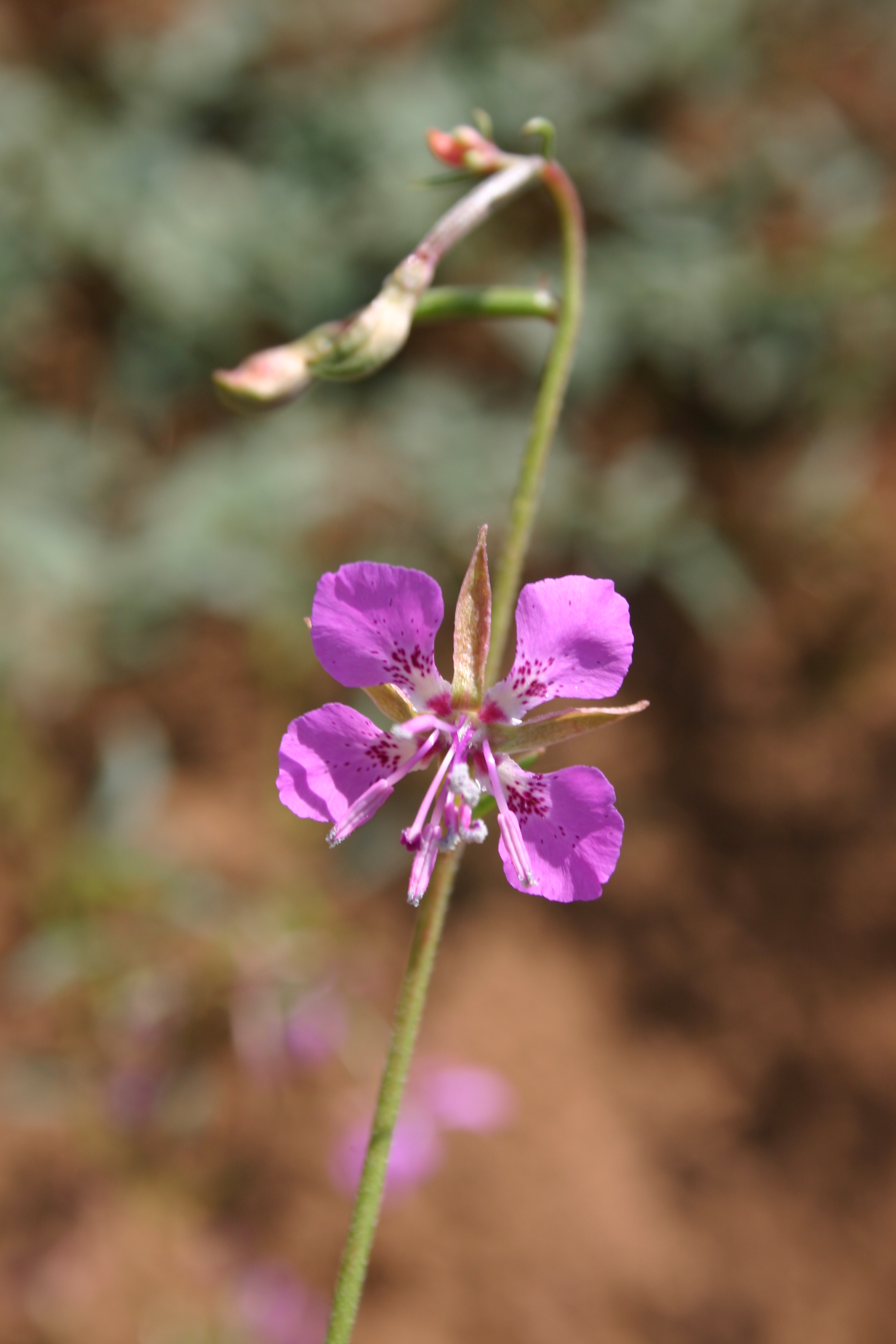
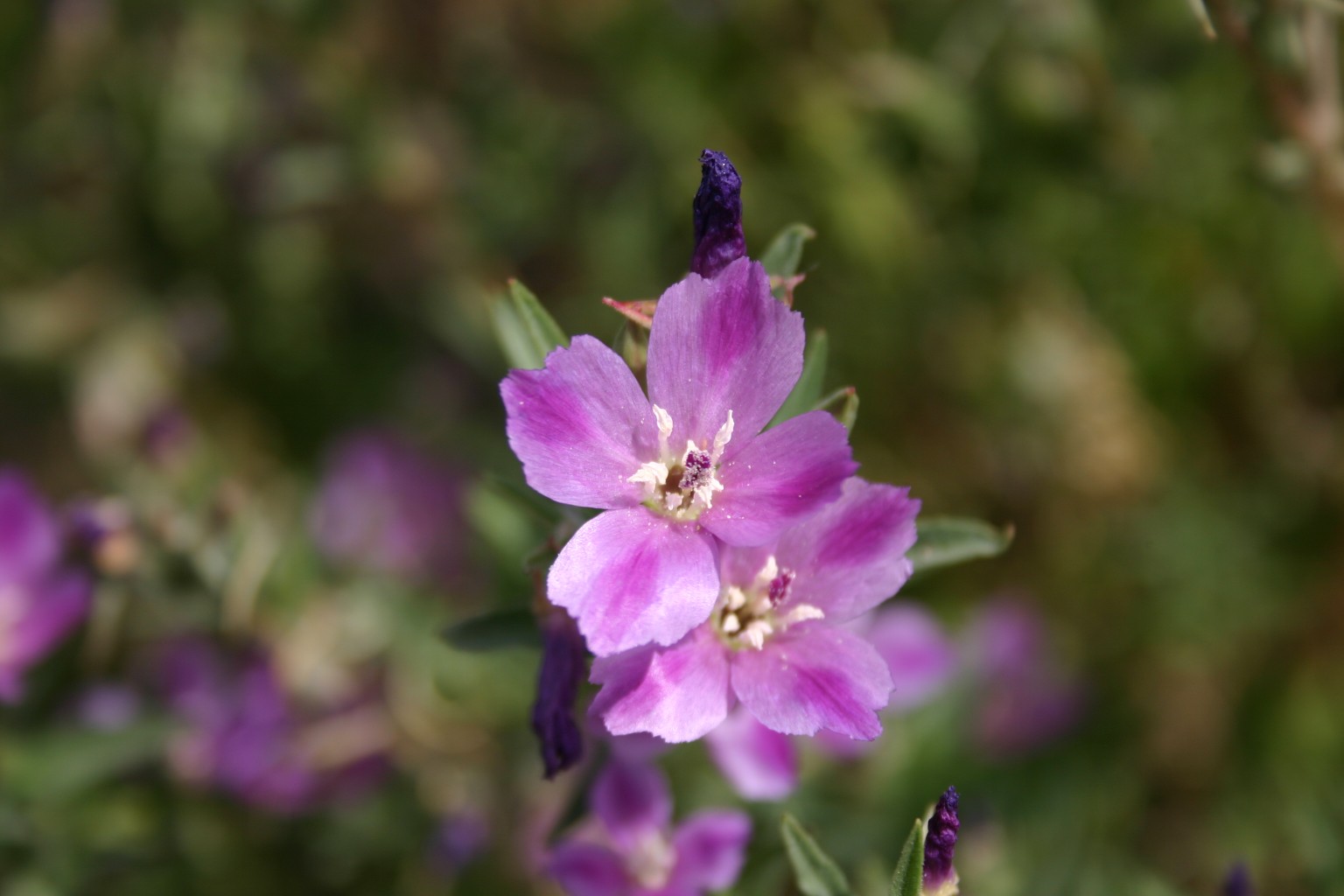
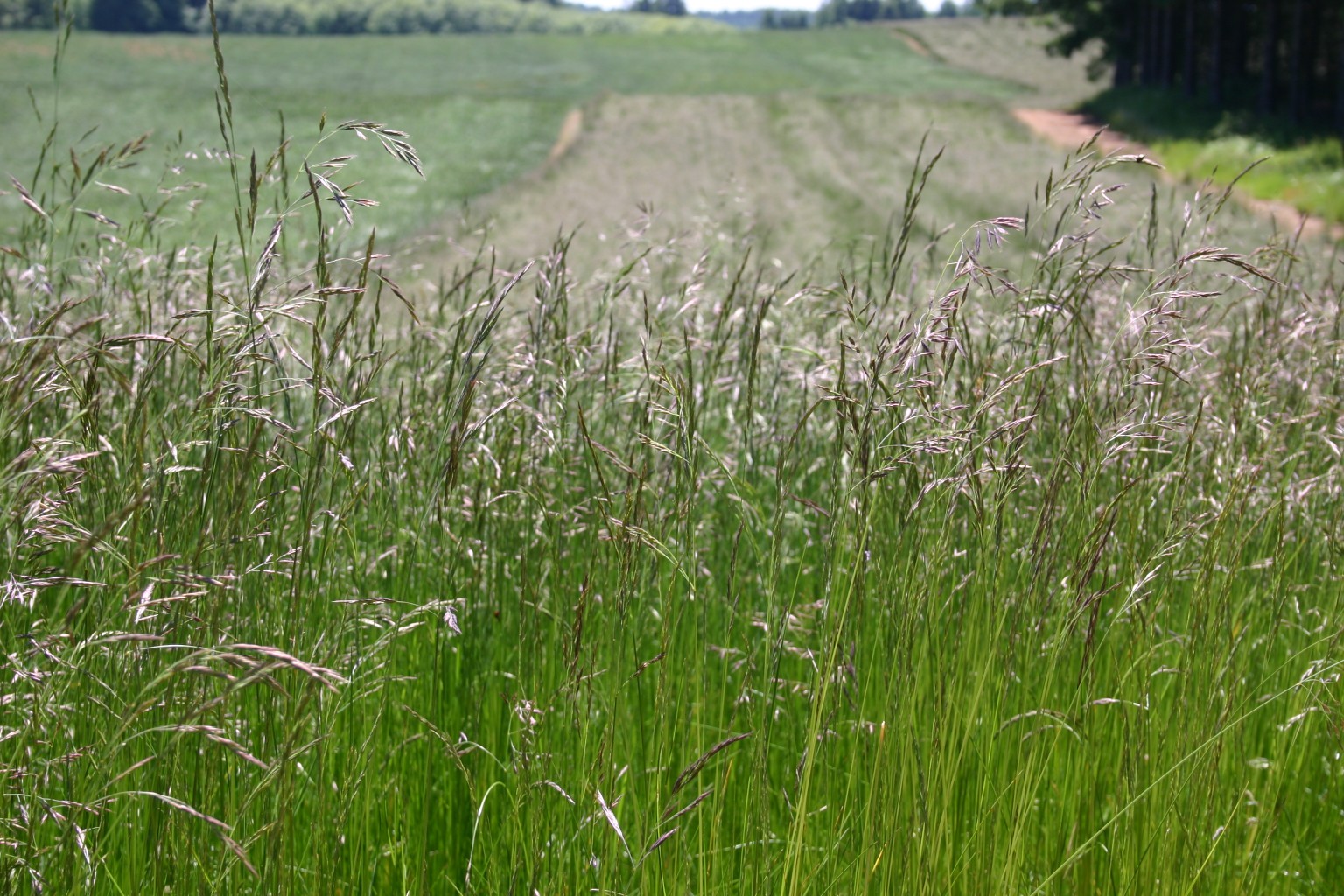
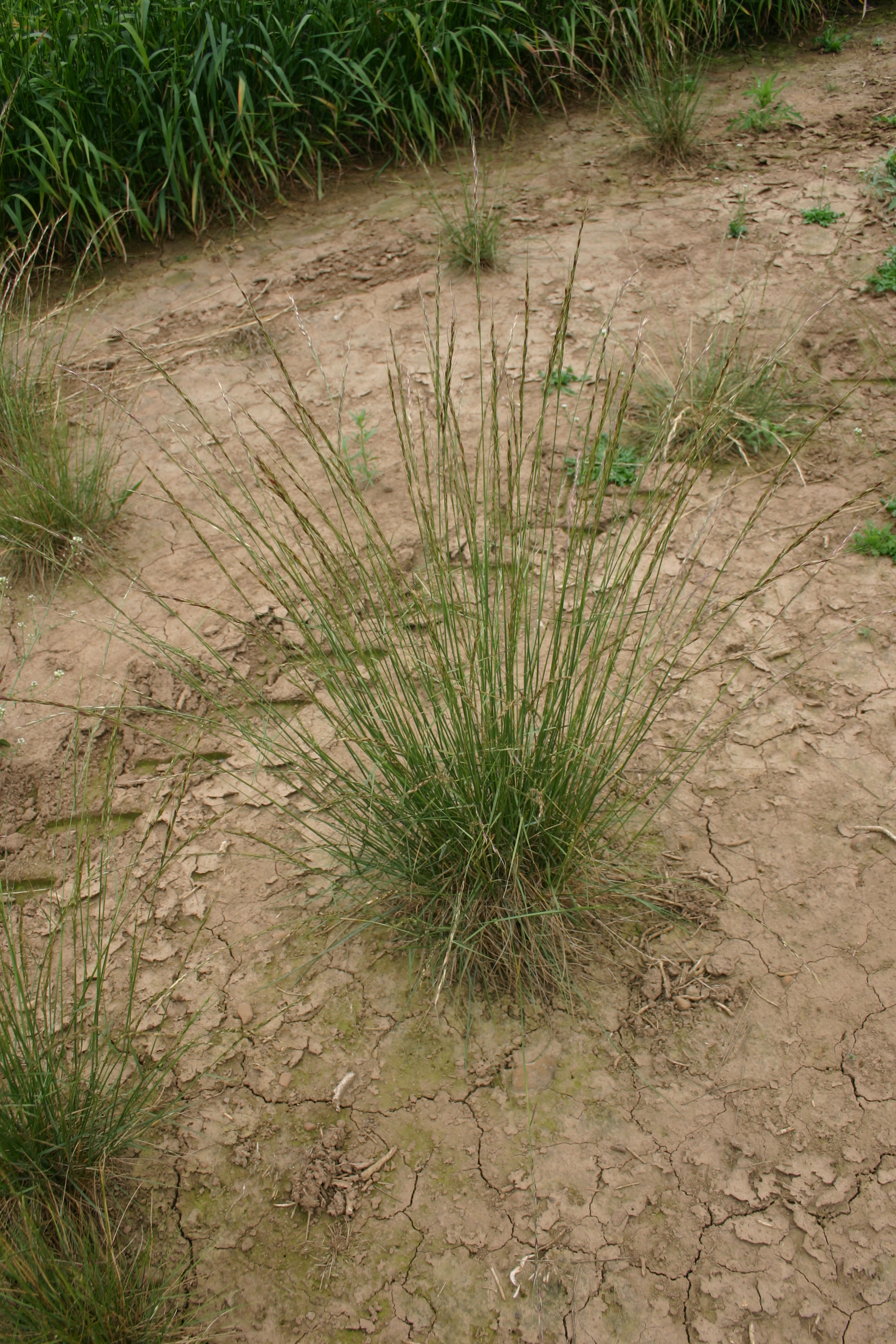
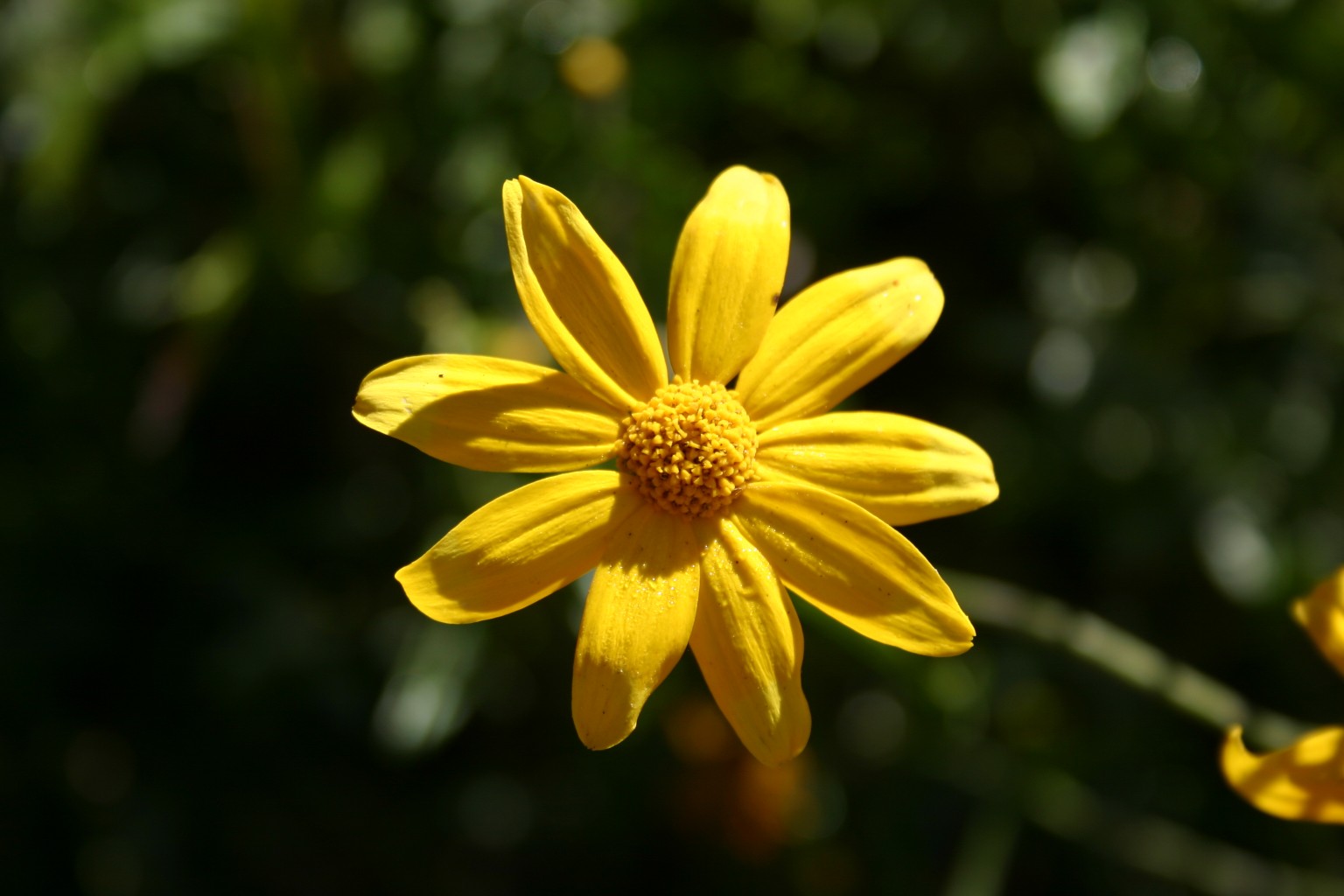
The Northwest Woodland Economy Mix consists of some non-native grasses and both native forbs and grasses, that can be found beneath the canopies of the expansive Coniferous forests, that blanket much of the Northwest. These plants are acclimated to shaded conditions but can also be found along the borders of meadows and clearings. This mix will provide growers with a range of appropriate species to plant in locations exposed to more shade, where the sustenance of other plants may have already failed. *Note: This mix also contains some non-native, turf grass species (Chewing’s Fescue and Hard Fescue) for quicker establishment purposes.
On a site of bare and loose soil, that will provide optimal seed-to-soil contact, a broadcast seeding rate of 16 lb./acre may be used. If very little site preparation has been done (i.e. only scratching the surface of the soil and existing vegetation is present), then use the doubled rate of 30 lb./acre.
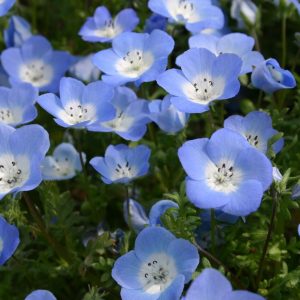
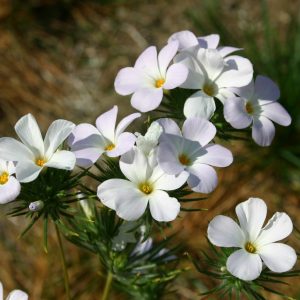
Ingredients: Blue Wildrye, Hairgrass – Tufted, Wheatgrass – Slender, Bluegrass – Pine, Rose Checker Mallow, Hollyhock – Tall Wild, Oatgrass – California, Brome – – California, Hairgrass – Slender, Barley – Meadow, Globe – Gilia, Buttercup – Western, Yarrow – Western, Baby Blue Eyes, Coreopsis – Plains Tall, Fescue – Western, Sea Blush, Vetch – Big Deer, Clarkia – Diamond, Clarkia – Winecup, Buttercup – Straitbeak, Godetia – Farewell to Spring, Fescue – Native Red, Oregon Sunshine, Fescue – Chewing’s, Fescue – Hard
*Note: Ingredients may vary depending on seed availability.
*Wholesale pricing is available on this seed. If interested, please contact us for more information.
The broadcast rate for seeding is 16-30 pounds per acre.
The seed drill rate for seeding in rows is 8 pounds per acre.
| Purchasing Options | Price | Quantity | |
|---|---|---|---|
| Small Packet | $2.50 | ||
Covers approximately 10 square feet. |
|||
| 1/8 Pound | $12.00 | ||
Covers approximately 225 square feet broadcasting |
|||
| 1/8 Pound Shaker | $14.00 | ||
Covers approximately 225 square feet broadcasting |
|||
| 1 Pound | $51.00 | ||
Covers approximately 1,440 square feet broadcasting |
|||
| 5 Pound | $150.00 | ||
Covers approximately 7,200 square feet broadcasting |
|||
| Product Type | Flower Mix, Native Flower, Native Grass, Native Grass Mix |
|---|---|
| Cycle | Perennial |
| Color | Blue, Green, Orange, Pink, Purple, Red, White, Yellow |
| Origin | NW Native species, Introduced species |
| Seeding Rate (lb./acre) | 15 |
| Seeds Per Pound | 702,000 |